
Dark vs. Light Pool Finishes: How Color Choice Impacts Style, Water Temperature, and Efficiency
Quick Facts
✔ Pool finish color affects looks, water temperature, and upkeep.
✔ Dark finishes absorb sunlight and can help warm water.
✔ Light finishes reflect sunlight and can help keep water cooler.
✔ Dark hides some debris; light makes dirt and algae easier to see.
✔ Choose based on climate, style goals, and maintenance preference.
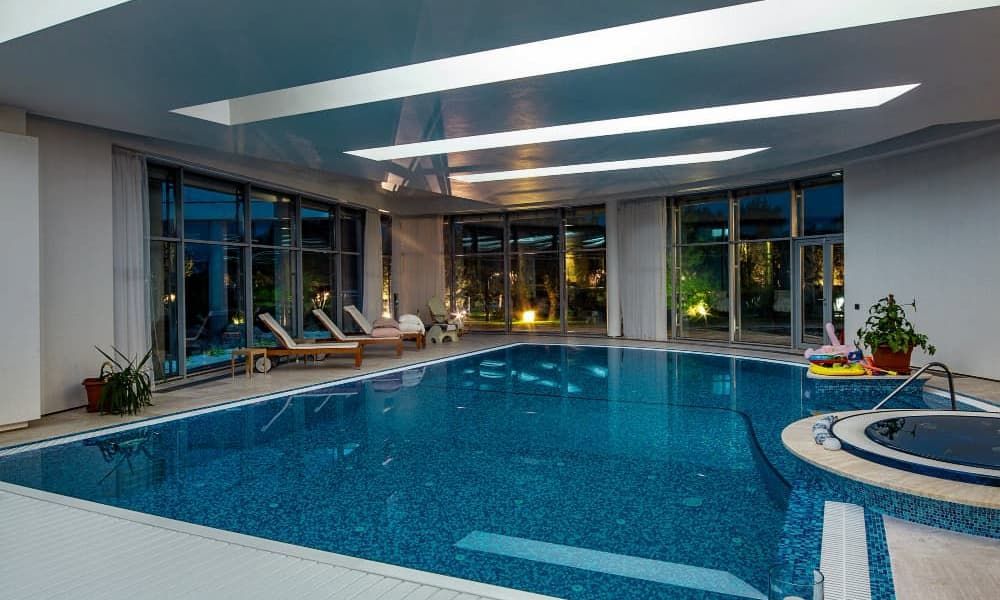
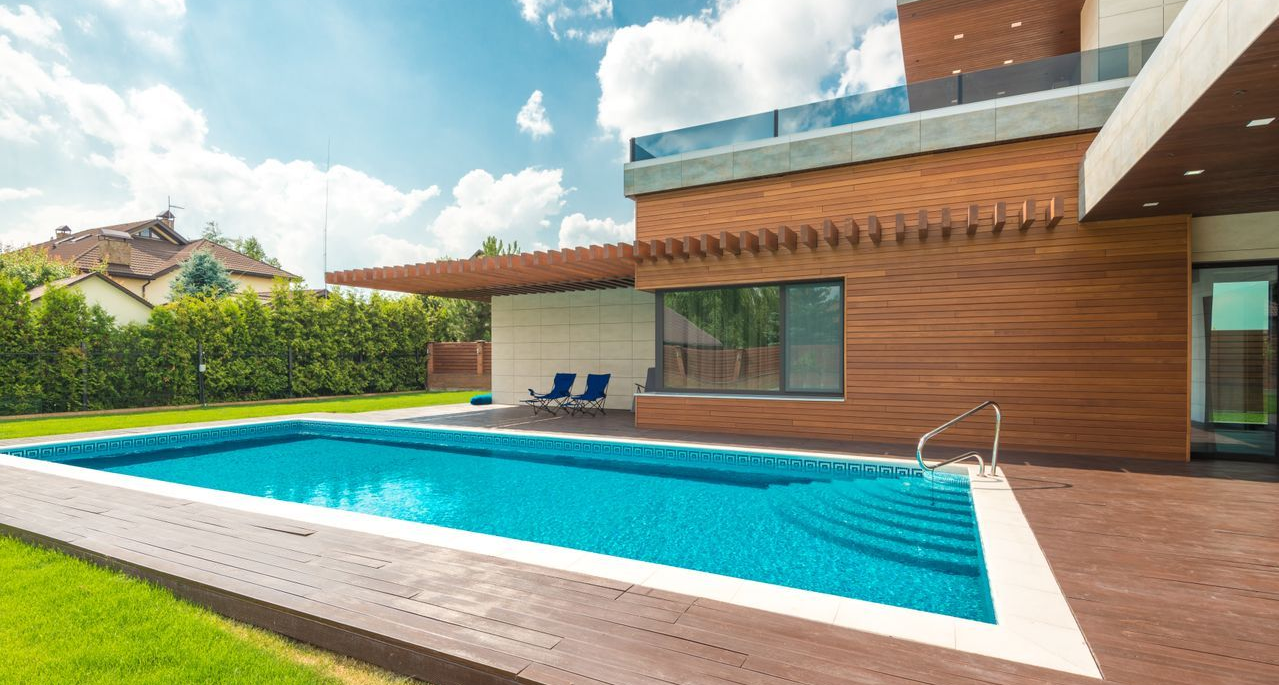
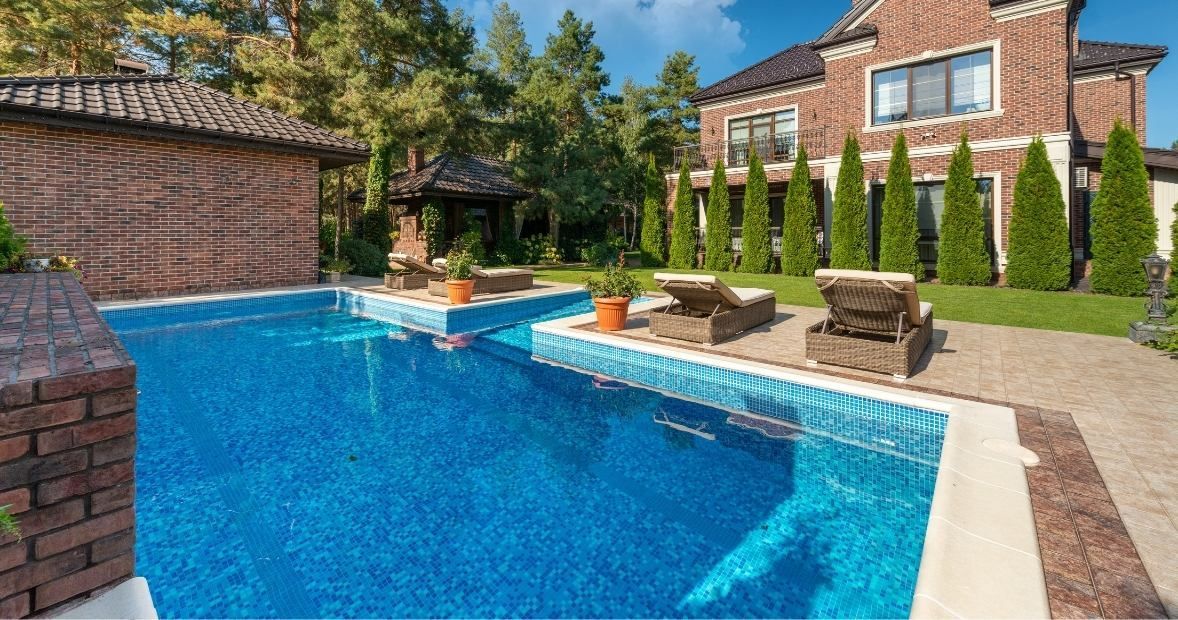
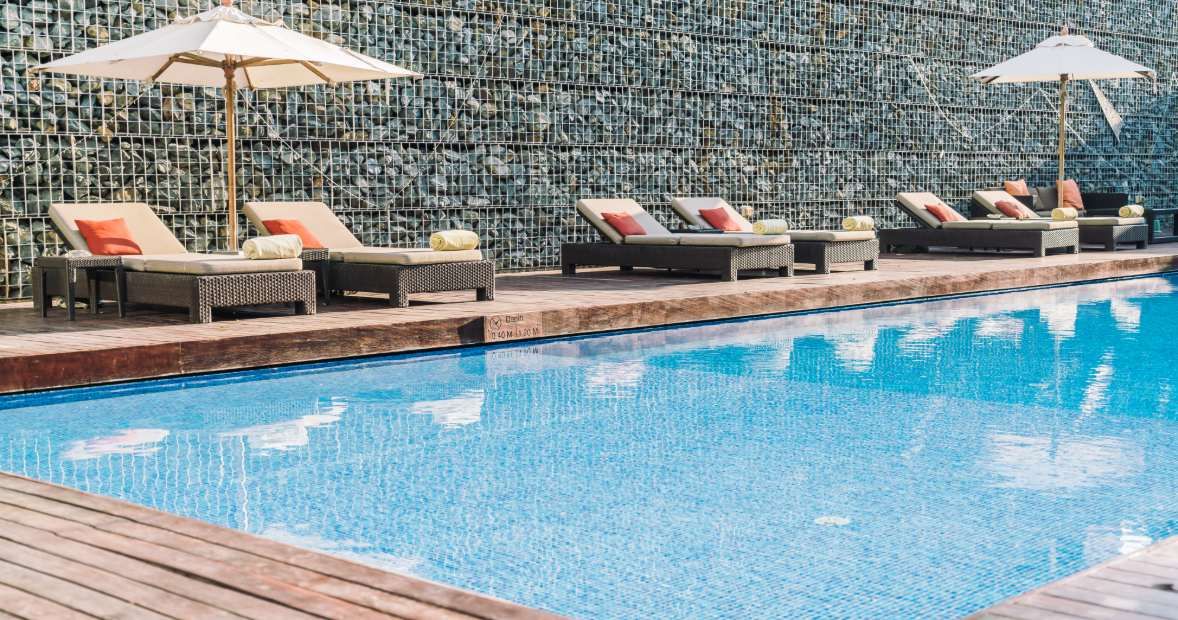
Choosing between a dark or light pool finish is not just about looks. Color affects water appearance, warmth, energy efficiency, and how noticeable maintenance is.
Dark finishes like navy or charcoal absorb more sunlight to help warm the water and support better heat retention, which can be helpful in cooler climates like Connecticut. Light finishes like white or sky blue reflect sunlight, keeping water cooler and creating a bright, classic pool look.
If you’re building or renovating a pool in Danbury, CT, knowing how each option performs can help you choose a finish that fits your home and how you plan to use your pool.
What Is a Pool Finish and Why Does Color Matter?
A pool finish is the final interior surface applied to a swimming pool shell. It is what you see and feel when you step into the water. Common types include plaster, quartz blends, and pebble or aggregate finishes. Pigment is added to these materials to create different shades, from bright white to deep charcoal.
Pool finish color matters because it affects more than appearance. It influences:
- How the water reflects light
- How much solar heat the surface absorbs
- How clearly you can see the pool floor
- How dirt, debris, and mineral buildup appear
Dark vs. Light Pool Finishes: Key Differences Homeowners Should Know
Choosing between dark and light pool finishes involves more than visual preference. The color of your pool finish influences how the water looks, how warm it becomes under the sun, and how efficiently the pool retains heat. It also affects maintenance visibility and how well the pool surface hides debris over time.
✔ Style and Aesthetics
Dark Pool Finishes
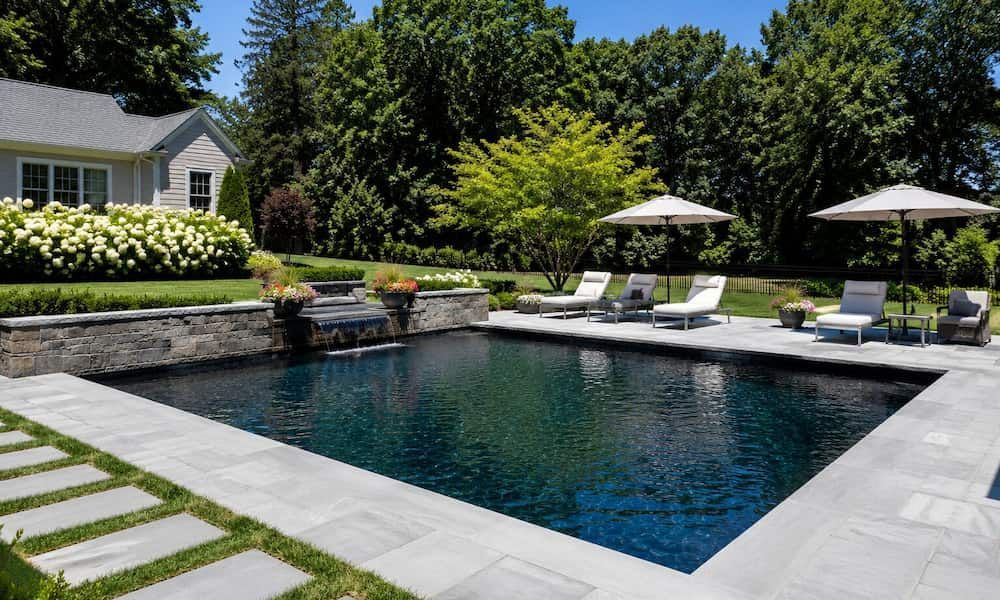
Dark pool finishes deliver a sleek, modern look that can make the water feel richer and more dramatic. They are often chosen for contemporary outdoor designs and can visually elevate the entire backyard.
- Creates a dramatic, mirror-like surface that reflects the sky and surroundings
- Feels modern and high-end, especially with natural stone or darker hardscapes
- Often gives the illusion of deeper water due to light absorption
- Blends well with moody, natural, or minimalist landscape designs
Light Pool Finishes
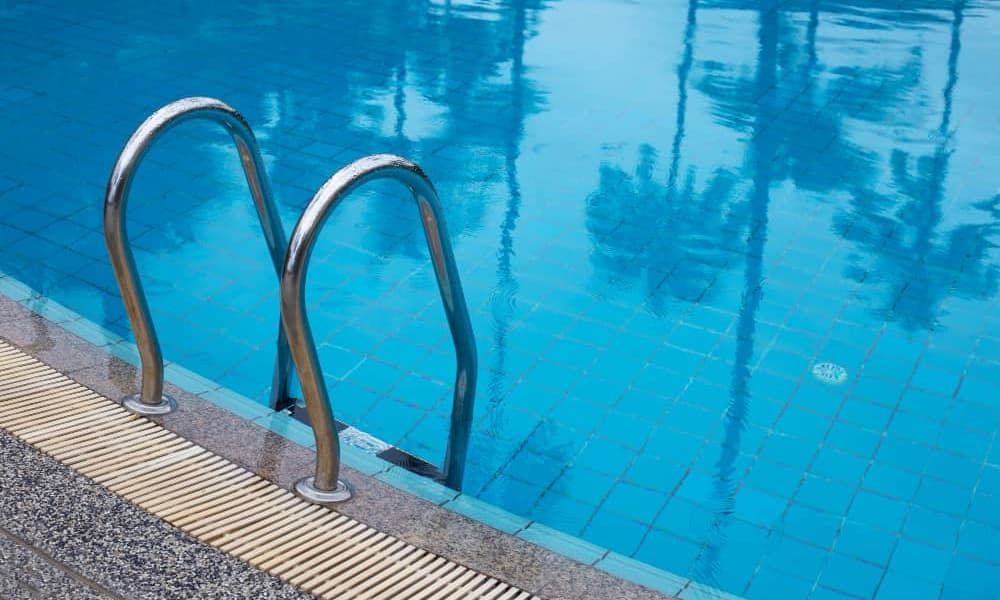
Light pool finishes create the bright, classic pool look many homeowners expect. They reflect sunlight, which helps the water appear clear, vibrant, and inviting throughout the day.
- Produces a bright blue, tropical or Caribbean-style water color
- Works well with traditional homes and airy backyard designs
- Makes the water look clearer and more transparent in sunlight
- Creates a crisp, refreshing visual that feels timeless
✔ Water Temperature
Dark Pool Finishes
Dark finishes absorb more solar energy, helping the water warm naturally. For homeowners in cooler climates, this can make swimming more comfortable earlier and later in the season.
- Absorbs sunlight, which can raise water temperature more than lighter finishes
- Helps warm the pool faster on sunny days
- Supports a longer swim season in cooler regions like Connecticut
- Can reduce how often a pool heater needs to run
Light Pool Finishes
Light finishes, such as a white color, reflect sunlight, which keeps the surface and water cooler. This can be ideal if you prefer a refreshing swim experience during the hottest part of summer.
- Reflects solar energy, helping limit heat buildup
- Keeps the water cooler and more comfortable during hot weather
- Often feels more refreshing during peak summer afternoons
- May require more heating support in cooler climates
✔ Efficiency and Heat Retention
Dark Pool Finishes
Because dark finishes absorb and retain heat, they can improve thermal efficiency, especially when paired with a pool cover and smart heating habits.
- Retains warmth longer after sunset compared to lighter finishes
- Supports passive solar heating that can lower heating demand
- Can improve overall energy efficiency in cooler climates
- Works well for homeowners aiming to manage heating costs
Light Pool Finishes
Light finishes are less focused on heat retention and more focused on keeping water temperature stable in hot sun. For some homeowners, comfort matters more than passive warming.
- Less heat absorption means less natural warming
- Helps prevent the pool from feeling overly warm in sustained sun
- Can be a better fit for very hot climates or full-sun backyards
- Typically relies more on a heater to extend the swim season
✔ Maintenance and Durability Differences
Dark Pool Finishes
Dark finishes can look cleaner between maintenance sessions because they hide everyday debris well. However, mineral deposits may stand out more, so balanced water chemistry is important.
- Hides dust, small debris, and leaves better than light finishes
- Can make the pool look cleaner between vacuuming
- May show calcium scale or mineral buildup more noticeably
- Potential fading can be more visible over time if the water chemistry is off
Light Pool Finishes
Light finishes make it easier to see what is happening in your pool, which helps homeowners stay ahead of cleaning and water quality issues. The tradeoff is that debris is more noticeable day to day.
- Makes dirt, debris, and algae easier to spot quickly
- Often encourages more proactive cleaning and chemical adjustments
- May require more frequent vacuuming since debris stands out
- Helps homeowners clearly see when maintenance is needed
Safety and Visibility Considerations
Before you decide on a finish color, it helps to think through how the pool will be used in real life, not just how it will look in photos. These practical considerations can affect day-to-day comfort in the water, especially during busy swim days or when lighting conditions change.
Underwater Visibility in Different Lighting Conditions
Sun angle, shadows from trees, and evening lighting can all change what you can see beneath the surface. Finish color influences how strongly the pool floor contrasts with steps, ledges, and objects in the water.
Perceived Depth and Swimmer Comfort
Water can look deeper or shallower depending on the finish color and the way it absorbs or reflects light. This can influence how comfortable kids, new swimmers, and guests feel when they first step in.
Step and Ledge Definition
Steps, benches, and tanning ledges should be easy to identify at a glance. The way finish color interacts with depth and shadow can make these features stand out more or blend in, so outlining and design choices matter.
After-Dark Use and Lighting Design
If you plan to swim at night or host evening gatherings, your lighting plan becomes more important. Some finishes benefit from brighter or more evenly distributed lighting to keep the pool easy to navigate after sunset.
Water Clarity Signals You Notice Quickly
Finish color affects what stands out visually when water conditions change. Some homeowners prefer a surface that makes it easier to notice early changes in clarity, while others prefer a look that stays visually consistent between cleanings.
How to Choose the Right Pool Finish Color
If you are weighing dark vs light pool finishes, use this step-by-step approach to narrow your decision.
Step 1: Evaluate Your Climate
In cooler climates like Connecticut, a dark finish can support natural heat absorption and help extend your swim season. In very hot regions, a light finish may keep water more comfortable during peak summer heat.
Step 2: Consider Heating Costs
If you plan to install a heater, think about long-term energy use. A dark pool finish can improve heating efficiency by retaining more solar warmth. While it will not eliminate heating costs, it can reduce how often your heater runs.
Step 3: Match Your Home’s Architecture
Modern homes with clean lines often pair well with dark finishes. Traditional or coastal style homes typically complement lighter finishes that create bright blue water. Look at your siding, roofing, and hardscape materials. Choose a finish that feels cohesive.
Step 4: Think About Maintenance Preferences
If you prefer not to see every leaf and speck of dirt, a dark finish may feel easier day to day. If you value being able to spot debris and algae quickly, a light finish may be more practical. There is no universally easier option. It depends on how you approach pool care.
Step 5: Visualize the Long Term
A pool’s finish lasts many years. Visit showrooms, view installed pools, and examine samples in natural sunlight. The color you love today should still feel right a decade from now.
Frequently Asked Questions (FAQs)
Will the pool finish color stay the same over time?
Most pool finishes maintain their general color for many years when properly maintained. However, factors such as water chemistry, sun exposure, and mineral content can gradually affect appearance. Slight fading or surface variation may occur over time with any finish.
Can the pool finish color influence the atmosphere of a backyard?
Yes, the finish color can change the overall mood of an outdoor space. Dark finishes often create a calm, reflective environment that feels modern and dramatic. Light finishes typically produce a bright and energetic atmosphere that feels open and inviting.
Should the pool finish color match the patio or coping?
Pool finishes do not need to match patio materials exactly, but they should complement the surrounding design. Many homeowners choose finishes that coordinate with coping, decking, and outdoor features. This creates a cohesive look across the backyard.
Are pool finish colors customizable?
Many pool finishes come in a range of shades and blends that allow homeowners to personalize the final look. Manufacturers often offer multiple tones within both dark and light categories. Some finishes also include small aggregates or colored elements that change how the water appears.
How does the finish installation process work?
Pool finish installation typically occurs during the final phase of pool construction or renovation. The material is applied to the interior shell and then finished to create a smooth and consistent surface. After application, the pool is filled and balanced to protect the new finish.
Upgrade Your Backyard with the Right Pool Finish
Dark vs light pool finishes is not just a design decision. It influences water temperature, energy efficiency, maintenance visibility, and the overall character of your backyard.
If you are planning a new build or renovation, working with experienced professionals can help you evaluate these factors clearly. FJV Construction works
with homeowners in the Danbury area to design and build pools that balance aesthetics, performance, and long-term value.
Contact us now to get started on your pool renovation!