Hidden Costs of Pool Ownership: What Contractors Don’t Tell Homeowners
In a Nutshell
✔ Pool quotes often exclude permits, fencing, utilities, and finishing work.
✔ Owning a pool includes ongoing maintenance, utilities, insurance, and repairs.
✔ Winterization in Connecticut is critical to prevent damage.
✔ Above-ground pools cost less upfront; in-ground pools last longer and offer more customization.
✔ Budgeting beyond the base estimate helps avoid surprises.
Content Navigation
- 5 Hidden Construction Costs Most Homeowners Overlook
- Seasonal Costs of Owning a Pool in Connecticut
- The Ongoing Costs of Owning a Pool
- Smart Upgrades That Reduce Long-Term Costs
- Above-Ground vs. In-Ground Pool Cost Differences
- How to Budget for a Pool the Right Way
- Are Pools Still Worth It?
- Frequently Asked Questions
- Plan Smart Before You Build
A backyard pool looks simple on the surface. You choose a design, receive a quote, and plan for summer. What many homeowners do not realize is that the quoted installation price is rarely the final cost. There are construction add-ons, compliance requirements, and long-term ownership expenses that often are not fully discussed at the beginning.
If you are considering building a pool in Danbury, CT, understanding these hidden costs upfront will help you plan smarter and avoid financial surprises later.
5 Hidden Construction Costs Most Homeowners Overlook
A pool quote often covers the basic structure and equipment. It may not reflect the full scope of what is required to complete a safe and functional backyard space.
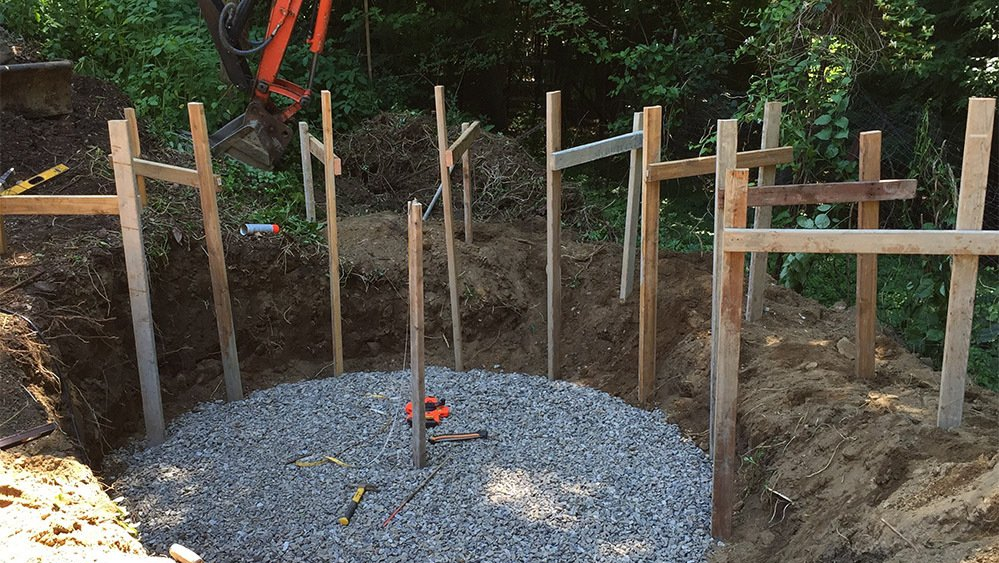
1. Excavation and Soil Conditions
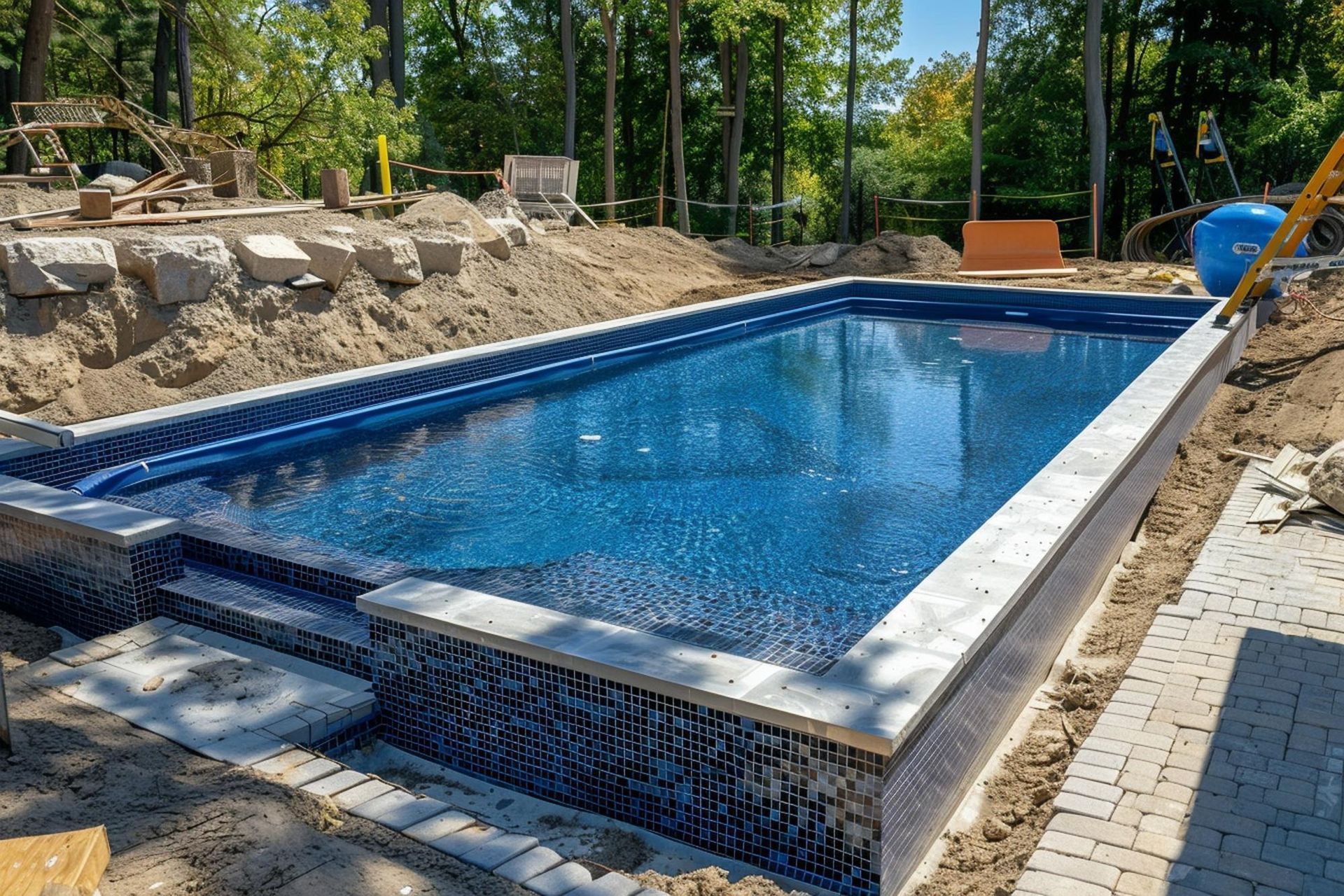
Excavation is not always predictable. Soil conditions vary, and some properties have rock, uneven terrain, or drainage challenges. If extra work is required to stabilize the ground or remove difficult material, additional costs may follow. This is one of the most common reasons final pool costs exceed the original estimate.
2. Safety Fencing and Code Requirements
Connecticut requires specific safety measures for residential pools. That usually includes fencing with secure, self-latching gates. These features are not optional and may not be part of a basic installation quote. In addition to fencing, inspections are required throughout the project to ensure everything meets local building codes.
3. Hardscaping and Finishing Work
A pool is only part of the finished space. Most homeowners also want:
- A surrounding deck
- Walkways
- Patio areas
- Grading and landscaping
These elements are sometimes treated as separate from the pool itself, even though they are essential for usability and safety.
4. Utility Connections
Pool equipment needs electricity, and heaters may require gas connections. Running new lines, upgrading electrical panels, or trenching across the yard can increase the total project cost.
Utility work is essential for proper operation, but it is not always clearly outlined in early estimates.
5. Permits and Approvals
Permits and inspections are required before and during construction. Depending on your neighborhood, homeowners' association approvals may also be necessary. These steps protect homeowners and ensure safety, but they also add time and expense to the process.
Seasonal Costs of Owning a Pool in Connecticut
Owning a pool in Connecticut comes with unique seasonal responsibilities. Unlike warmer climates, where pools operate year-round, homeowners here must prepare for freezing temperatures, snow, and long off-seasons.
Winterization Requirements
Before temperatures drop, pools in Connecticut must be properly closed. With long winters that often run from November through April, winterization typically includes:
- Lowering the water level
- Draining and blowing out plumbing lines
- Adding winterizing chemicals
- Removing and storing certain equipment
- Securing the pool cover
Cover Maintenance
A winter pool cover does more than keep debris out. It protects the structure and helps maintain water quality during the off-season.
However, covers require maintenance, including:
- Removing excess snow and standing water
- Checking anchors and safety straps
- Inspecting for tears or sagging
Off-Season Inspections
Winter is also an opportunity to inspect the pool system. During the off-season, homeowners should check:
- Pumps and filters for wear
- Heaters for corrosion
- Pool surfaces for cracks
- Decking for shifting or settling
Freeze Protection for Plumbing
Freeze protection is one of the most important seasonal responsibilities in Connecticut. Water expands when it freezes. If trapped in pipes, it can cause significant structural damage.
Proper freeze protection involves:
- Fully draining lines
- Adding antifreeze where appropriate
- Ensuring valves are correctly positioned
The Ongoing Costs of Owning a Pool
Once construction is complete, the financial commitment continues. A pool requires consistent care and periodic updates.
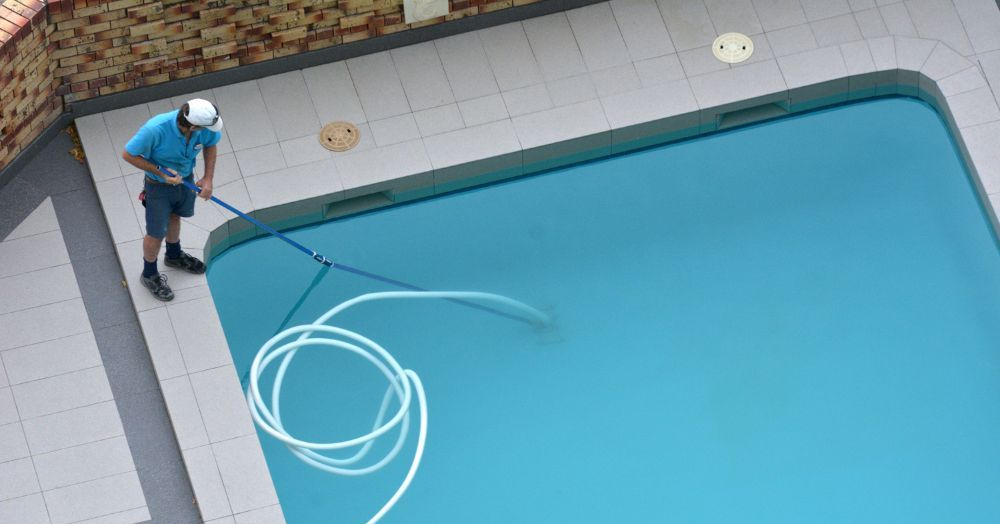
Regular Maintenance
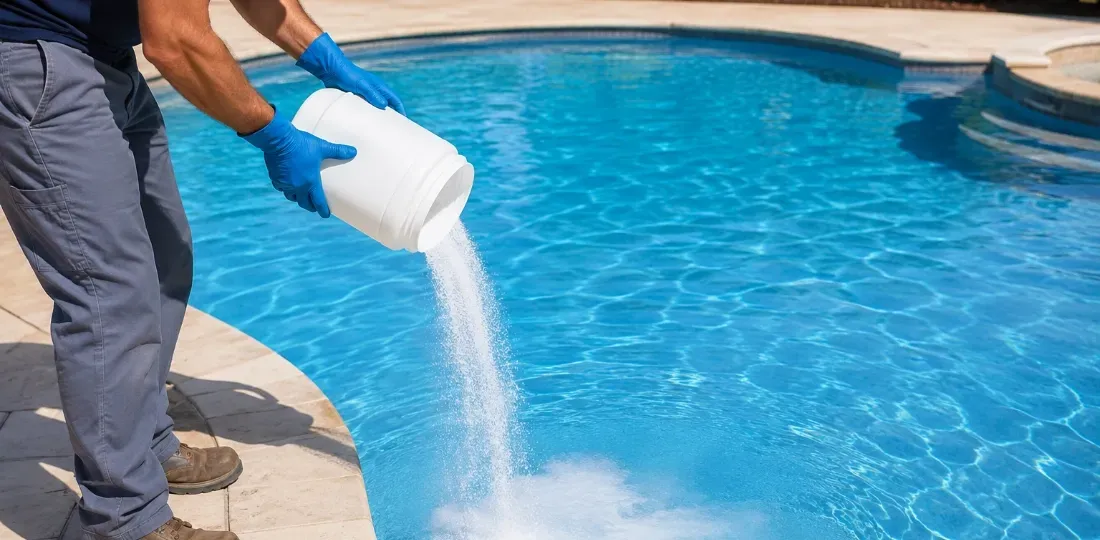
Pools require ongoing cleaning and chemical balancing to keep the water safe and clear. Even if you handle maintenance yourself, you will need supplies and occasional professional service.
Seasonal opening and closing services are common in Connecticut due to weather changes. These routine services are part of responsible pool ownership.
Increase Utility Usage
Pool pumps, filters, and optional heaters run regularly during swimming season. As a result, many homeowners notice an increase in electricity and water usage.
Heating the pool to extend the season or maintaining consistent water circulation contributes to higher monthly bills.
Insurance Considerations
Insurance companies view pools as an added liability. You may need to adjust your homeowner’s policy to ensure adequate coverage.
This adjustment protects you financially but can slightly increase your annual insurance costs.
Repairs and Equipment Replacement
Over time, pool components wear out. Pumps, filters, liners, and heaters eventually require repair or replacement.
These are not unexpected problems. They are part of the normal lifecycle of mechanical systems. Planning for future repairs prevents stress when equipment reaches the end of its lifespan.
Property Value and Taxes
Adding a pool may increase your home’s assessed value. In some cases, that can lead to higher property taxes. While not guaranteed, it is something homeowners should consider before building.
Smart Upgrades That Reduce Long-Term Costs
While pools come with ongoing expenses, certain upgrades can improve efficiency and reduce operating costs over time.
Energy-Efficient Pumps
Modern high-efficiency pumps use less electricity while still keeping water moving properly. In many cases, you can save even more by choosing a smaller, efficient pump and running it only as long as needed, which helps control energy use without sacrificing circulation or comfort.
Variable-Speed Motors
Variable-speed motors allow you to adjust pump speed based on need. Instead of running at full power all the time, the system operates at lower speeds for routine filtration and higher speeds only when necessary.
Pool Covers to Reduce Evaporation
A properly fitted pool cover reduces water evaporation, which in turn reduces the need for refilling and reheating.
Benefits include:
- Lower water usage
- Reduced heating demand
- Less debris entering the pool
Automation Systems for Better Efficiency
Pool automation systems allow homeowners to control pumps, heaters, and lighting through programmable settings. This prevents equipment from running longer than necessary.
Automation can help:
- Optimize filtration cycles
- Manage heating schedules
- Monitor system performance
Above-Ground vs. In-Ground Pool Cost Differences
Above-ground pools are typically the lower-cost, faster-install option, while in-ground pools are a larger, permanent investment that often includes more construction add-ons.
| Pool Type | Typical Starting Cost | Why Costs Increase |
|---|---|---|
| Above-Ground | Often under $10,000 (excluding upgrades) | Better pumps/filters, decking, steps, electrical hookup, and site leveling |
| In-Ground | Often $40,000+ | Excavation challenges, permits, fencing, decking/patio, landscaping, heaters/automation |
In-ground pool pricing is more likely to rise beyond the initial quote because it involves excavation, code requirements, utility work, and finishing details that vary by property.
How to Budget for a Pool the Right Way
Proper planning makes pool ownership far more manageable. Instead of focusing only on the installation price, take a broader approach.
Step 1: Ask for a Detailed Scope of Work
Request a written breakdown of what is included and what is not. Ask specifically about excavation, fencing, permits, utility work, and finishing touches.
Clarity at the beginning prevents confusion later.
Step 2: Plan for More Than the Base Quote
It is wise to assume that the total completed project will cost more than the initial estimate. Site conditions, design changes, and compliance requirements often increase the final number.
Step 3: Consider Long-Term Operating Costs
Think beyond construction. Ask yourself:
- Am I comfortable with regular maintenance?
- Can I manage increased utility usage?
- Am I prepared for occasional repairs?
Step 4: Choose Transparency Over Low Pricing
The lowest quote is not always the most accurate. Contractors who take time to explain the full process, including long-term considerations, help homeowners avoid unexpected expenses.
Are Pools Still Worth It?
Yes, If:
- You’ll use it often.
- You plan to stay in the home for years.
- You can afford ongoing maintenance, utilities, and repairs.
No, if:
- You hate upkeep or don’t want weekly maintenance.
- Your budget only covers the install, not long-term costs.
Bottom line: A pool is a lifestyle upgrade, not a guaranteed financial win.
Frequently Asked Questions (FAQs)
Do pool quotes usually include everything?
Not always. Many quotes cover the basic pool and standard equipment but exclude permits, inspections, required fencing, utility work (electric or gas), possible excavation overages, and finishing work like decking, drainage, and landscaping.
Is pool maintenance difficult?
It’s manageable, but it takes consistency. You’ll need regular water testing and chemical balancing, routine cleaning of skimmers and filters, and basic equipment checks to prevent bigger issues. It’s easiest when it becomes a simple weekly habit.
Will my insurance change if I install a pool?
Often, yes. Pools increase liability, so insurers may require higher coverage limits and may ask about safety features like fencing and self-latching gates. Call your provider before building to confirm requirements and coverage changes.
Do pools increase home value?
Sometimes. A well-maintained pool can boost appeal in the right market, but some buyers see it as extra upkeep. Value depends on the pool type, condition, and overall backyard finish, so it’s best viewed as a lifestyle upgrade first.
Why does the final pool cost sometimes exceed the estimate?
Early estimates often reflect a base build. Costs can rise due to soil or rock issues, required code items, utility hookups, permits, inspections, and upgrades added mid-project, like decking, lighting, heating, or landscaping.
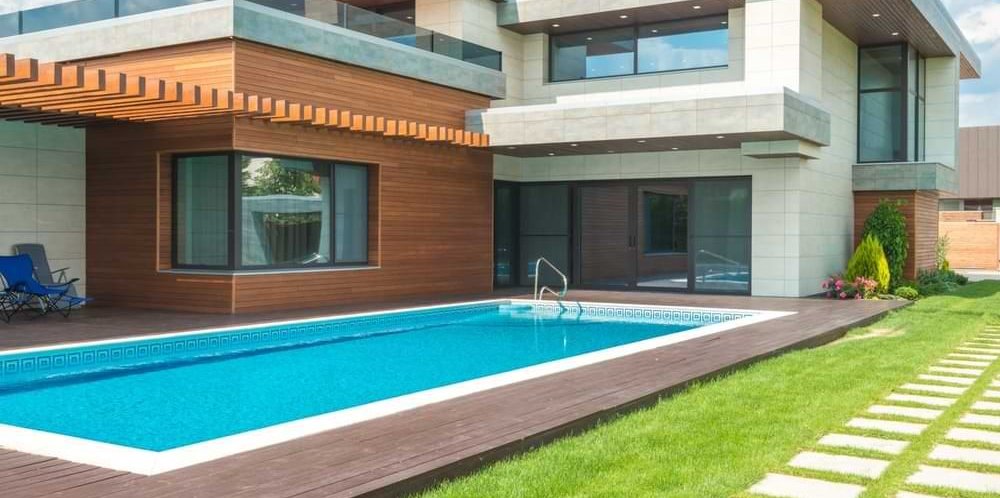
Plan Smart Before You Build
A pool can be a great addition to your home, but only when you understand the full scope of ownership. Looking beyond the base installation price allows you to plan responsibly and avoid surprises. If you are thinking about building a pool in Danbury, CT, working with an experienced contractor like FJV Construction can help you gain a clear understanding of both the construction process and the long-term responsibilities. A transparent approach makes it easier to move forward with confidence and enjoy your investment for years to come.
Contact FJV Construction for a detailed, transparent pool estimate and a clear understanding of the full scope before you build.