
How to Remove Black Algae in Brookfield, CT, Pools
In Brookfield, CT, shaded yards, falling leaves, changing temperatures, winter pool closures, and inconsistent circulation can give black algae the conditions it needs to settle into plaster, gunite, tile grout, and other porous pool surfaces.
Black algae is difficult to remove because it can root beneath the surface layer. Basic shocking and light brushing may fade the spots temporarily, but they often return when the underlying cause is not corrected.
Removing black algae usually requires aggressive brushing, balanced water chemistry, extended filtration, and a close look at the pool surface. If the same areas keep developing dark spots, the issue may involve worn plaster, weak circulation, damaged grout, or aging gunite that needs professional attention.
What’s In This Guide
- What Is Black Algae in Pool Water?
- What Causes Black Algae in Pools?
- Is Black Algae in Pool Dangerous?
- How to Get Rid of Black Algae in Pool Surfaces
- When to Call Pool Contractors Near Me
- How to Prevent Black Algae From Returning
- Frequently Asked Questions (FAQs)
- Stop Black Algae Before It Spreads Further
Quick Facts
- Black algae roots into porous pool surfaces.
- Trees, shade, seasonal closures, and weak circulation increase risk.
- A professional inspection can help prevent repeat algae problems.
- Recurring growth may signal pool system issues.
- Brushing helps chlorine reach black algae beneath the surface layer.
What Is Black Algae in Pool Water?
Black algae usually appears as dark blue-green or black spots attached firmly to pool walls, steps, corners, grout lines, and rough surfaces. Despite the name, black algae is typically a cyanobacterial growth rather than true algae.
It develops a protective outer layer that shields it from chlorine, making it much more difficult to kill than other pool contaminants.
Some homeowners call it black mold in pool areas because of its dark appearance, but black algae and household mold are not the same. Black algae typically forms in pools with porous materials such as:
- Gunite
- Concrete
- Plaster
- Tile grout
- Pebble finishes
Maintaining
proper chlorine levels and balanced water chemistry is one of the most important steps in preventing harmful pool contaminants from growing.
What Causes Black Algae in Pools?
Black algae develop when poor sanitation, weak circulation, and porous surfaces allow spores to attach and grow.
Poor Chlorine Levels
Low sanitizer levels are one of the most common causes of black algae growth. When chlorine drops for extended periods, algae spores can attach to rough surfaces and begin spreading. Pools left untreated during colder Connecticut months are especially vulnerable during spring openings.
Unbalanced Pool Chemistry
Improper pH levels reduce chlorine efficiency. Even if chlorine is present, it may not work effectively if the water chemistry is outside the recommended range. Testing water consistently helps prevent algae from establishing itself.
Weak Pool Circulation
Black algae often develops in stagnant areas with poor water movement, including:
- Behind ladders
- Around steps
- Inside corners
- Along shaded walls
- Near return lines
Without strong circulation, algae becomes harder to remove and easier to miss.
Porous or Damaged Pool Surfaces
Black algae thrives in rough textures because it can dig roots into microscopic surface openings. Older plaster, cracked finishes, worn gunite, damaged grout, and pitted surfaces create openings where algae can root deeply beneath the surface.
Contaminated Equipment and Swimwear
Spores can spread through pool brushes, floats, vacuum heads, toys, and swimwear exposed to lakes or untreated water. This is one reason black algae may return shortly after treatment.
Is Black Algae in Pool Dangerous?
Black algae itself is usually more of a sanitation warning sign than a direct toxic threat, but it should never be ignored. Its presence often indicates poor water sanitation, inconsistent chlorine levels, or circulation problems that may allow harmful contaminants and bacteria to develop alongside algae growth.
Potential concerns include:
- Eye irritation
- Skin irritation
- Slippery pool surfaces
- Poor water quality
- Increased bacteria buildup
⚠️Swimmers should avoid entering water that appears discolored, slimy, or poorly maintained — harmful bacteria and contaminants may also be present. Treating algae early is especially important for Brookfield homeowners with children or heavy summer pool use
How to Get Rid of Black Algae in Pool Surfaces
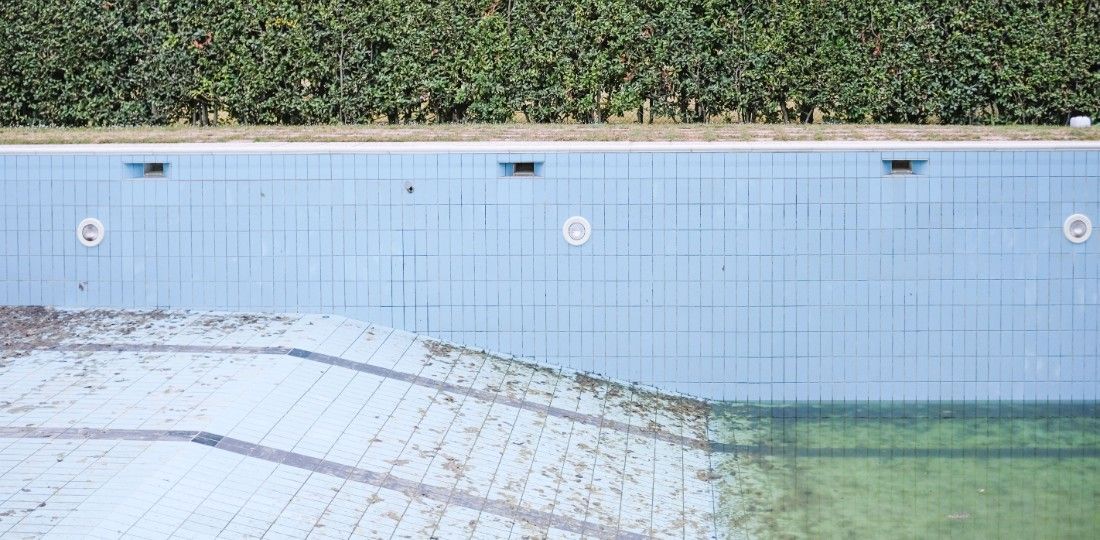
Black algae is deeply rooted, so surface cleaning alone rarely works.
Step 1: Confirm It Is Black Algae
Dark stains are not always algae. Black algae usually has these signs:
- Raised dark spots
- Slimy or rough texture
- Resistance to brushing
- Growth concentrated in rough surfaces
- Recurring spots after shocking
If spots continue returning in the same areas, black algae is likely the cause.
Step 2: Test and Balance the Water
Proper chemistry is critical before treatment begins.
Check:
- Chlorine
- pH
- Alkalinity
- Calcium hardness
- Cyanuric acid levels
Balanced water allows sanitizers to work more effectively against algae colonies. Regular testing helps maintain safe swimming conditions and proper disinfection levels.
Step 3: Brush Aggressively
This is the most important physical step in the process.
Black algae develops a protective layer that chlorine cannot easily penetrate. Aggressive brushing helps break that barrier so treatment chemicals can reach the roots underneath.
Use:
- Stainless steel brushes for plaster or gunite
- Nylon brushes for fiberglass or vinyl pools
Focus heavily on:
- Corners
- Steps
- Grout lines
- Cracks
- Shaded areas
Most pools require repeated brushing over several days.
Step 4: Shock the Pool Properly
Standard chlorine treatment is often not enough for black algae.
Most infestations require:
- Heavy-duty shocking
- Repeated chlorine treatments
- Longer circulation times
- Consistent brushing
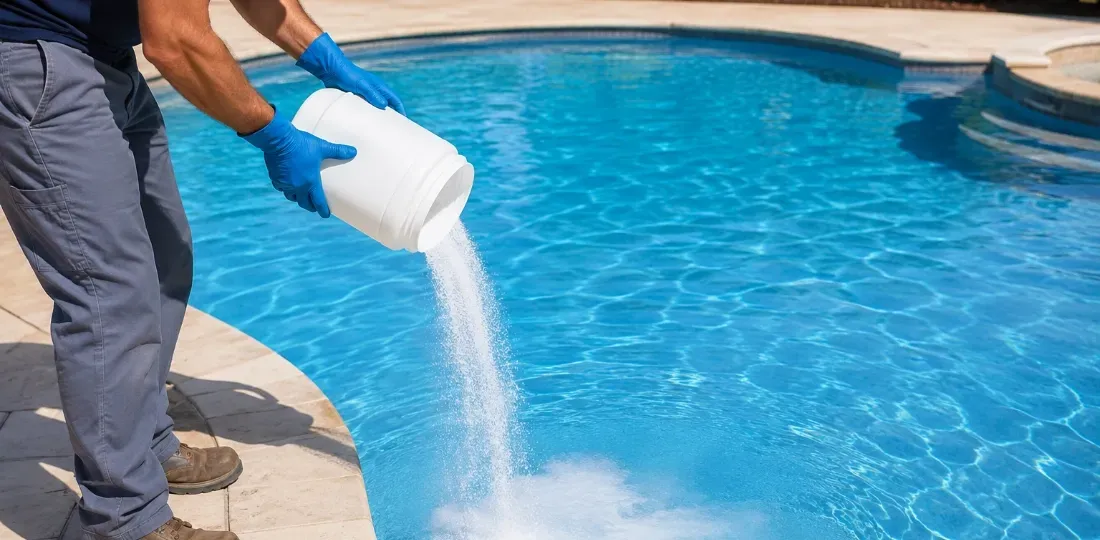
Always follow product label instructions and never mix pool chemicals directly.
Step 5: Run the Pump and Filter Continuously
Circulation helps distribute sanitizer evenly while removing dead contaminants from the water.
During active treatment:
- Run the pump continuously
- Backwash sand or DE filters as needed
- Clean cartridges regularly
- Monitor water clarity daily
Weak circulation is one reason many homeowners continue seeing recurring algae growth even after chemical treatment.
Step 6: Clean Pool Accessories and Equipment
Black algae spores can survive on surfaces outside the pool itself.
Clean:
- Brushes
- Vacuum heads
- Floats
- Ladders
- Pool toys
- Swimwear
Skipping this step increases the risk of reinfection.
Step 7: Re-Test and Repeat If Necessary
One treatment cycle is not always enough.
After shocking:
- Re-test water chemistry
- Re-brush affected areas
- Vacuum debris
- Continue monitoring dark spots
Pools with older surfaces or severe infestations may require several rounds of treatment.
Step 8: Inspect for Surface Damage
If black algae keeps returning to the same locations, the problem may involve structural or surface issues.
Common warning signs include:
- Rough plaster
- Cracked finishes
- Pitted gunite
- Failing grout
- Poor circulation design
At this stage, many homeowners begin searching for pool contractors near me because recurring algae may point to resurfacing needs, circulation issues, or larger structural repairs.
When to Call Pool Contractors Near Me
Some algae problems move beyond DIY treatment.
If repeated cleaning attempts fail, professional pool contractors can inspect the surface, circulation system, filtration equipment, and structural condition of the pool.
Professional help may be necessary when:
- Black algae keeps returning
- Pool surfaces feel rough or damaged
- Water chemistry will not stabilize
- Pumps or filters perform poorly
- Large areas are affected
- The pool was recently opened after winter
FJV Construction provides residential and commercial
pool services in Brookfield, CT, including pool construction, renovation, resurfacing, maintenance, and repairs for vinyl and gunite pools. For recurring algae problems tied to damaged surfaces or circulation issues, professional repairs may be necessary to stop the problem from returning.
How to Prevent Black Algae From Returning
Once black algae is removed, prevention comes down to clean surfaces, balanced water, and strong circulation.
1. Maintain Consistent Water Chemistry
Do not wait until the water looks cloudy to test it.
- Test chlorine, pH, alkalinity, and stabilizer regularly
- Check levels after heavy swimming, rain, or hot weather
- Keep sanitizer levels steady so algae cannot attach easily
- Balance water before problems become visible
2. Brush the Pool Weekly
Even clean-looking pools benefit from brushing.
- Focus on steps, corners, ladders, tile lines, and shaded areas
- Use the right brush for your pool surface
- Brush before algae spots become visible
- Pay extra attention to rough plaster, grout, and gunite
3. Improve Water Circulation
Poor circulation creates stagnant zones where algae can grow.
Make sure:
- Return jets function properly
- Filters stay clean
- Pumps run long enough daily
- Dead spots receive steady water movement
If the same areas keep developing black spots, circulation may need a professional inspection.
4. Keep Debris Out of the Pool
Leaves and organic debris can feed algae growth.
- Skim leaves often
- Vacuum settled dirt and debris
- Empty skimmer baskets regularly
- Clean the pool after storms or heavy wind
Brookfield pools near trees may need extra attention during summer and fall.
5. Clean Equipment Regularly
Brushes, toys, floats, and covers can carry algae spores back into the pool.
- Rinse and disinfect pool brushes and vacuum heads
- Clean floats, ladders, and toys
- Wash swimsuits used in lakes, ponds, or untreated water
- Sanitize equipment after treating an algae problem
6. Schedule Seasonal Pool Inspections
Professional inspections before opening and after closing season can catch problems early.
A pool inspection can identify:
- Surface wear
- Filtration issues
- Equipment problems
- Circulation weaknesses
Early corrections help prevent recurring black algae and
larger pool repairs later.
Frequently Asked Questions (FAQs)
What is black algae in pool systems?
Black algae is a bacteria-like growth that appears as dark spots attached to rough pool surfaces. It commonly grows in plaster, gunite, concrete, pebble finishes, and grout lines.
Is black mold in pool areas the same as black algae?
Not usually. While they look similar on pool surfaces, black algae is actually a form of cyanobacterial growth (a type of bacteria), whereas mold is a fungus.
What causes black algae in pools to come back?
Understanding what causes black algae in pools helps prevent recurrence. Poor circulation, inconsistent chlorine, rough surfaces, and contaminated equipment are common causes.
Can black algae grow in saltwater pools?
Yes. Saltwater pools can still develop black algae if chlorine production, circulation, or water balance is inconsistent. Salt systems still rely on proper sanitation to prevent algae growth.
What pool surfaces are most likely to develop black algae?
Black algae commonly develops on porous surfaces such as plaster, gunite, concrete, pebble finishes, and tile grout because these materials allow algae to root deeply.
Stop Black Algae Before It Spreads Further
For recurring algae problems, damaged pool surfaces, or circulation concerns, FJV Construction can identify the source of the issue and recommend long-term solutions that fit your pool system.