Why Gunite Is the Top Choice for Swimming Pool Installation (And What Homeowners Should Know)
A pool is a big investment, so most homeowners are not just asking what looks good right now. They want to know what will hold up, what gives them the most design freedom, and what makes the most sense over the long run. That is exactly why gunite keeps coming up in conversations about swimming pool installation.
If you want a pool that is durable, highly customizable, and built to last for decades, gunite is often the strongest choice.
Here is why gunite stands out and what homeowners should know before starting a new pool project.
What’s In This Guide
- What Is a Gunite Pool?
- What Is a Gunite Inground Pool?
- Pros and Cons Homeowners Should Know Before Choosing a Gunite Pool
- Gunite vs. Fiberglass vs. Vinyl: Which Is the Better Investment?
- How Gunite Swimming Pool Installation Works Step by Step
- Frequently Asked Questions (FAQs)
- Ready To Build a Gunite Pool That Lasts? Start Here
Quick Facts
- Gunite offers full customization.
- It is durable and long-lasting.
- It costs more and takes longer to build.
- Quality construction and maintenance matter.
- It is a strong long-term investment
What Is a Gunite Pool?
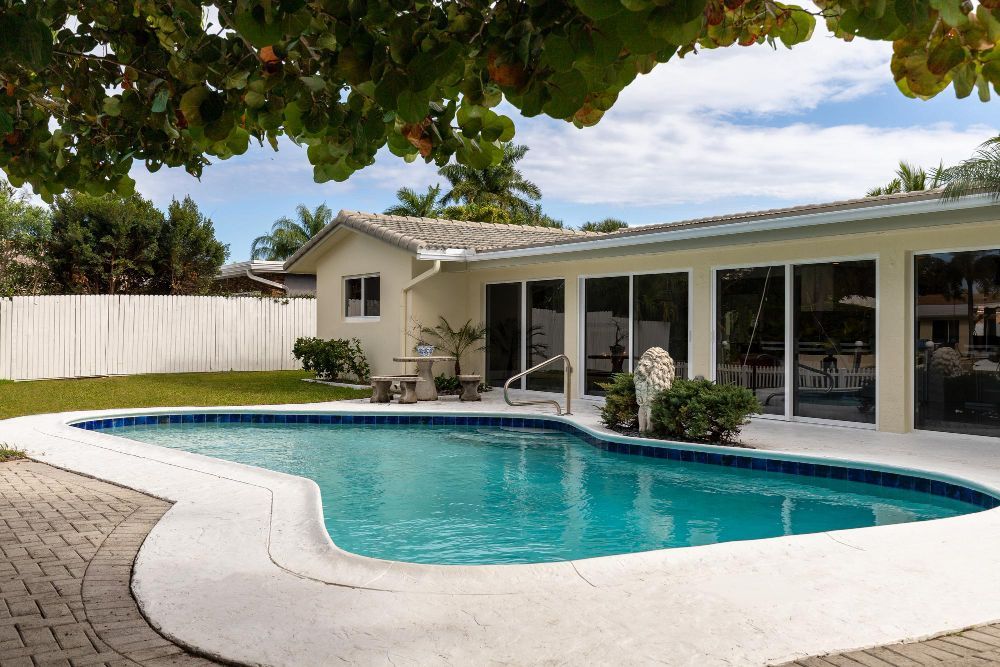
A gunite pool is a concrete pool built by spraying a dry mix of sand and cement, known as gunite material, over a reinforced steel framework. Water is added during application, allowing the material to bond tightly and form a dense, durable shell.
This construction method creates a strong, permanent structure that can be shaped into almost any design.
Unlike pre-made pool shells, a gunite swimming pool is built on-site, which makes it a strong choice for projects where flexibility and durability matter most.
What Is a Gunite Inground Pool?
A gunite inground pool is installed below ground using the same sprayed concrete method. Because it is built on-site, it can be customized to fit the property’s layout, dimensions, and design goals.
Because the structure is formed directly in the excavated space, it allows for complete control over size, depth, and features.
This makes it a popular choice for homeowners who want more than a standard layout and are planning a swimming pool installation that fits their space and long-term needs.

Pros and Cons Homeowners Should Know Before Choosing a Gunite Pool
Before moving forward with a swimming
pool installation, it helps to evaluate gunite the way you would any major home upgrade.
Pros of a Gunite Pool
A gunite swimming pool is often chosen by homeowners who want a permanent, highly tailored backyard feature rather than a one-size-fits-all solution. Its biggest strengths show up in the areas that matter most over the long term.
Custom Design Flexibility
Because the shell is formed on-site, a gunite pool can be built in custom shapes, dimensions, and depths. This makes it easier to add features like tanning ledges, built-in spas, bench seating, beach entries, or vanishing edges.
Strong Structural Shell
The combination of steel reinforcement and sprayed gunite material creates a dense, durable structure that holds up well when properly built and maintained. This is one reason many homeowners see gunite as a long-term investment.
Works Well for Complex Yards
If your property has slopes, unusual dimensions, or layout limitations, gunite offers more flexibility than pre-manufactured pool shells. A custom design can be adapted to the site instead of forcing the yard to fit a standard mold.
Wide Range of Finish Options
Homeowners can choose from plaster, aggregate, pebble, or tile finishes depending on the look and feel they want. That design range gives a gunite swimming pool a more personalized and upscale appearance.
Long Service Life
Homeowners look for a pool that will last. A properly constructed gunite shell can perform for decades, with resurfacing and maintenance handled as part of normal ownership.
Easy To Update Over Time
The shell itself stays in place, but the surface and visual finish can be refreshed later. That allows homeowners to update the pool without replacing the entire structure.
Cons of a Gunite Pool
Gunite offers major advantages, but it is not the right fit for every homeowner. The drawbacks usually relate to cost, timeline, and long-term maintenance responsibility.
Higher Upfront Cost
A custom swimming pool installation using gunite usually costs more than a vinyl liner pool and may cost more than fiberglass, depending on design and site conditions. Custom work, labor, and finishing options all affect the total budget.
Longer Construction Timeline
Since the pool is built on-site in multiple stages, the process takes longer than installing a pre-formed shell. Excavation, steel work, application of gunite material, curing, finishing, and startup all add time to the project.
More Maintenance Involvement
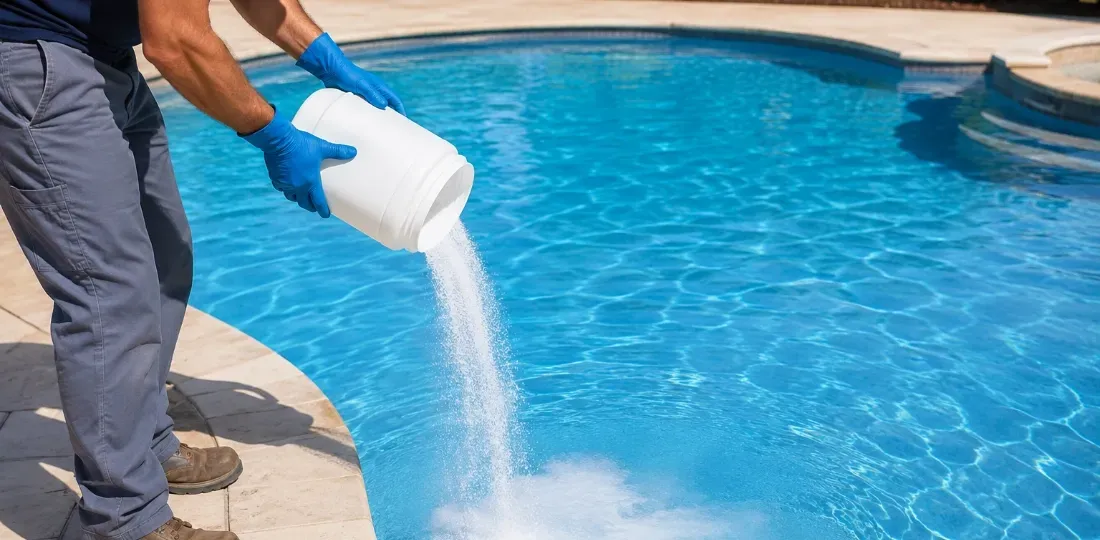
Gunite surfaces require regular brushing, cleaning, and water chemistry management. Because the surface is more porous than fiberglass, algae can attach more easily if the pool is not maintained consistently.
Surface Can Feel Rougher
Depending on the finish selected, the interior may feel less smooth underfoot than fiberglass. This is not always a drawback, but it is something homeowners should consider when comparing pool types.

Gunite vs. Fiberglass vs. Vinyl: Which Is the Better Investment?
When planning a swimming pool installation, most homeowners are comparing three main options: gunite, fiberglass, and vinyl liner pools. Each has its place, but the right choice depends on how you balance cost, customization, durability, and long-term ownership.
The table below breaks down the key differences to help you evaluate which option makes the most sense for your goals.
| Feature | Gunite Pool | Fiberglass Pool | Vinyl Liner Pool |
|---|---|---|---|
| Construction Method | Sprayed gunite material over the steel framework | Pre-manufactured shell installed in one piece | Frame with vinyl liner installed inside |
| Design Flexibility | Fully customizable shapes, depths, and features | Limited to factory-made shapes and sizes | Limited customization; mostly standard shapes |
| Durability | Extremely durable shell; can last decades with proper care | Durable shell, but can crack under certain conditions | Less durable; liner is prone to punctures and wear |
| Lifespan | 100+ years for the shell with resurfacing | 20–25+ years, depending on conditions | 6–12 years per liner before replacement |
| Maintenance Needs | Requires regular brushing and water balancing | Lower maintenance due to a smooth surface | Moderate; liner requires care and eventual replacement |
| Surface Feel | Depends on finish; can be textured or smooth | Smooth, non-porous surface | Smooth but can wrinkle over time |
| Installation Time | Longer build timeline due to custom construction | Faster installation in many cases | Moderate installation time |
| Upfront Cost | Higher initial investment | Mid-range cost | Lower upfront cost |
| Long-Term Costs | Resurfacing over time, but no full replacement | Minimal structural updates | Ongoing liner replacement costs |
| Best For | Custom, long-term backyard investment | Faster installs with simpler designs | Budget-conscious projects |

How Gunite Swimming Pool Installation Works Step by Step
A gunite pool is built directly on-site, so the installation process happens in multiple stages. That takes more time than installing a pre-made shell, but it also gives homeowners more control over size, layout, depth, and features.
Step 1: Planning and Design
The project begins with a site evaluation and design phase. Contractors assess the yard’s layout, slope, drainage, access, and available space, then create a pool design that fits the property and the homeowner’s goals. Features like tanning ledges, built-in seating, entry steps, and attached spas are usually planned at this stage.
Step 2: Excavation
Once the design is finalized, the pool area is excavated. The crew digs out the shape, depth, and contours of the pool based on the approved plan. This step creates the physical footprint of the project and prepares the site for structural work.
Step 3: Steel Reinforcement
After excavation, a steel rebar framework is installed inside the excavated area. This framework forms the internal structure of the pool and helps support the shell once the concrete is applied. It also defines the final shape of the walls, floor, steps, and other built-in details.
Step 4: Plumbing and Electrical
Before the shell is formed, the plumbing and electrical systems are roughed in. This includes circulation lines, drains, returns, lighting, and connections for equipment such as pumps, filters, and heaters. Handling these systems early allows them to be integrated into the finished structure.
Step 5: Gunite Application
Next, the gunite is sprayed over the steel framework at high pressure to form the shell of the pool. Because the material is applied on-site, the crew can shape the pool precisely according to the design. This is one of the main reasons gunite works so well for custom builds.
Step 6: Curing
Once the shell is in place, it needs time to cure properly. This stage is important because the concrete has to gain strength before the project moves forward. Proper curing supports durability and helps the structure perform better over time.
Step 7: Finish Work
After curing, the pool moves into the finishing stage. Tile, coping, and the interior surface are installed, and the surrounding deck or hardscape begins to take shape. These elements affect both the look of the pool and how it functions as part of the overall backyard design.
Step 8: Fill and Startup
In the final stage, the pool is filled with water, the equipment is tested, and the water chemistry is balanced. Once everything is operating correctly, the pool is ready for use. At that point, the focus shifts from construction to ongoing care and maintenance.

Frequently Asked Questions (FAQs)
How long does it take to build a gunite pool?
Most gunite pool projects take several weeks to a few months, depending on design complexity, permitting, weather, site conditions, and the scope of surrounding hardscape. Custom features and limited yard access can extend the timeline.
Does a gunite pool add value to a home?
A pool can add appeal for the right buyer, especially in warmer markets and higher-end neighborhoods, but the return depends on location, design quality, and overall property fit. Homeowners should think of it more as a lifestyle investment with potential resale benefits rather than a guaranteed value increase.
Can a gunite pool be remodeled later?
Yes. One advantage of gunite is that the structure can usually be updated over time. Homeowners can change the interior finish, replace tile, update coping, add water features, or modernize the surrounding deck without replacing the entire pool shell.
Is gunite a good choice for unusual backyard layouts?
Often, yes. Gunite works especially well in yards with curves, slopes, tight dimensions, or custom landscape plans because the pool is shaped on-site rather than limited to a factory mold. That makes it easier to design around the property.
What should homeowners ask a pool builder before starting?
Ask about the proposed construction timeline, structural details, curing process, finish options, drainage planning, equipment quality, warranty coverage, and what maintenance will be required after startup. Clear answers early on can help prevent confusion and costly surprises.
Ready To Build a Gunite Pool That Lasts? Start Here
If you are considering a custom pool that is built to last and tailored to your space, working with an experienced contractor in Danbury, CT, makes a difference.
FJV Construction can help you evaluate your options, refine your design, and guide you through each stage of the process so your pool is built for lasting value and performance.