
Inground Pool Permits Explained: What Homeowners Need Before Construction Begins
The City of Danbury code defines an outdoor swimming pool as any pool, in-ground or above-ground, designed to contain water 2 feet or more in depth. However, it's subject to enforcement by the building official under the State Building Code.
In most cases, it is a set of approvals that confirms your plan meets zoning rules, safety requirements, and building code standards before excavation begins.
Homeowners must submit detailed plot plans and structural designs and, if applicable, zoning and wetlands approvals, along with permit fees, to ensure compliance with safety codes and property setbacks.
In This Guide
Key Takeaways
✔ Danbury pool permits involve multiple reviews, not one form.
✔ A clear plot plan with setbacks, equipment, and barrier layout speeds approval.
✔ Barriers and alarms must be planned upfront.
✔ Zoning or wetlands factors can extend timelines.
✔ Do not dig until the permit is issued and inspections are set.
What "Permits" Typically Mean for an Inground Pool in Danbury, CT
Danbury's Department of Permit Coordination oversees actions taken by multiple municipal departments on permit applications submitted by the public. That matters because an inground pool can touch several review areas at once.
Here is what "permits" commonly includes for an inground pool project:
- Zoning review: Confirms your pool placement complies with setbacks, lot rules, and any easements that limit where structures can go.
- Building review and permit: Danbury's Building Department manages permits and inspections for construction and related systems. Pool-related safety and enclosure requirements are enforced under the State Building Code framework.
- Engineering and grading review (as needed): If your project changes grades or affects drainage, it may trigger additional review.
- Electrical, plumbing, or mechanical permits (as needed): Pools often include electrical work and may include heaters, lighting, or other equipment that requires separate permitting and inspection.
What Homeowners Must Submit for an Inground Pool Permit
Detailed Plot Plan
A scaled site plan is one of the most important documents in your submission. It should clearly show:
- Property boundaries
- Existing structures such as the house, garage, or sheds
- The proposed pool location with dimensions
- Distances from the pool to side and rear property lines
- Location of the equipment pad
- Location of the required barrier or fence
This plan allows zoning officials to confirm setback compliance and allows building officials to understand site conditions.
Structural Designs and Construction Details
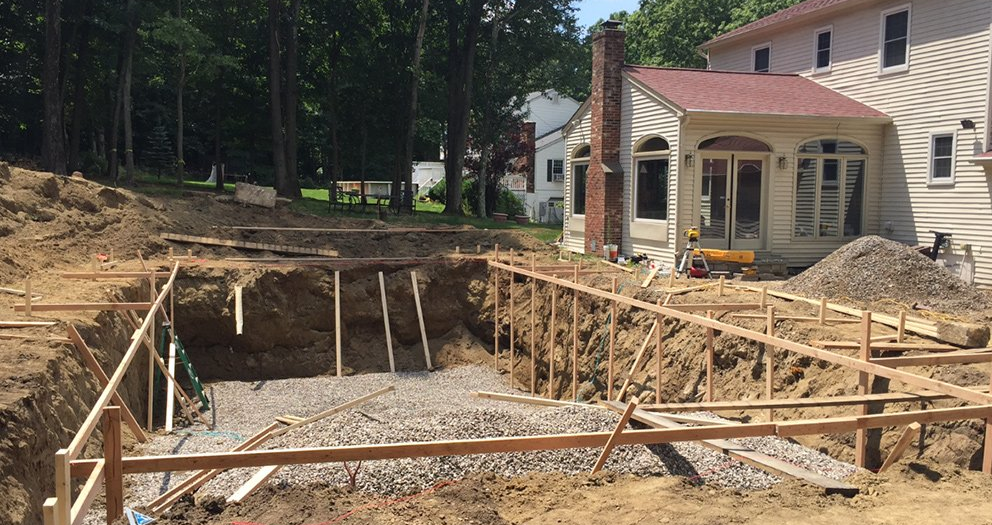
Inground pools involve excavation, structural walls, and reinforced materials. Depending on the design, you may need:
- Engineered or manufacturer-provided structural details
- Construction drawings showing pool shell type
- Bonding and grounding plans for electrical systems
- Plumbing layout for circulation systems and heaters
Structural documentation helps the building department confirm compliance with the Connecticut State Building Code.
Zoning or Wetlands Approvals When Applicable
If your property is near regulated wetlands, watercourses, or special zoning districts, additional approvals may be required before a building permit can be issued. Zoning review confirms that the pool meets setback requirements and does not encroach on restricted areas.
Skipping this step or assuming it does not apply is a common cause of delays.
Permit Application and Fees
You must complete the required permit application forms and pay associated fees. Fee amounts vary based on scope and municipal schedules. Always verify current requirements directly through Danbury’s Building Department resources.
Step-By-Step: How To Get an Inground Pool Permit in Danbury
Step 1: Review Your Property Constraints
Before you design anything, confirm what your lot can actually accommodate. Start with a recent property survey (or plot plan) so you can see:
- Lot lines and corner markers (what the city will use to measure setbacks)
- Utility easements (areas you often cannot build in)
- Drainage features (swales, culverts, low spots that collect water)
- Existing structures (decks, sheds, patios, septic components, wells if applicable)
Step 2: Develop a Code-Compliant Design
Once you know where the pool can go, build a layout that anticipates what reviewers and inspectors need to see. Your plan should address, at minimum:
Required Setbacks
Show the pool outline and label the measured distances to side and rear lot lines.
Equipment Placement
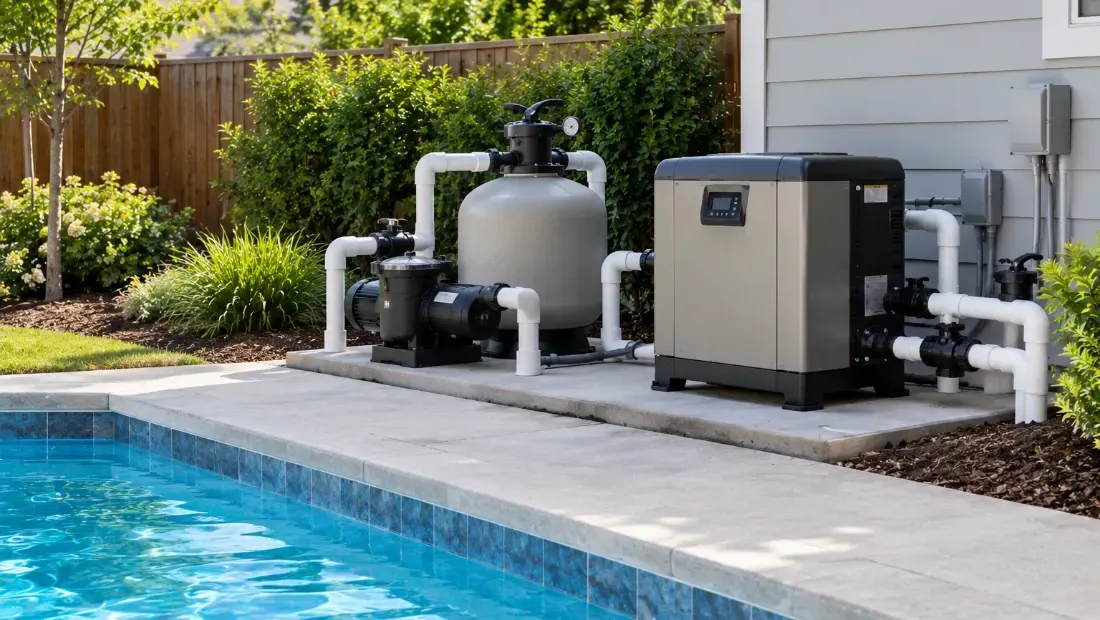
Identify where the pump, filter, and heater (if any) will sit. Placement matters for access, electrical routing, and noise considerations.
Barrier and Gate Location
Do not treat fencing as separate. Show the barrier line, gate locations, and how the pool area is secured (gates are typically required to self-close and self-latch under common safety standards).
Drainage Considerations
Excavation and hardscaping can change how water flows across your yard. If your plan changes grading, include basic notes on how runoff will be managed so it does not affect neighboring properties.
Step 3: Prepare a Complete Submission Package
A “complete” permit submission is one that lets the city confirm compliance without guessing. At a minimum, your packet typically includes:
- Detailed plot plan (site plan): Properly lines, house footprint, pool location and dimensions, setbacks labeled, equipment location, and barrier layout.
- Structural and construction documents: Pool type and construction details, plus engineered drawings or manufacturer specs when required.
- Electrical details: Equipment power requirements and bonding and grounding notes (pool electrical safety is a common inspection focus).
- Plumbing and gas details if applicable: Especially if you install a heater or add features that require separate permits
- Barrier and alarm information: Barrier layout and supporting information for required safety devices.
- Zoning or wetlands approvals when required: If your property triggers extra review, these approvals often need to be addressed before the building permit can be finalized.
Step 4: Submit Through Danbury’s Permit Process
Submit your application, drawings, and supporting documents through Danbury’s permitting channels. Danbury routes permits through the departments that apply to your project. Expect the city to verify that:
- The pool location complies with setbacks and easements
- The plan set includes required safety elements
- Any site changes (grading or drainage) are addressed
- Electrical scope is properly documented
Step 5: Address Plan Review Comments
If you receive comments, treat them like a checklist and respond with a clean, organized revision. The fastest approvals usually come from applicants who:
- Answer every comment directly
- Update drawings, not just explanations
- Label revisions clearly (so reviewers can confirm changes quickly)
- Resubmit complete updated sheets (not partial pages missing context)
Step 6: Obtain Permit Approval Before Construction
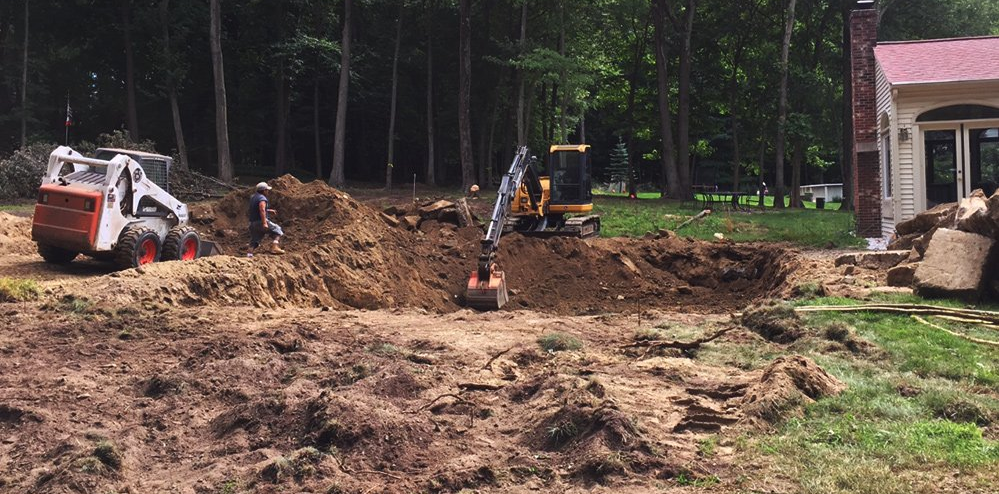
Do not excavate, form, or install anything until the permit is officially issued. Starting early can trigger stop-work orders and may create more expensive problems, like having to expose work for inspection or redo work that does not match approved plans.
Step 7: Schedule Required Inspections
During construction, inspections verify that the build matches the approved permit set and meets safety standards. While inspection requirements vary by scope, you will commonly see checkpoints such as:
- Electrical bonding and grounding inspection: Confirms critical pool electrical safety requirements are met.
- Structural inspection (if required): May apply depending on pool type, reinforcement, or site conditions.
- Barrier or fence inspection: Ensures the pool area is secured as shown on the plans before final approval.
- Final inspection: Confirms the pool, equipment, and safety requirements are complete and compliant.
Timeline Expectations and Common Delays
Permit timelines in Danbury can vary based on city workload, the complexity of your site, and how complete your submission is on day one.
Factors that commonly affect approval speed include:
- Accuracy and clarity of the plot plan:
Clear dimensions, labeled setbacks, and a readable layout reduce back-and-forth.
- Whether engineered documents are required: Some pool types, retaining conditions, or site constraints can trigger requests for stamped or manufacturer-specific structural details.
- Zoning involvement:
If the pool layout is close to setbacks, involves patios or accessory structures, or raises site placement questions, zoning review may add time.
- Seasonal volume: Spring and early summer are high-demand periods for pool permits, which can extend review timelines simply due to application volume.
Submit a complete, well-labeled packet up front, including the plot plan, construction details, and barrier and alarm information.
Common Mistakes That Delay Pool Permits
Many delays are avoidable. These issues frequently trigger revisions, re-submittals, or enforcement actions:
- Placing the pool too close to property lines or easements
- Failing to show fence and gate details on the site plan (including gate locations and how the pool area will be secured)
- Omitting pool alarm documentation when it is required for approval
- Overlooking drainage impacts from excavation and hardscaping that may change runoff patterns
- Beginning construction before the permit is issued, which can lead to stop-work orders and added inspection requirements
- Adding heaters, lighting, or electrical upgrades without updating the permit, which can require additional permits and inspections
A simple rule: if it affects setbacks, safety barriers, electrical scope, or drainage, expect the city to require it in the permit set.
Frequently Asked Questions (FAQs)
Do I need a separate permit for pool electrical work in Danbury?
Often, yes. Pool pumps, lighting, and bonding and grounding work are typically reviewed under electrical permitting requirements. Ask the Building Department what trade permits apply to your exact scope.
Does an inground pool affect property taxes in Danbury?
It can. Permanent improvements may be assessed by the local assessor’s office. Check with Danbury’s Assessor to understand how a new pool could be valued. Working with an expert contractor like FJV Construction can help streamline the process.
Can I install a pool heater later without pulling another permit?
Not always. Adding a heater can trigger electrical, plumbing, or gas permitting and may require inspections. Plan it early if you think you will want one. Make sure to communicate with your contractor to see what additions are possible.
What if my property has a septic system or private well?
Pool placement may need to account for septic components and required clearances. Confirm where your septic tank, leaching fields, and related infrastructure are located before finalizing the pool site plan.
Do I need a permit to replace or relocate pool equipment after approval?
Sometimes. Moving equipment, changing electrical scope, or modifying plumbing can require updated approvals or inspections. Verify before you make changes, especially if the relocation affects setbacks or electrical routing.
Plan Your Pool Project With Confidence
Working with a team that understands local zoning, building code requirements, and safety standards can significantly reduce delays and revisions.
From site evaluation to permit-ready drawings and coordinated construct ion, having experienced guidance helps ensure your project aligns with Danbury’s regulations.
If you are planning an inground pool and want a smoother path from design to approval,
consider partnering with FJV Construction.