Pool Overflow Problems: Causes, Fixes, and When to Call Swimming Pool Contractors
Quick Facts
✔ Pool overflow usually comes from rain, overfilling, or a bad autofill valve.
✔ Extra water can upset pool chemistry, affect skimming, and damage nearby areas.
✔ The safest fix is lowering the water to just below the skimmer opening.
✔ Never fully drain a pool after heavy rain because it can cause structural damage.
✔ Repeated overflow often signals a drainage or equipment issue.
What's In This Guide
- What Happens When a Pool Overflows?
- 4 Common Causes of Pool Overflow
- How to Fix an Overflowing Pool (Step-by-Step)
- When to Call Expert Swimming Pool Contractors
- How to Prevent Your Pool from Overflowing in the Future
- Common Mistakes Homeowners Make When Fixing an Overflowing Pool
- Frequently Asked Questions
- Take Action to Protect Your Pool and Property
An unexpected rise in your pool’s water level can catch you off guard, especially when everything seemed normal just days before. What starts as a minor inconvenience can quickly turn into a situation that affects water quality, pool performance, and even the surrounding area. Many homeowners are unsure whether it’s a temporary issue or a sign of something more serious.
Understanding what causes this problem and how to respond early can help prevent unnecessary damage and costly repairs.
Here are the common causes, practical fixes, and signs it’s time to call an expert.
What Happens When a Pool Overflows?
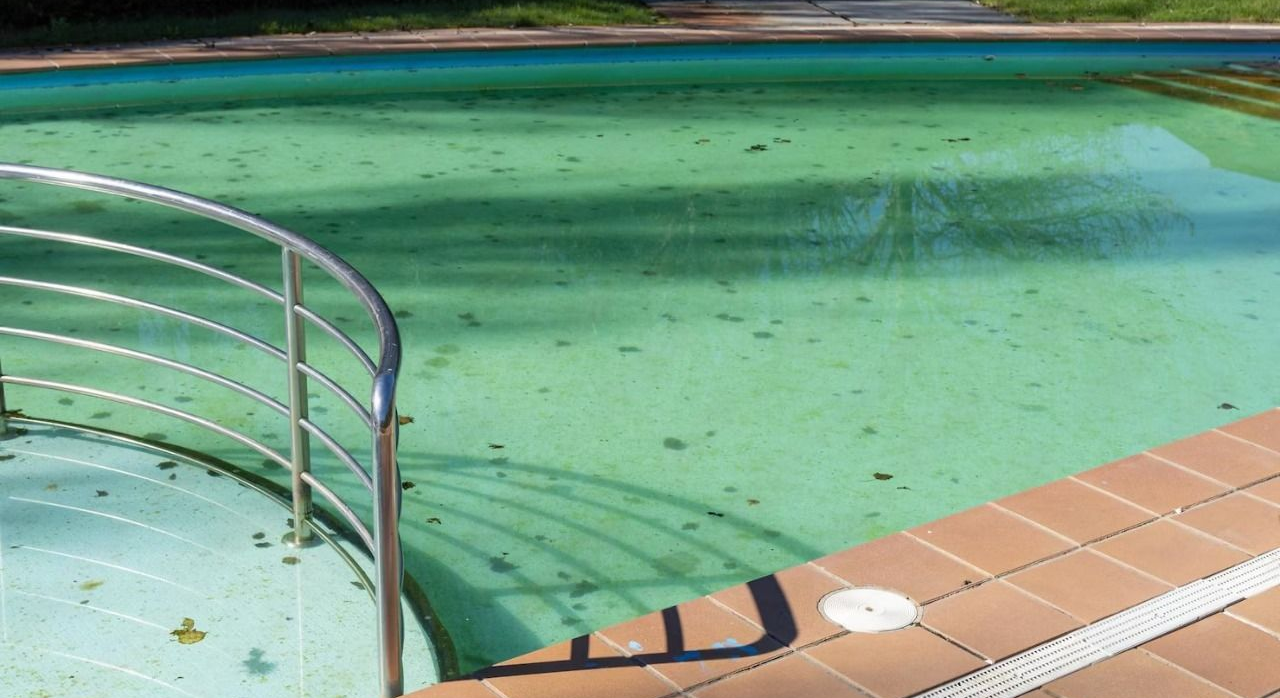
When your swimming pool overflow goes unchecked, the impact extends beyond just excess water.
- First, the water chemistry becomes diluted. Rainwater reduces chlorine levels and disrupts pH balance, making the pool unsafe for swimming.
- Second, your filtration system becomes less effective. If the water level rises above the skimmer, debris removal decreases, which can clog filters and strain pumps.
- Finally, the surrounding area is at risk. Overflowing water can erode soil, damage decking, and seep toward your home’s foundation. In areas like Danbury, CT, where
seasonal storms are common, this can create recurring drainage issues if not addressed properly.
4 Common Causes of Pool Overflow
1. Heavy Rain and Storms
The most frequent cause of an inground pool overflowing from rain is prolonged or heavy rainfall. When the ground becomes saturated, additional runoff flows directly into the pool. Even well-designed pools can struggle to keep up with extreme weather events.
2. Autofill Valve Malfunction
Autofill systems are designed to maintain a consistent water level. However, when the float valve becomes stuck or worn out, it may continuously add water. This can cause a swimming pool overflow even without rainfall.
Common signs include:
- Constant running water
- Rising levels during dry weather
- No visible shut-off response
3. Overfilling with a Garden Hose
One of the simplest but most common causes is human error. Leaving a hose unattended while filling the pool can quickly lead to a pool overflow, especially if you forget to turn it off overnight.
4. Poor Yard Drainage and Landscaping
If your yard slopes toward your pool, rainwater runoff will naturally collect there. Poor grading or clogged drainage systems can worsen the issue, contributing to repeated pool overflowing after storms.
How to Fix an Overflowing Pool (Step-by-Step)
Step 1: Stop the Water Source
Start by identifying where the excess water is coming from. Turn off any hoses or manual fill valves. If your autofill system is running, shut it off and inspect it for issues.
Step 2: Lower the Water Level Safely
Your goal is to reduce the water level to about one inch below the skimmer opening.
Option A: Use a Submersible Pump
A submersible pump is a portable pump designed to sit underwater and move water out of the pool through a discharge hose. To use it, place the pump in the pool and direct the hose to an appropriate drainage area away from the house and other structures.
Option B: Use the Filter’s “Waste” Setting
If your pool has a multiport valve, switching it to the “waste” setting can help lower the water level. This setting sends water out of the pool without running it through the filter. Avoid using the backwash setting for this purpose.
Option C: Use the Siphon Method
The siphon method uses gravity to move water from a higher level to a lower one without a pump. To do this, fully submerge a garden hose in the pool until it fills with water, then quickly place one end outside the pool in a lower area like a yard or drain. Once the water starts flowing, it will continue draining on its own as long as the hose stays below the pool’s water level.
Step 3: Rebalance Pool Chemistry
After draining excess water, test your pool. Rainwater dilutes chlorine and alters pH and alkalinity levels. You may need to shock the pool and rebalance chemicals to restore safe swimming conditions
When to Call Expert Swimming Pool Contractors
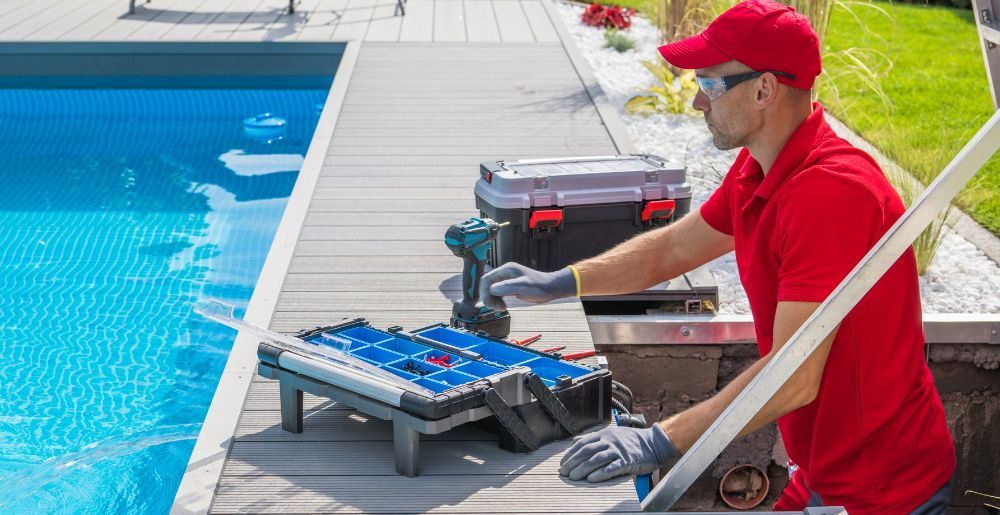
Some pool overflow issues can be handled with basic steps, but others point to deeper problems that require professional attention. Knowing when to bring in expert swimming pool contractors can help prevent further damage and ensure the issue is properly resolved.
✓ Faulty Autofill Valve or Equipment Issues
If your autofill system continues to malfunction, repairs may involve plumbing or electrical work. This is best handled by professionals.
✓ Recurring Overflow Problems
If your pool keeps overflowing despite your efforts, there may be a hidden issue such as improper installation or system imbalance.
✓ Poor Yard Drainage or Grading
If your yard slopes toward your pool, rainwater runoff will naturally collect there. Poor grading or clogged drainage systems can worsen the issue, contributing to repeated pool overflowing after storms.
✓ Uncertainty About Pool Equipment
If you are unsure how to operate your system safely, especially the multiport valve, professional guidance can prevent costly mistakes.
How to Prevent Your Pool from Overflowing in the Future
A few simple habits can help lower the chances of your pool overflowing and make routine maintenance easier over time. Paying attention to water levels, equipment, and drainage can help you avoid preventable problems before they get worse.
✓ Watch Water Levels Before Rainy Weather
Before periods of heavy rain, take a quick look at your pool’s water level and lower it slightly if it already seems high. Since pools do overflow when it rains, even a small adjustment can help create extra space and reduce the risk of overflow during a storm.
✓ Use a Timer When Filling the Pool
When filling your pool with a garden hose, it is easy to lose track of time and accidentally add too much water. Using a timer can help you stay on schedule and reduce the chance of overfilling.
✓ Check the Autofill System Regularly
An autofill system can be helpful, but it still needs occasional attention to make sure it is working properly. Checking it now and then can help you spot signs of wear, sticking, or other issues before they lead to excess water.
✓ Keep Drainage Areas Clear
Nearby drains, grates, and water pathways should stay clear so rainwater can move away from the pool area more easily. When these areas are blocked by leaves, dirt, or other debris, water is more likely to build up around the pool.
✓ Improve the Slope Around the Pool
The slope of your yard affects where rainwater goes during wet weather. If the ground directs water toward the pool, adjusting the grading can help guide that runoff away from the area instead.
Common Mistakes Homeowners Make When Fixing an Overflowing Pool
Trying to fix a pool overflow without fully understanding the cause can sometimes lead to bigger issues. Small missteps during the process can affect both your pool system and the surrounding property.
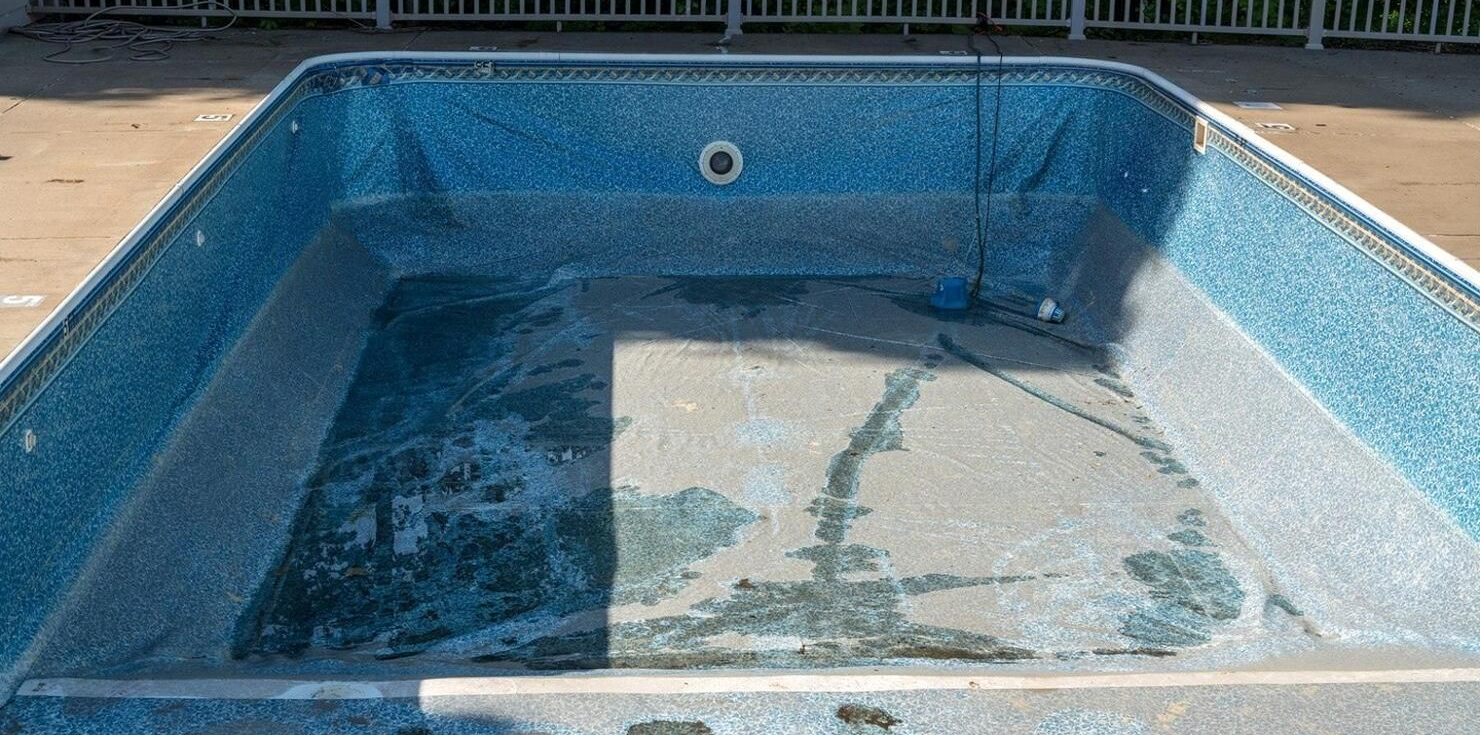
Draining Too Much Water at Once
Removing too much water can create pressure issues, especially after heavy rain when the ground is saturated. This can put stress on the pool structure and lead to costly damage.
Using the Wrong Filter Setting
Some homeowners use the backwash setting instead of the correct drainage option. This can waste water unnecessarily and may not effectively lower the pool level.
Ignoring the Root Cause
Focusing only on lowering the water level without identifying why it overflowed can lead to repeated problems. Issues like faulty valves or poor drainage often go unnoticed.
Skipping Water Testing After Overflow
After removing excess water, some homeowners overlook checking and balancing the pool chemistry. This can lead to unsafe swimming conditions and affect water clarity.
Leaving Equipment Unchecked
Not inspecting systems like the autofill valve or pump can allow small problems to continue. Over time, these issues can contribute to repeated overflow situations.
Frequently Asked Questions
Can debris enter the pool more easily when it overflows?
Yes, higher water levels can make it easier for dirt, leaves, and other debris to enter the pool. When the skimmer is less effective, more particles stay in the water instead of being filtered out. This can affect water clarity and increase maintenance needs.
Can frequent overflow shorten the life of pool equipment?
It can contribute to added strain over time, especially if the system is not operating under normal conditions. Pumps and filters may work less efficiently when water levels are off. Regular imbalance can lead to more frequent maintenance.
Is it normal for water levels to rise after a storm?
Yes, it is common for water levels to increase after heavy rainfall. The amount depends on how much rain falls and how well your drainage handles runoff. Small changes are expected, but larger increases may need attention.
Will overflow affect water clarity?
It can, especially if outside water brings in dirt or organic material. This may cause the pool to look cloudy or require additional cleaning. Maintaining proper levels helps keep the water clearer.
Is overflow more likely during certain times of the year?
Yes, it tends to happen more often during rainy seasons or periods of frequent storms. Changes in weather can affect how quickly water levels rise. Being aware of seasonal patterns can help you prepare in advance.
Take Action to Protect Your Pool and Property
An overflowing pool is usually preventable, but ignoring it can lead to bigger problems. Whether the cause is heavy rain, equipment failure, or poor drainage, addressing it early protects both your pool and your property.
If you are dealing with recurring issues or suspect a deeper structural or drainage problem, working with experienced professionals can make a significant difference. FJV Construction provides expert
solutions that help homeowners in Danbury, CT, manage drainage challenges and protect their outdoor spaces with confidence.