
The Best Pool Pump Settings to Maximize Energy Savings
Understanding how and when your pool pump should run is the key to reducing energy use without sacrificing water quality.
For maximum energy savings, most modern pools benefit from a variable speed pump (VSP) running at the lowest effective RPM (typically around 1,700 to 1,800) for longer daily cycles of 10 to 12 hours.
We’ll break down how pump settings, scheduling, and equipment choices all work together to help homeowners save energy—and money, over the long term.
Table of Contents
Pool Construction Near Me: Why Proper Pump Settings Start With the Right Pool Design
Energy Efficient Pool Pump Options for Modern Pools
Pool Filter System for Inground Pool Efficiency
Choosing the Right Pool Pump for Long-Term Savings
How to Calculate Pool Pump Energy Usage and Cost
Is It Expensive to Run a Pool Pump 24 Hours a Day?
Should You Turn the Pool Pump Off at Night?
What Is the Best Schedule to Run a Pool Pump?
What RPM Should I Run My Pool Pump in the Winter?
Frequently Asked Questions (FAQs)
Take Control of Your Pool’s Energy Costs With Smarter Pump Settings
Key Takeaways
✔ Running a variable speed, energy efficient pool pump at low RPMs for longer periods dramatically reduces pool pump energy consumption.
✔ The best time to run pool pump to save energy is during off-peak hours, typically late at night or early in the morning.
✔ Proper pool construction and plumbing design play a major role in long-term energy efficiency and operating costs.
✔ A well-matched pool filter system for inground pool setups allows pumps to work less while maintaining clean water.
✔ Understanding your pool pump’s energy usage helps you make smarter decisions that lower monthly electricity bills.
Pool Construction Near Me: Why Proper Pump Settings Start With the Right Pool Design
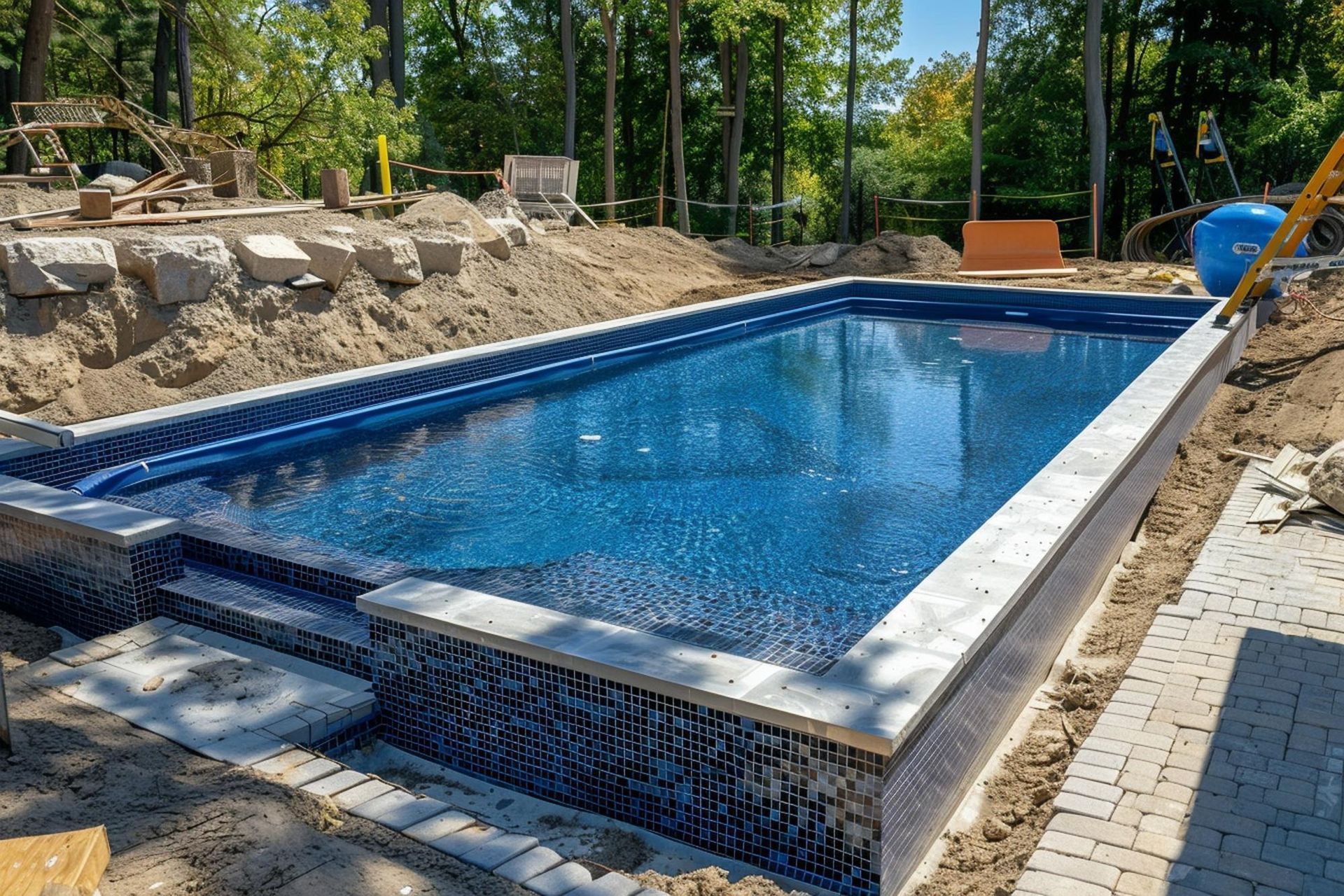
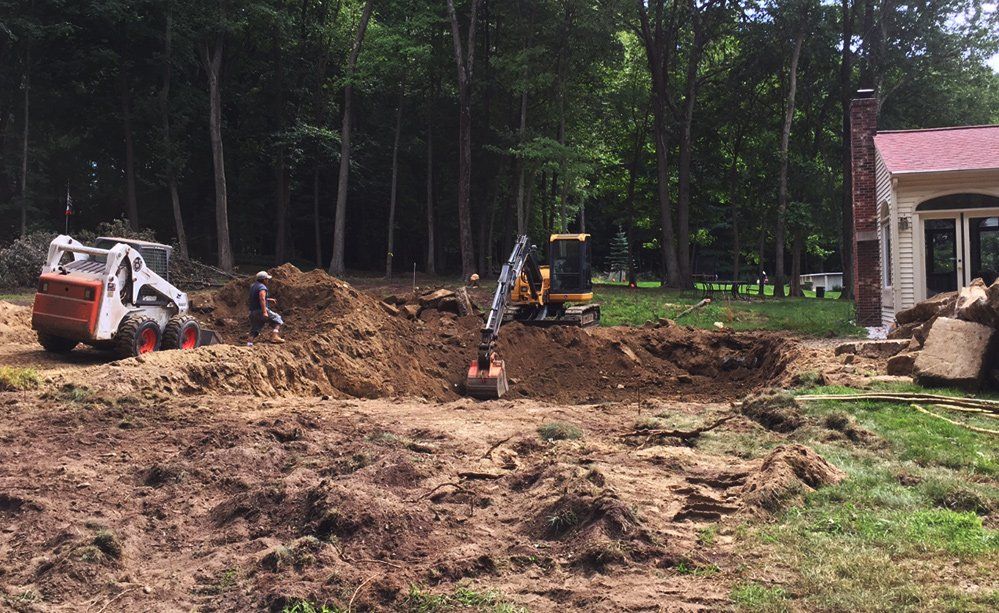
When homeowners search for pool construction near me, the focus is usually on aesthetics—tile, lighting, and water features. However, the decisions made behind the scenes during construction have the biggest impact on long-term operating costs.
Experienced builders like FJV Construction design pools with circulation efficiency as a priority—not an afterthought.
- Proper Pipe Sizing: Larger-diameter plumbing reduces friction and resistance, allowing water to move freely at lower RPMs.
- Streamlined Plumbing Layouts: Fewer turns and shorter pipe runs reduce pressure loss throughout the system.
- Optimized Equipment Placement: Pumps, filters, and heaters are positioned to support consistent, efficient flow.
- Correct Pump Matching: Pumps are selected based on actual pool volume, not oversized “just in case” assumptions.
Energy Efficient Pool Pump Options for Modern Pools
Choosing the right energy efficient pool pump directly impacts long-term operating costs, noise levels, and overall system performance. In fact, ENERGY STAR®–certified pool pumps—including many variable speed models—are designed to use up to 20% less electricity than standard pumps.
Standard Pool Pump: Energy Use and Limitations
Standard single-speed pumps are still found in many older pools, but they offer limited efficiency and control.
- Single-Speed Operation: Runs at one constant, high RPM regardless of task, leading to unnecessary energy use.
- High Pool Pump Energy Consumption: Uses maximum electricity even when full power isn’t needed for basic filtration.
- No Task Optimization: Cannot adjust speed for light filtration versus heavy cleaning.
- Shorter Equipment Lifespan: Constant high-speed operation increases wear on internal components.
Variable Speed Pool Pump: The Energy-Saving Upgrade
A variable speed pump allows homeowners to adjust RPMs based on what the pool actually needs throughout the day.
- Reduced Pool Pump Energy Consumption: Lower RPMs use exponentially less electricity than full-speed operation.
- Task-Based Performance: Low speeds for filtration, higher speeds only when vacuuming or running water features.
- Quieter Operation: Lower speeds dramatically reduce operational noise.
- Extended Equipment Life: Less strain on motors and plumbing over time.
- Smart Automation Compatibility: Easily integrates with timers and smart pool systems.
Pool Filter System for Inground Pool Efficiency
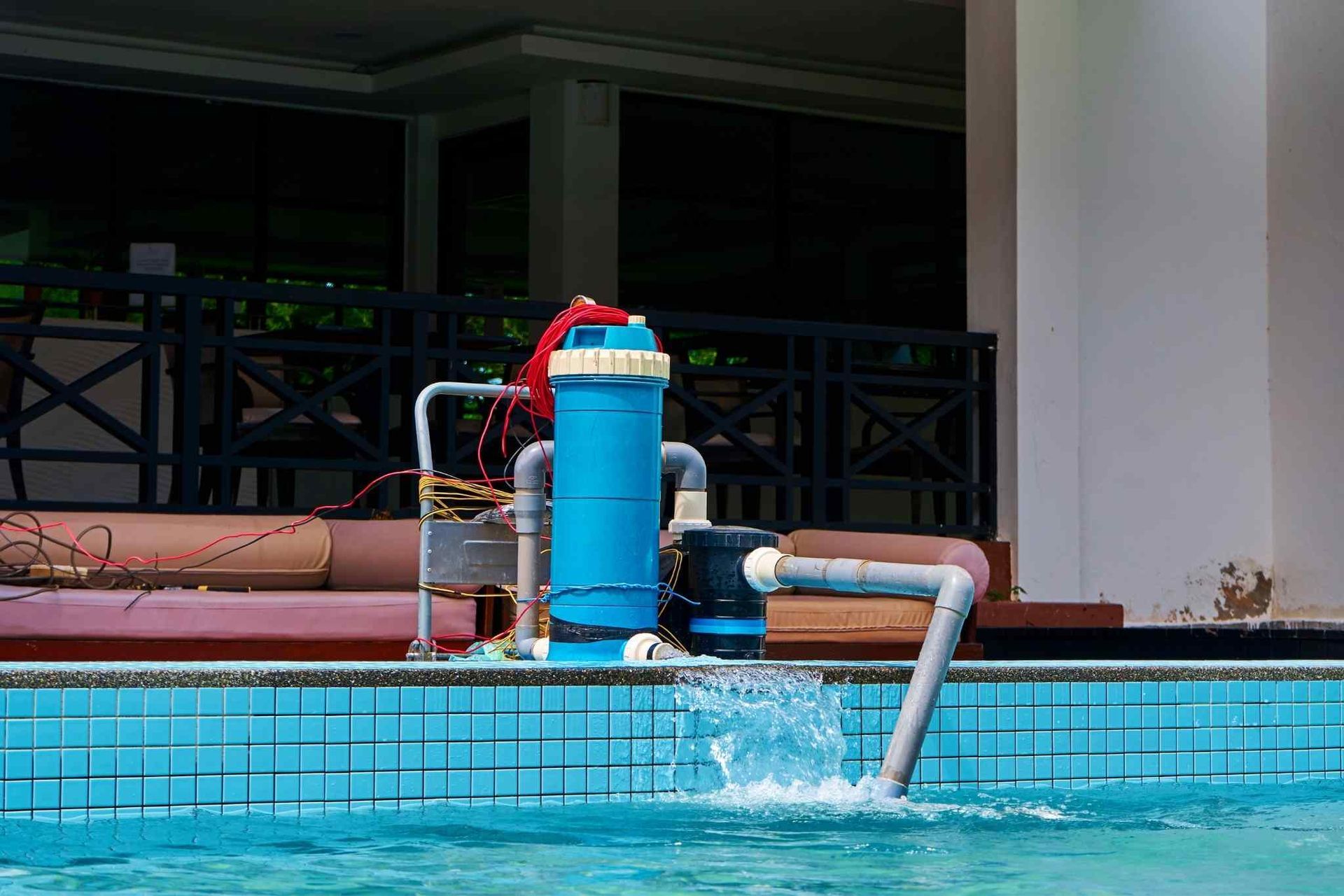
Even the best pump can’t perform efficiently without the right filter. A mismatched or poorly maintained pool filter system for inground pool setups forces the pump to work harder, increasing energy use.
Matching Your Pool Filter System for Inground Pool Performance
When a pool filter system for inground pool is correctly matched and maintained, the pump can run longer at lower speeds—saving energy every hour it operates.
- Cartridge Filters: Offer low resistance and support energy-efficient, low-speed pump operation.
- Flow Rate Compatibility: Filters must be rated to handle the pump’s flow without creating back pressure.
- Clean Filter Media: Dirty or clogged filters increase resistance and spike pool pump energy consumption.
- System Balance: Proper alignment between pump size, filter type, and plumbing ensures optimal circulation.
Choosing the Right Pool Pump for Long-Term Savings
Choosing the right pool pump involves selecting a pump that works efficiently with your pool’s size, layout, and daily use. An oversized pump increases pool pump energy consumption, while an undersized one struggles to maintain proper circulation.
Choosing the Right Pool Pump Based on Pool Size and Usage
A properly sized energy efficient pool pump will maintain clean, balanced water while using significantly less electricity than an oversized alternative. Several factors determine which pump will deliver the best long-term savings:
- Pool Volume: Larger pools require longer circulation times—not necessarily higher horsepower.
- Water Features: Spas, waterfalls, and cleaners may require temporary higher RPMs.
- Frequency of Use: Heavily used pools benefit from flexible speed control.
- Noise Preferences: Variable speed pumps operate far more quietly at low RPMs.
- Plumbing Design: Pipe size and layout affect resistance and efficiency.
How to Calculate Pool Pump Energy Usage and Cost
For many homeowners, inefficient pump operation can quietly add $270 per year to electricity costs. Understanding how to calculate pool pump energy consumption makes it easier to see where savings are being lost—and how upgrades or scheduling changes can reverse that trend.
Calculate Pool Pump Energy Usage and Monthly Cost
Use this simple formula to estimate your costs:
- Daily Energy Use: Pump wattage × hours of operation ÷ 1,000 = kWh
- Daily Cost: kWh × electricity rate
- Monthly Cost: Daily cost × days of operation
For example, running an older pump at high speed during peak hours can cost significantly more than running an energy efficient pool pump at low RPMs during the best time to run pool pump to save energy.
Is It Expensive to Run a Pool Pump 24 Hours a Day?
Whether running a pool pump all day is expensive depends less on how long it runs and more on how efficiently it runs. The type of pump, RPM settings, and electricity rates all directly affect pool pump energy consumption.
What Makes 24/7 Operation Costly—or Efficient
In some cases, a variable speed, energy efficient pool pump running 24/7 at low speed can use less energy overall than a single-speed pump running 8–10 hours a day.
- Single-Speed Pumps: Run at full power at all times, making 24-hour operation extremely expensive and inefficient.
- Variable Speed Pumps: Can operate continuously at very low RPMs while using significantly less electricity.
- RPM Settings Matter: Lower RPMs reduce energy use exponentially, not incrementally.
- Electricity Rates: Running during peak hours dramatically increases cost.
Should You Turn the Pool Pump Off at Night?
In most situations, no—and nighttime is often the most cost-effective time to run it.
Running your pump overnight typically aligns with the best time to run pool pump to save energy, particularly in areas with off-peak electricity pricing.
Why Nighttime Operation Makes Sense
For homeowners using an energy efficient pool pump, overnight operation is often the smartest way to minimize pool pump energy consumption while maintaining clean, healthy water.
- Off-Peak Electricity Rates: Many utility providers charge less overnight.
- Improved Filtration Efficiency: Cooler nighttime water temperatures reduce strain on the system.
- Reduced Evaporation: Lower temperatures help conserve water.
- Consistent Circulation: Continuous low-speed operation helps maintain balanced chemistry.
What Is the Best Schedule to Run a Pool Pump?
The best schedule balances water cleanliness, equipment longevity, and energy savings. For homeowners using a variable speed pump, consistency at low RPMs is far more efficient than short, high-speed cycles.
Recommended Daily Pool Pump Schedule
This approach allows an energy efficient pool pump to do most of the work at its most economical speed.
- Low RPM Filtration (1,700–1,800): Run 10–12 hours daily to achieve full water turnover with minimal pool pump energy consumption.
- Off-Peak Operation: Schedule filtration during overnight or early morning hours to align with the best time to run pool pump to save energy.
- Task-Based High RPM Use: Increase speed briefly for vacuuming, backwashing, or running water features.
- Automated Scheduling: Use timers or smart controls to maintain consistency and avoid unnecessary run time.
What RPM Should I Run My Pool Pump in the Winter?
As temperatures drop, your pool’s circulation needs change. Running summer settings year-round increases pool pump energy consumption without added benefit.
Winter Pump RPM Guidelines
Adjusting RPMs seasonally helps protect your equipment while ensuring you’re still operating during the best time to run pool pump to save energy when circulation is required.
- Lower RPM Operation: Most pools operate efficiently at reduced speeds during colder months.
- Freeze Protection Mode: Pumps may temporarily increase RPMs when temperatures approach freezing to prevent pipe damage.
- Winterized Pools: Fully winterized pools often do not require daily circulation.
- Local Climate Considerations: Connecticut winters vary, making local expertise important when setting winter schedules.
Frequently Asked Questions (FAQs)
Does an energy efficient pool pump really make a noticeable difference in monthly costs?
Yes. An energy efficient pool pump, especially a variable speed model, can significantly reduce pool pump energy consumption by operating at lower RPMs for daily filtration. Many homeowners notice meaningful savings within the first swimming season.
How does my pool filter system for inground pool affect energy usage?
A properly matched pool filter system for inground pool reduces resistance, allowing the pump to run efficiently at lower speeds. Dirty or mismatched filters force pumps to work harder, increasing energy use.
Can poor pool construction increase long-term energy costs?
Absolutely. Poor plumbing design or oversized equipment during pool construction near me projects can increase resistance and pump workload, leading to higher pool pump energy consumption over time.
Do weather and seasons affect the best time to run pool pump to save energy?
Yes. Seasonal temperatures and daylight hours influence circulation needs. Adjusting schedules to match the best time to run pool pump to save energy, especially during off-peak hours, helps reduce costs year-round.
Is professional guidance worth it when upgrading a pool pump?
In most cases, yes. Professionals ensure pump sizing, filter compatibility, and scheduling are optimized—helping homeowners avoid inefficiencies that increase pool pump energy consumption.

Take Control of Your Pool’s Energy Costs With Smarter Pump Settings
Your pool doesn’t have to be an energy drain. With the right design, equipment, and scheduling, homeowners can enjoy crystal-clear water while keeping operating costs under control.
If you’re planning a new pool or searching for pool construction near me with energy efficiency in mind, FJV Construction brings hands-on experience, local expertise, and proven solutions to homeowners in Danbury, CT.
Contact FJV Construction today to discuss energy-efficient pool construction for your property!