Above Ground vs. Inground Pools in Bethel, CT
What’s In This Guide
- What Are the Main Differences Between Above-Ground and Inground Pools?
- Pool Cost Comparison
- Lifespan and Long-Term Value Comparison
- Pool Installation Timeline Comparison
- Comparing Maintenance and Seasonal Care
- Backyard Design and Property Fit Comparison
- Comparing Permits and Site Planning Requirements in Bethel, CT
- Final Recommendation: Which Pool Makes More Sense?
- How to Choose the Right Pool for Your Property
- Frequently Asked Questions
- Ready to Find the Right Pool for Your Bethel Property?
When planning a backyard pool, many homeowners find themselves choosing between an above-ground pool and an inground pool.
Both options offer unique advantages, but differences in cost, installation, maintenance, design flexibility, and long-term value can influence which one is the better fit for a particular property. Understanding how these two pool types compare can help simplify the decision-making process.
Here are the key differences between
above-ground and inground pools in Bethel, CT.
Quick Facts
- Above-ground pools are faster to install than inground pools.
- Inground pools offer more design flexibility than above-ground pools.
- Above-ground pools usually require less excavation and site work.
- Inground pools typically provide stronger long-term value.
- Above-ground pools cause less backyard disruption during installation.
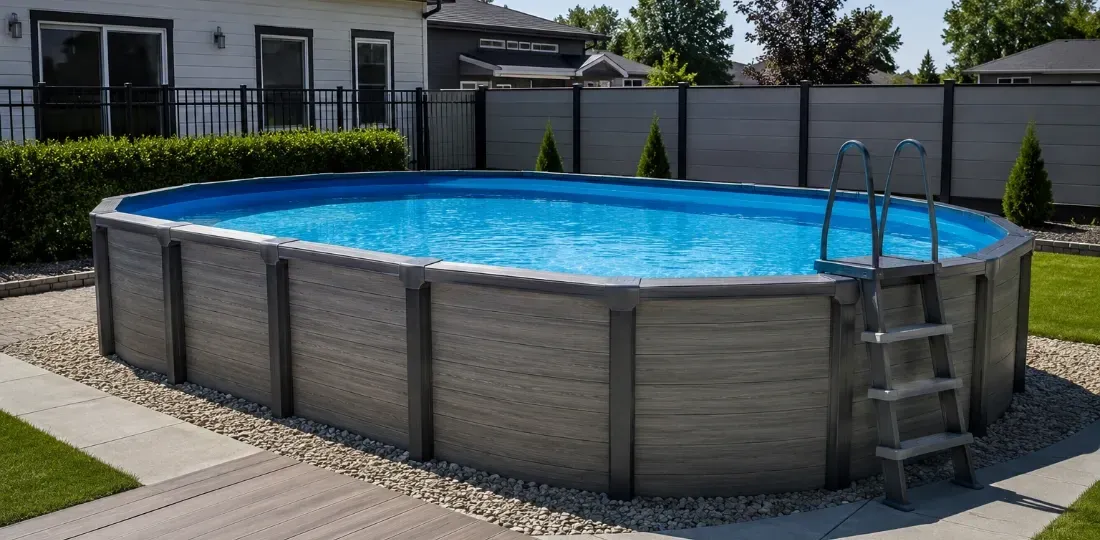
What Are the Main Differences Between Above-Ground and Inground Pools?
Above-ground pools prioritize affordability and faster installation. Inground pools prioritize customization, durability, and long-term property value. Pool selection depends on homeowner priorities, available budget, and intended length of ownership.
The most significant distinction involves construction methods.
| Comparison Factor |
Above-Ground Pool |
Inground Pool |
| Construction method |
Surface-mounted structure |
Excavated, built-in structure |
| Typical cost |
Lower upfront investment |
Higher upfront investment |
| Installation timeline |
Days to a few weeks |
Several weeks to a few months |
| Site preparation |
Minimal ground leveling |
Excavation, grading, and drainage work |
| Yard disruption |
Less property disturbance |
More property disturbance |
| Customization |
Limited design options |
More shapes, finishes, and features |
| Lifespan |
Shorter service life |
Longer service life |
| Long-term value |
Better for short-term affordability |
Better for long-term property planning |
| Maintenance needs |
Regular care with simpler access |
Regular care with more permanent systems |
| Landscaping fit |
Works with decks and basic landscaping |
Better integration with patios and outdoor living areas |
Pool Cost Comparison
Above-ground pools cost less and install faster. Inground pools require a larger investment but provide more durability, customization, and long-term value for many Bethel homeowners
.
For homeowners comparing backyard pool options, cost is usually the first deciding factor. Above-ground pools provide a lower-cost way to add a swimming pool without major excavation. Inground pools involve more construction, permitting, labor, and site preparation.
The main cost differences usually come from:
- Yard slope and grading requirements
- Soil conditions and drainage challenges
- Pool size and shape
- Excavation requirements
- Decking and patio construction
- Utility relocation or upgrades
- Local permits and inspections
Properties with steep grades or drainage issues may need additional site work before construction begins. For homeowners considering inground pool installation in Bethel, CT, a site assessment helps clarify the total project cost beyond the pool itself.
Lifespan and Long-Term Value Comparison
Inground pools generally last longer than above-ground pools. Above-ground pools offer a lower upfront cost, but shorter service life can affect long-term value.
Most above-ground pools provide many years of use with proper maintenance. Liners, walls, frames, and support systems may need replacement over time.
Inground pools are built as permanent structures. Concrete, fiberglass, and vinyl liner systems are designed for longer ownership periods.
Long-term value depends on:
- Structural durability
- Repair frequency
- Maintenance costs
- Backyard functionality
- Buyer appeal
- Property improvement goals
Pool Installation Timeline Comparison
Installation timelines vary significantly between above-ground and inground pools. Above-ground pools can often be completed within days, while inground pools typically require several weeks or longer due to excavation, permitting, and site preparation. Many homeowners consult inground pool companies in Bethel, CT, early in the planning process to better understand project timelines and site requirements.
| Project Stage |
Above-Ground Pool |
Inground Pool |
| Site Preparation |
Minimal ground leveling |
Excavation, grading, and drainage work |
| Permit Process |
May be required depending on size and location |
Commonly required before construction begins |
| Installation Time |
Days to a few weeks |
Several weeks to a few months |
| Landscaping Impact |
Minimal disruption |
Often requires landscape restoration |
| Construction Complexity |
Lower |
Higher |
| Time Until Use |
Faster |
Longer |
Several factors can affect the timeline for either pool type:
- Yard slope and drainage conditions
- Permit approval schedules
- Utility location and relocation requirements
- Pool size and design complexity
- Weather conditions
- Decking, patio, or landscaping additions
Comparing Maintenance and Seasonal Care
Both pool types require regular maintenance. Connecticut weather makes seasonal opening, closing, and winter protection important for above-ground and inground pools.
Routine maintenance usually includes:
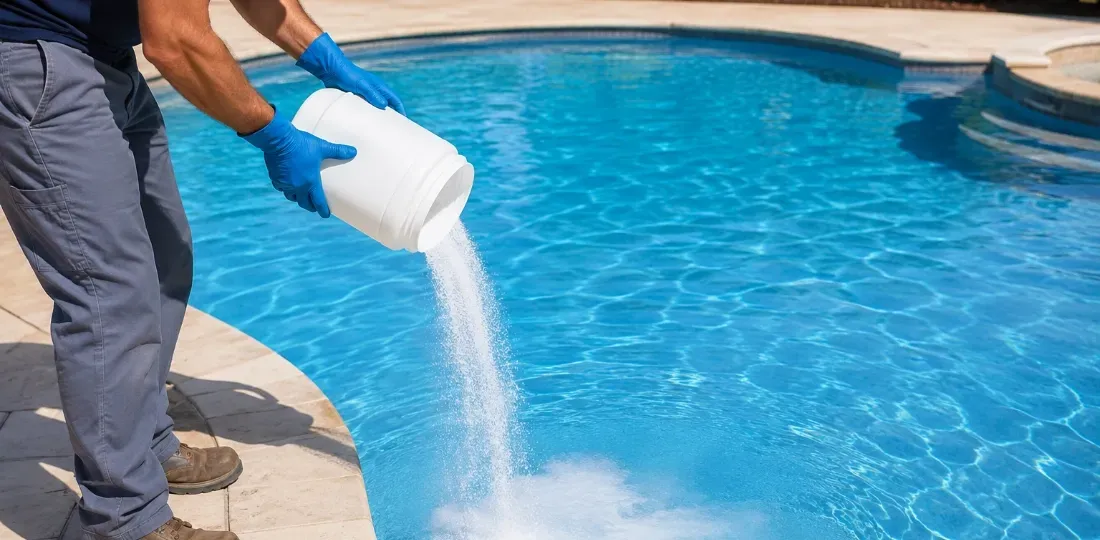
- Water chemistry testing
- Sanitizer management
- Debris removal
- Filter cleaning
- Equipment inspections
- Seasonal opening and closing
Seasonal Pool Care Checklist
Spring
- Remove winter covers
- Clean pool surfaces
- Balance water chemistry
- Inspect equipment
Summer
- Test water regularly
- Monitor filtration systems
- Remove debris
- Maintain sanitizer levels
Fall
- Manage leaves and organic debris
- Inspect pumps and filters
- Prepare for seasonal closing
Winter
- Winterize plumbing systems
- Protect equipment from freezing temperatures
- Install winter covers
Backyard Design and Property Fit Comparison
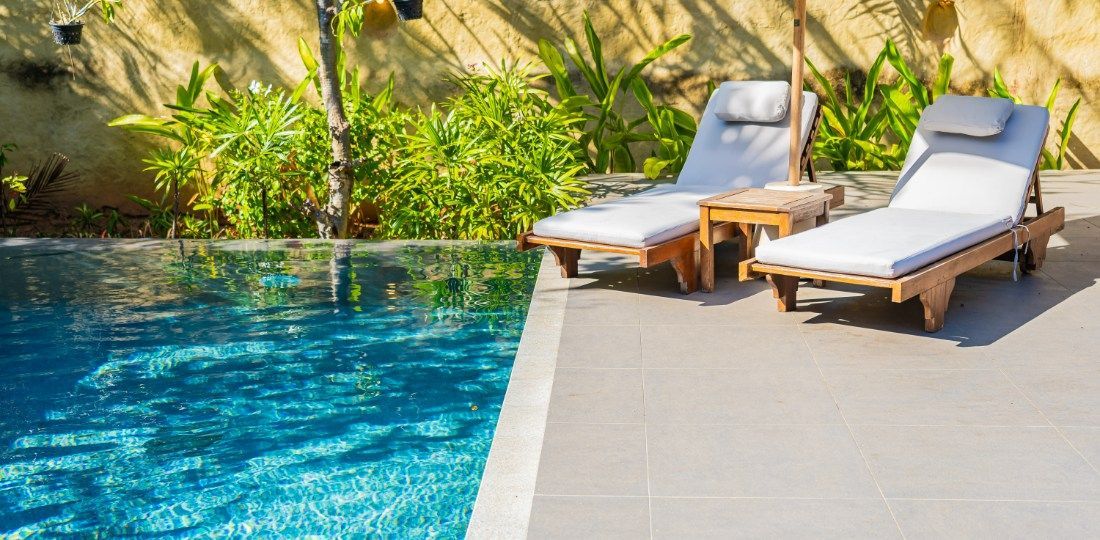
Inground pools offer more design flexibility. Above-ground pools offer a simpler setup with less disruption to the property.
An
inground pool can integrate with patios, landscaping, retaining walls, lighting, and outdoor living areas. Above-ground pools can work well with decks, fencing, and basic landscape upgrades.
The best fit depends on:
- Available yard space
- Property grade
- Drainage conditions
- Desired appearance
- Long-term ownership plans
- Entertainment goals
Homeowner Goal
Best Pool Type
Lower upfront budget
Above-ground pool
Faster installation
Above-ground pool
Less excavation
Above-ground pool
Shorter-term use
Above-ground pool
Simpler backyard setup
Above-ground pool
Long-term backyard upgrade
Inground pool
Custom outdoor living design
Inground pool
Stronger resale appeal
Inground pool
More durable construction
Inground pool
Better integration with patios and landscaping
Inground pool
Comparing Permits and Site Planning Requirements in Bethel, CT
Both above-ground and inground pools may require permits, but inground pools typically involve more extensive planning, inspections, and site preparation.
| Factor |
Above-Ground Pool |
Inground Pool |
| Permit Requirements |
May require permits depending on size and location |
Commonly requires permits and inspections |
| Excavation |
Usually not required |
Required |
| Drainage Planning |
Minimal to moderate |
Often more extensive |
| Construction Complexity |
Lower |
Higher |
| Installation Disruption |
Less property disturbance |
More property disturbance |
Final Recommendation: Which Pool Makes More Sense?
The right pool depends on your budget, property goals, and how you plan to use your backyard. Some homeowners prioritize affordability and speed, while others focus on long-term value and customization.
Choose an Above-Ground Pool If...
An above-ground pool is often the better option for homeowners who want a lower upfront investment and a faster installation process.
- Budget is the primary concern.
- You want the fastest installation timeline.
- Minimal excavation is preferred.
- The pool is intended for shorter-term use.
- Extensive customization is not a priority.
- You want less disruption to the existing backyard.
Choose an Inground Pool If...
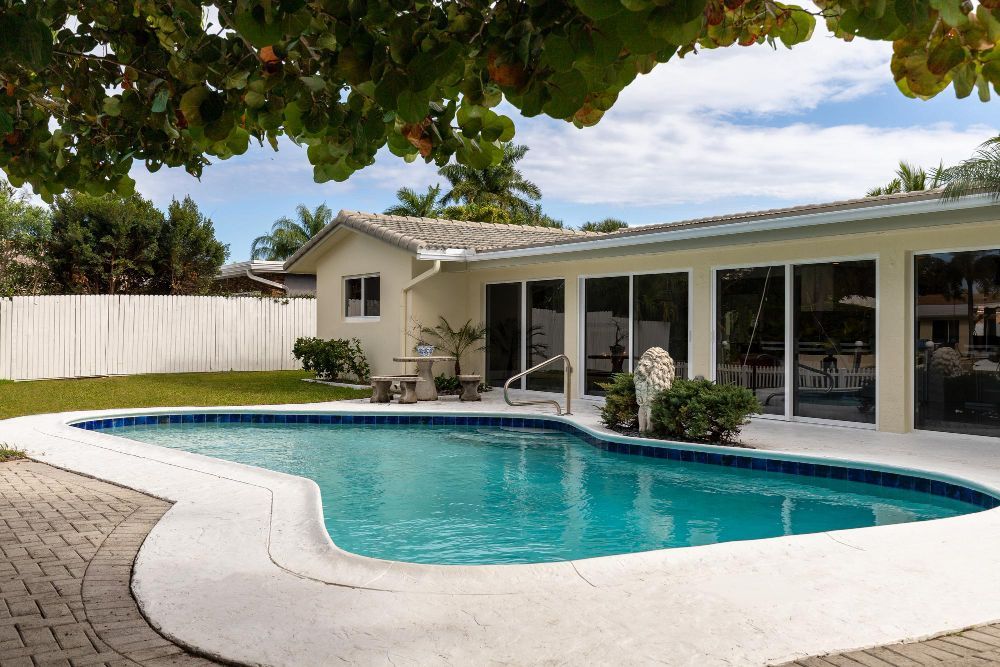
An inground pool is often the better choice for homeowners looking for a permanent backyard upgrade with more design flexibility. Among the available backyard pool options, inground pools are typically preferred for long-term enjoyment, aesthetics, and outdoor living improvements.
- You plan to stay in the home long term.
- Backyard aesthetics are a major priority.
- Custom features and layouts are important.
- Outdoor entertaining is a key goal.
- You want stronger resale appeal.
- You are creating a larger outdoor living space with patios, landscaping, or other permanent features.
➤ READ NEXT:
How Long Do Inground Pools Really Last? A Breakdown by Pool Type
How to Choose the Right Pool for Your Property
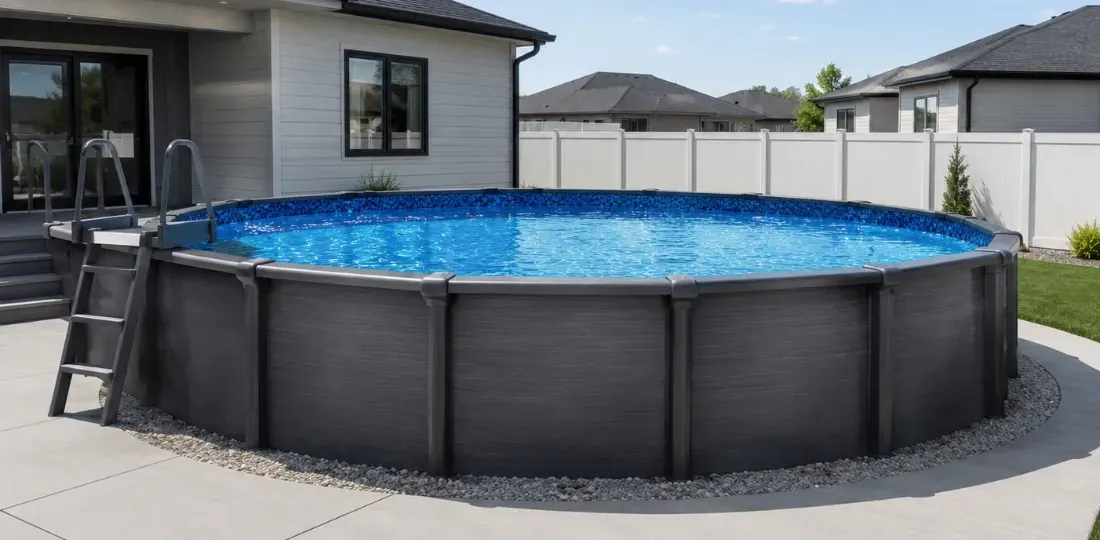
Choosing between an above-ground and inground pool requires more than comparing upfront costs. Budget, property conditions, long-term plans, and desired features all influence which option makes the most sense. Using a structured decision-making process can help narrow down the best fit for your backyard and lifestyle.
Step 1: Establish a Budget
Budget sets the realistic pool options. Include installation, landscaping, maintenance, equipment, and future repairs. Above-ground pools usually cost less upfront, while inground pools require a larger long-term investment.
Consider:
- Installation costs
- Landscaping costs
- Maintenance costs
- Future repair expenses
Step 2: Evaluate Long-Term Ownership Goals
Ownership timeline affects pool value. Long-term homeowners may prioritize durability, customization, and resale appeal. Shorter-term homeowners may prioritize affordability and faster installation.
Questions to consider:
- How long will ownership continue?
- Will outdoor entertaining be a priority?
- Will future resale value matter?
Step 3: Assess Yard Conditions
Yard conditions affect cost and feasibility. Slope, drainage, access, and available space can limit or expand pool options. A site evaluation is especially useful before planning inground pool installation in Bethel, CT.
Evaluate:
- Yard slope
- Drainage
- Accessibility
- Available space
Step 4: Determine Desired Features
Custom features often favor inground pools. Above-ground pools work better for simpler backyard pool options. Many inground pool companies in Bethel, CT, can help plan features that connect the pool with patios and landscaping.
Desired features may include:
- Waterfalls
- Tanning ledges
- Integrated patios
- Custom shapes
- Lighting systems
Frequently Asked Questions
Do above-ground and inground pools use the same filtration systems?
Both pool types use filtration systems to keep water clean, but equipment configurations may differ. Pump size, filter type, and plumbing layouts often vary based on pool size and design.
Which pool type is better for families with children?
Both pool types can be suitable for families when proper safety measures are in place. Factors such as fencing, covers, gates, and supervision are more important than the pool type itself. The best choice depends on the family's needs, budget, and available space.
Can a pool be installed in a small backyard?
Many small backyards can accommodate a pool with proper planning. Available space, property setbacks, and access points often influence the design options. Compact above-ground and inground pool models are available for smaller properties.
Are pools difficult to insure?
Insurance requirements vary by provider and property. Some insurance companies may require specific safety features such as fencing, self-closing gates, or pool covers. Homeowners should review coverage details before beginning a pool project.
What safety features should homeowners consider?
Common
pool safety features include fencing, self-latching gates, pool covers, alarms, and proper lighting. Local regulations may require certain safety measures depending on the pool type and location.
Ready to Find the Right Pool for Your Bethel Property?
Choosing between an above-ground and inground pool starts with understanding your budget, property conditions, and long-term goals. FJV Construction helps Bethel homeowners evaluate site requirements, compare pool options, and plan outdoor spaces that fit their needs.
Contact FJV Construction to discuss your project and explore the best pool solution for your backyard.