
Pool Shock Treatment: When Can You Swim & Get Help
Quick Facts
- Wait 8 to 24 hours after chlorine shock, or until the water tests safe.
- Non-chlorine shock usually allows swimming within 15 to 30 minutes.
- Always test chlorine and pH before getting back in the pool.
- Cloudy water means the pool needs more filtration, testing, or treatment.
- Professional help is useful when algae, cloudiness, or chemical imbalance keep returning.
What’s In This Guide
Pool owners are often told to “shock the pool,” but far fewer understand what that means for swimmer safety. The timing matters more than most realize. Entering the water too soon after a shock treatment can expose swimmers to high chlorine levels that irritate skin, eyes, and lungs.
The general rule is simple: wait at least 8 to 24 hours after chlorine-based shock, or until free chlorine drops to 1–3 ppm and pH is balanced at 7.4–7.6. For non-chlorine shock, the wait can be as short as 15 to 30 minutes.
Understanding how long to wait after shocking the pool to swim is not just about convenience. It is about protecting your health and maintaining water quality.
Here’s what you need to know about when it is safe to swim, how to check your pool, and when to call in professional help.
What Is Pool Shock Treatment?
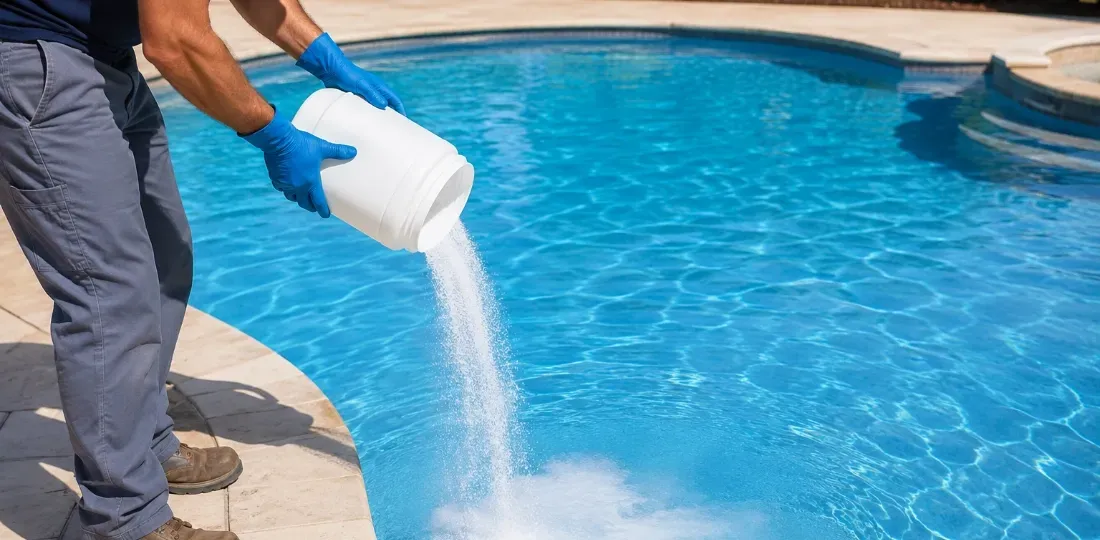
Shocking a pool means adding a concentrated dose of sanitizer, typically chlorine or a chlorine alternative, to quickly eliminate contaminants. This includes bacteria, algae, and organic waste that regular filtration cannot fully remove.
Why Homeowners Shock Their Pools
Most homeowners perform shock treatments to restore water quality after:
- Heavy pool usage
- Rainstorms or debris contamination
- Visible algae growth
- Routine maintenance cycles
According to the Centers for Disease Control and Prevention (CDC), proper disinfection is
critical to preventing recreational water illnesses, especially in residential pools.
Types of Pool Shock
- Cal-hypo shock: Best for algae or strong weekly treatment. Use it at night and wait at least 8 hours before swimming. In saltwater pools, it may raise calcium hardness and cause scale buildup.
- Dichlor shock: Good for weekly use and algae issues, especially in saltwater pools. It will not cause scale buildup, but it can raise cyanuric acid levels. You can use it during the day, but still wait at least 8 hours.
- Non-chlorine shock: Best for routine maintenance or quicker swimming after shocking pool water. It usually lets you swim sooner, but it is not strong enough for major algae problems.
When Can You Swim After Shocking a Pool?
The time it takes before swimming is safe depends on the type of shock used and the current water conditions.
Standard Waiting Times
- Chlorine Shock: 8 to 24 hours, often overnight
- Non-Chlorine Shock: 15 to 30 minutes
Why Waiting Matters
Swimming too soon after treatment can lead to:
- Skin irritation and dryness
- Eye redness and discomfort
- Respiratory irritation from chemical exposure
- Fading or damage to swimsuits
If you are wondering how long to swim after shocking the pool, the safest answer is always to test the water rather than rely on time alone.
Step-by-Step: How to Safely Shock Your Pool
Step 1: Test Current Water Chemistry
Check chlorine, pH, and alkalinity before adding shock so you know what your pool actually needs. This helps prevent over-shocking and makes it easier to choose the right product and dosage.
Step 2: Choose the Right Shock Type
Use chlorine shock for algae, bacteria, or heavy contamination. Use non-chlorine shock for routine maintenance when the water is already clear. The right choice affects both cleaning strength and how soon swimming after shocking pool water may be safe.
Step 3: Add Shock at the Right Time
Evening is best because sunlight breaks down chlorine before it can fully work. Add the product according to the label, and spread it as directed so it circulates evenly instead of settling in one area.
Step 4: Run the Pool Filter
Keep the filter running for 8 to 12 hours to move the treatment throughout the pool. Good circulation helps the shock reach corners, steps, and deeper areas while also removing dead algae and fine particles.
Step 5: Wait, Then Retest
Follow the label’s wait time, then retest before swimming. This is the best way to determine how long to wait after shocking the pool to swim, since shock type, dosage, sunlight, and water conditions can all change the timeline.
Factors That Affect Wait Time
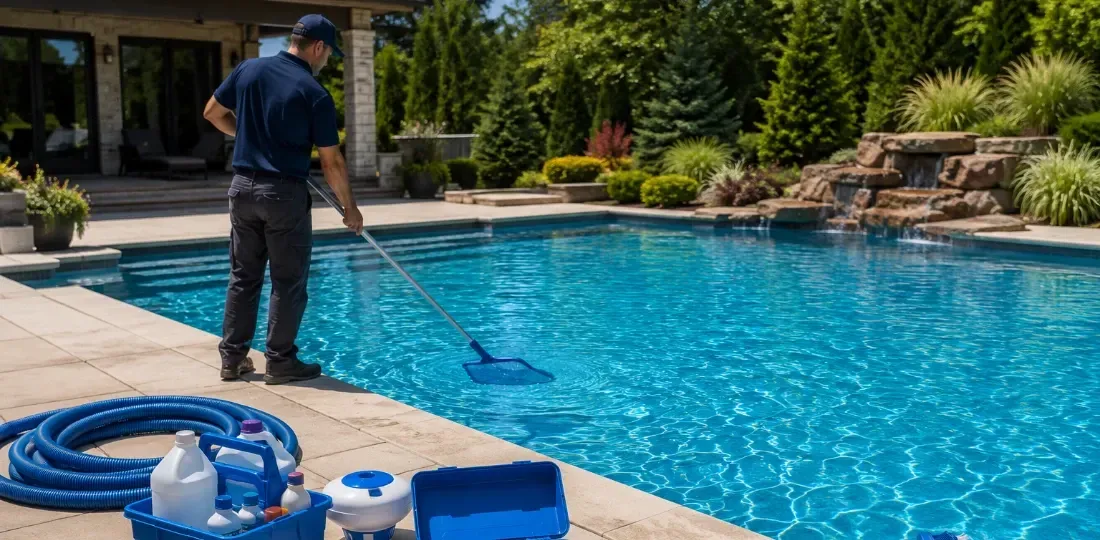
When determining wait time after a shock treatment, timing is not always exact. Several conditions can influence how quickly your water returns to safe levels.
Type and Quantity of Shock Used
Stronger chlorine-based products and higher doses will take longer to dissipate. This directly affects how long to swim after shocking pool water, especially after heavy treatments.
Pool Size and Water Volume
Larger pools dilute chemicals more, which can slow or stabilize changes in chlorine levels. Smaller pools may see faster fluctuations, requiring closer monitoring before swimming.
Air and Water Temperature
Warmer temperatures speed up chemical reactions and chlorine breakdown. Cooler conditions may extend the time needed before it is safe for swimming after shocking pool water.
Sun Exposure
Sunlight naturally reduces chlorine levels over time. Pools exposed to more direct sunlight may reach safe levels faster compared to shaded pools.
Filtration Efficiency
A well-functioning filtration system helps circulate and break down chemicals evenly. Poor circulation can delay the process and affect how long you need to wait after shocking the pool before swimming.
When to Get Help from Swimming Pool Companies Near Me
While many homeowners handle routine maintenance, some pool issues require expert attention. Knowing when to seek help can prevent ongoing problems and reduce the risk of unsafe water conditions.
Persistent Algae That Returns After Treatment
If algae keeps coming back even after shocking a pool, it may indicate deeper chemical imbalances or circulation issues. A professional can diagnose the root cause and apply the correct treatment.
Cloudy Water That Does Not Clear
Water that stays cloudy despite proper filtration and chemical use often points to hidden contaminants or improper balance. This is a common reason homeowners search for swimming pool companies nearby for accurate testing and solutions.
Chemical Levels That Remain Unstable
If chlorine or pH levels fluctuate frequently, it can make it difficult to maintain safe swimming conditions. Ongoing instability may require professional adjustments and system checks.
Uncertainty About Proper Dosing or Testing
If you are unsure how to measure or apply chemicals, mistakes can lead to over-treatment or unsafe water. Getting expert guidance ensures your pool stays balanced and safe for use.
Benefits of Professional Pool Services
Professional pool services provide a higher level of precision and consistency that can be difficult to achieve with DIY maintenance. When issues become complex, expert support helps restore balance faster and keeps your pool safe for regular use.
Accurate Water Analysis
Professionals use advanced testing tools to measure chlorine, pH, and other chemical levels with greater accuracy. This helps determine exactly how long to wait after shocking the pool before you swim based on actual water conditions.
Proper Chemical Application
Applying the correct type and amount of chemicals is critical for safe results. Experts ensure treatments are balanced, reducing the risk of irritation or damage caused by improper dosing.
Faster Resolution of Complex Issues
Persistent problems like algae or cloudy water can take longer to fix without experience. Many homeowners turn to swimming pool companies near them when standard treatments are not working.
Preventative Maintenance Planning
Professionals can create a consistent maintenance schedule based on your pool’s usage, environment, and condition. This helps prevent recurring issues and keeps water balanced throughout the season.
Reduced Risk of Damage or Over-Treatment
Overusing chemicals can harm pool surfaces, equipment, and water quality. Professional care helps prevent costly mistakes while maintaining a safe and consistent swimming environment.
Frequently Asked Questions
How often should a pool be shocked?
Most pools benefit from shocking once a week during peak use, though frequency can vary based on usage and weather. Heavy swimmer activity, storms, or visible algae may require more frequent treatment. Regular shocking helps prevent the buildup of contaminants. Consistency is more important than overuse.
Can weather affect how a pool responds to shock?
Yes, weather plays a role in how effective shock treatments are. Rain can introduce contaminants, while heat and sunlight can break down chlorine more quickly. Cooler temperatures may slow chemical reactions. These factors can influence how long it takes for water to return to safe levels.
Is it safe to shock a pool during the day?
It is possible, but not ideal for most chlorine-based products. Sunlight reduces chlorine effectiveness, which can make the treatment less efficient. Evening application is generally preferred for better results. Always follow product instructions for best outcomes.
Can pool shock expire?
Yes, pool shock can lose effectiveness over time, especially if it is stored improperly. Moisture, heat, and direct sunlight can break down the chemicals before use. Always store shock products in a cool, dry area with the container sealed tightly. Check the packaging for expiration or storage recommendations.
What are the signs your pool needs to be shocked?
Common signs include cloudy water, strong chlorine odor, or visible algae. Increased swimmer use or recent storms can also indicate the need for treatment. Regular testing can help identify when levels are off. Addressing these signs early prevents bigger issues.
Keep Your Pool Safe and Swim-Ready
Understanding proper wait times after shocking your pool helps protect your family and keeps your water in top condition. Safe swimming depends on proper timing, accurate testing, and consistent maintenance. While many homeowners handle routine care themselves, more complex issues can benefit from expert support.
If you are dealing with persistent water problems or want professional guidance, FJV Construction offers reliable expertise to
help homeowners in Danbury, CT, maintain safe and enjoyable pools.
Contact FJV Construction today for expert help keeping your pool clean, safe, and swim-ready.