
Saltwater vs. Chlorine Pools: Which Is Better for CT Homeowners?
What’s In This Guide
- Which Pool System Is Actually Better?
- Why This Decision Matters for Comfort, Cost, and Long-Term Performance
- How Saltwater and Chlorine Pools Actually Work
- Saltwater vs. Chlorine Pools: Side-by-Side Comparison
- Signs a Saltwater System Fits Your Pool Better
- Signs a Chlorine System Fits Your Pool Better
- How to Decide Between Saltwater and Chlorine: A Step-by-Step Planning Checklist
- What Affects the Cost of a Saltwater System or Conversion
- Seasonal and Connecticut-Specific Considerations
- When to Call a Pool Professional
- Frequently Asked Questions
- Ready to Decide Between Saltwater and Chlorine for Your Danbury Pool?
Choosing between pool water systems before pool construction begins or before starting a renovation shapes how much time and money a homeowner spends on their pool for years to come. Both saltwater pools and traditional chlorine pools keep water safe to swim in, but they achieve this through different methods, costs, and upkeep demands.
For homeowners in Danbury, CT, the right answer depends on budget, skin sensitivity, equipment tolerance, and how the pool holds up through Connecticut's freeze-thaw winters.
Quick Facts
- Saltwater systems typically run around $100 annually for salt and chemicals, compared to $300 to $800 per year for traditional chlorine pool chemicals.
- The CDC recommends keeping pool pH between 7.0 and 7.8 regardless of which system a homeowner chooses.
- Salt exposure can increase corrosion risk for susceptible metal fixtures and may affect some stone coping materials.
- Connecticut winters make proper off-season shutdown a factor for both systems, not just saltwater ones.
- Saltwater pools generate chlorine automatically on-site, offering a softer feel on skin and eyes than traditional chlorine pools.
Which Pool System Is Actually Better?
Neither system is universally superior. When evaluating saltwater pools in CT, homeowners find they typically cost around $100 annually for salt and chemicals, compared to $300 to $800 per year for traditional chlorine pool chemicals. While salt chlorine generators require less manual dosing, both systems require regular water testing and routine chemical adjustments to maintain balanced pool water. The right choice depends on whether a homeowner prioritizes lower ongoing chemical costs or a lower initial investment.
Both systems ultimately rely on chlorine to disinfect the water. A salt chlorine generator produces it on-site through electrolysis, while a traditional chlorine pool gets it from tablets, liquid, or granules added by the homeowner or a service technician.
Why This Decision Matters for Comfort, Cost, and Long-Term Performance
The sanitizing system a homeowner chooses affects more than water clarity. It influences skin and eye comfort, the lifespan of pool equipment, swimsuit wear, and how much routine maintenance falls on the homeowner versus a service provider.
Some swimmers find properly maintained saltwater pools gentler on the skin and eyes. However, irritation in either system can be affected by chlorine concentration, pH, and chloramine levels.
Equipment compatibility requires more attention with saltwater systems. Salt exposure can increase corrosion risk for metal ladders, handrails, heaters, and light fixtures that are not rated for saltwater exposure, potentially shortening component life and increasing repair costs.
Budget predictability depends on the homeowner's priorities. Saltwater systems shift spending toward a larger upfront investment and periodic cell replacement, while chlorine systems spread cost out through regular chemical purchases.
How Saltwater and Chlorine Pools Actually Work
Saltwater Pools: What Happens Beneath the Surface
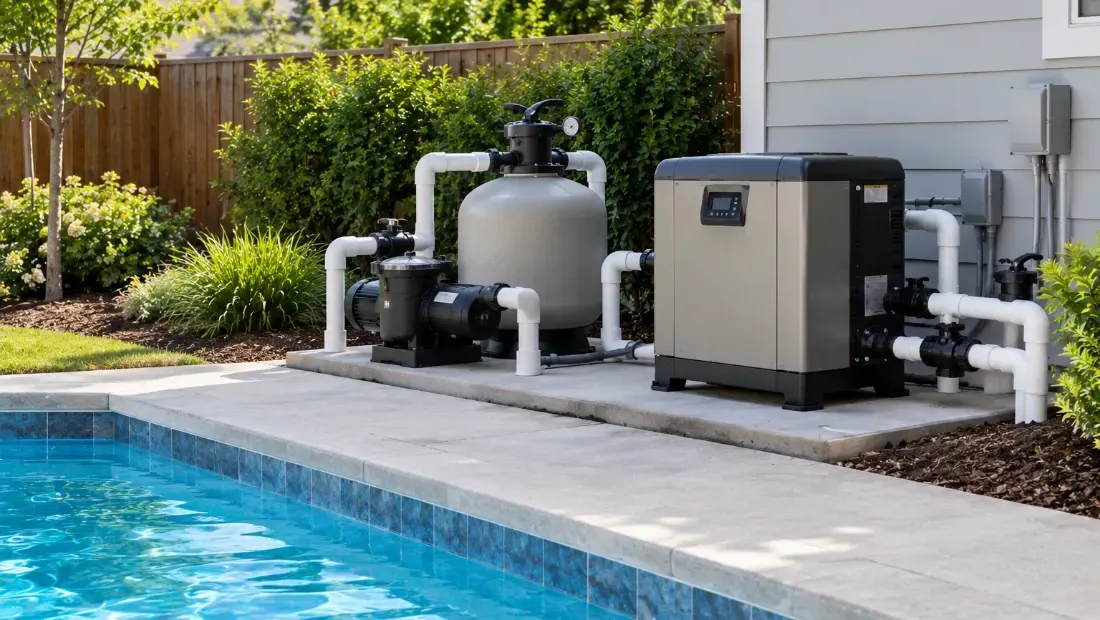
A salt chlorine generator uses dissolved pool-grade salt in the water to produce free chlorine through electrolysis inside the cell. As water flows through the generator, the chlorine sanitizes the pool and eventually reverts to sodium chloride, allowing the cycle to repeat while the system operates.
Because the system generates chlorine automatically, saltwater pool owners perform less manual dosing. They still monitor pool chemical balance, including pH, alkalinity, and stabilizer levels, but they avoid routinely handling tablet or liquid chlorine.
Chlorine Pools: The Traditional Approach
Standard chlorine pool maintenance requires adding sanitizer directly to the water via tablets, liquid, or granular shock. This offers direct control over chlorine levels but demands frequent monitoring, as chlorine depletes quickly from sunlight exposure, swimmer usage, and organic debris.
Chlorine pools may need shock treatment when chloramines build up or after certain contamination events. Chloramines contribute to the strong "chlorine" smell and can irritate the eyes and skin.
For both saltwater and traditional chlorine pools, maintaining the
CDC-recommended pH range of 7.0 to 7.8 helps support swimmer comfort and effective chlorine disinfection.
Saltwater vs. Chlorine Pools: Side-by-Side Comparison
| Factor | Saltwater Pool | Chlorine Pool |
|---|---|---|
| Installation cost | Higher, due to salt chlorine generator equipment | Lower, standard chlorination equipment |
| Annual sanitizing cost | Around $100 per year for salt and chemicals | $300 to $800 in chlorine pool chemicals |
| Feel on skin and eyes | Often feels softer due to continuous low-level chlorine generation | Can dry skin and irritate eyes if chloramines build up or pH fluctuates |
| Equipment corrosion risk | Slightly higher for non-salt-rated metal components and porous stone | Lower, provided water chemistry remains balanced |
| Maintenance style | Less frequent manual dosing | Regular manual chemical additions |
| Repairs | May require professional service for salt cell or electrical issues | Routine chemical adjustments are often DIY, but equipment or electrical repairs may require professional service |
| Electricity use | Slightly higher, due to the generator | Slightly lower |
| May require professional service for salt cell or electrical issues | ||
| Slightly higher, due to the generator |
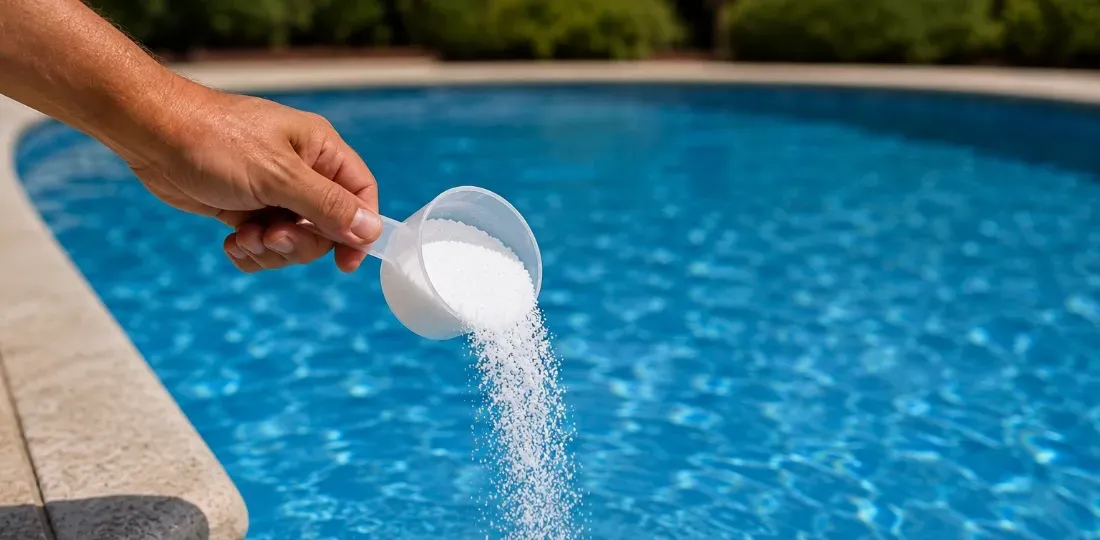
Signs a Saltwater System Fits Your Pool Better
- Sensitivity to traditional chlorine chemical handling or high chloramine levels
- A preference for less manual chlorine handling and more consistent chlorine generation
- Willingness to pay more upfront for lower routine maintenance
- A pool built with saltwater-rated fixtures, ladders, and lighting
Signs a Chlorine System Fits Your Pool Better
- Lower installation budget with more flexibility for ongoing costs
- Existing pool equipment or metal fixtures not rated for saltwater exposure
- A preference for handling routine testing and chemical dosing yourself
- Comfort with a more hands-on weekly maintenance routine
How to Decide Between Saltwater and Chlorine: A
Step 1: Review Your Existing Equipment
Check whether current ladders, heaters, lights, and coping are saltwater-compatible before assuming a straightforward conversion. Non-rated components may need replacement, which adds to the project cost.
Step 2: Compare Upfront Costs Against Long-Term Costs
Weigh the higher installation cost of a salt chlorine generator against the lower annual chemical spending it typically delivers over several years of ownership.
Step 3: Factor In Connecticut's Seasonal Shutdown
Both systems require proper winterization before Connecticut's freeze-thaw cycle sets in. Salt chlorine generator cells and plumbing lines need draining and protection, similar to standard chlorine equipment.
Step 4: Test Your Source Water
Connecticut groundwater is generally naturally acidic due to local soils and bedrock, so homeowners using well water should test source-water pH before balancing the pool.
Step 5: Talk to a Local Pool Professional Before Committing
A contractor familiar with Connecticut soil, well water conditions, and code-sensitive equipment requirements can confirm whether a new build or an existing pool is a realistic fit for conversion.
READ MORE:
How to Lower pH in Pool Without Chemicals
What Affects the Cost of a Saltwater System or Conversion
Costs for installing a salt chlorine generator or converting an existing pool vary by pool size, current equipment condition, electrical requirements, and site accessibility. A pool with saltwater-incompatible fixtures typically costs more to convert than one built with compatible materials from the start.
Factors that influence the estimate include:
- Pool size and existing filtration capacity
- Condition and material of current ladders, lights, and heaters
- Electrical work needed to support the generator
- Site accessibility for equipment delivery and installation
- Whether the project is new construction or a retrofit
Every property is different, and a firm number only comes from an on-site assessment.
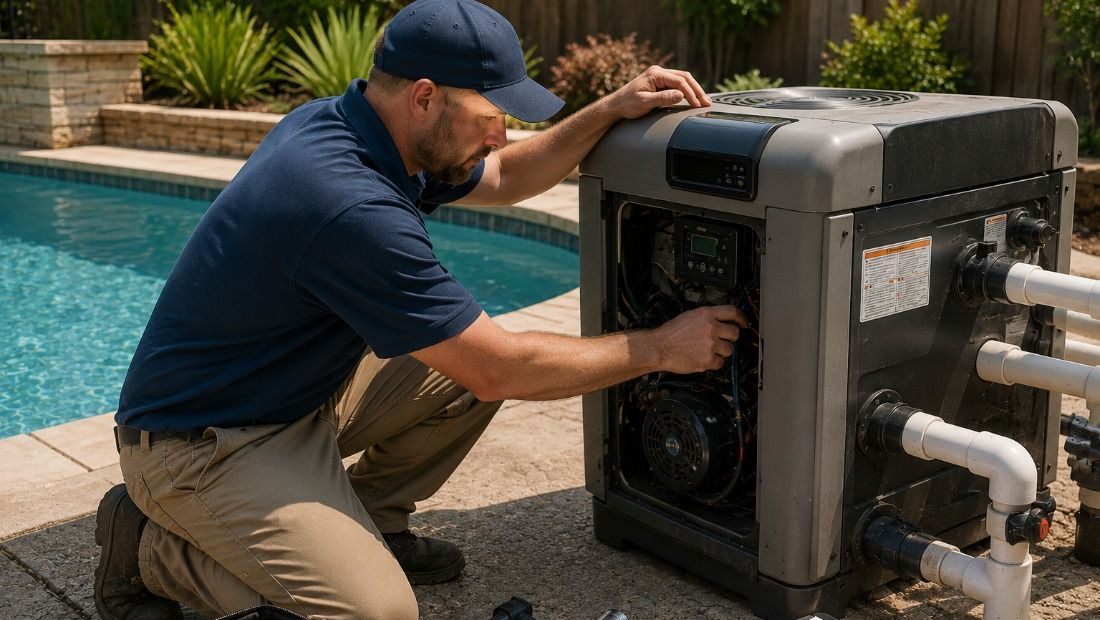
Seasonal and Connecticut-Specific Considerations
Connecticut's cold winters mean both saltwater and chlorine pools need a proper seasonal shutdown, including draining lines, protecting the salt cell or standard equipment from freeze damage, and maintaining proper pool chemical balance before closing.
Groundwater in Connecticut
is generally naturally acidic because of surrounding soils and bedrock, so pH may require monitoring and adjustment regardless of the sanitizing system in use. Testing source water before opening season helps homeowners avoid early-season chemical swings.
When to Call a Pool Professional
Some situations call for a qualified pool contractor rather than a DIY fix:
- Chlorine or pH readings that will not stabilize after repeated adjustment
- A salt chlorine generator cell that shows scale buildup, low output, or error codes
- Visible corrosion on ladders, handrails, heaters, or coping
- Planning a new pool build or evaluating whether an existing pool can support a saltwater conversion
- Any electrical work tied to installing or servicing a salt chlorine generator
A pool contractor familiar with Connecticut's climate and local water conditions can evaluate the specific setup and recommend a system that fits the property, not just a generic answer.
Frequently Asked Questions
How much salt does a saltwater pool need?
Salt requirements depend on the generator manufacturer and pool volume. For example, Hayward's Salt & Swim 3C specifies an operating range of 2,700 to 3,400 parts per million. Homeowners should follow the operating range specified by their salt chlorine generator manufacturer.
How often should pool water be tested?
Chlorine and pH should be checked regularly and more frequently during periods of heavy swimming, high temperatures, storms, or other conditions that can change water chemistry.
Does a saltwater pool taste like ocean water?
No. Saltwater pools in CT typically contain far less salt than seawater, so the water generally does not have the strong salty taste associated with swimming in the ocean.
How long does a salt chlorine generator cell last?
Salt cell lifespan varies based on the system, pool usage, water chemistry, maintenance, and operating hours. Scale buildup or consistently unbalanced water can contribute to earlier cell replacement.
Can you switch back to chlorine after converting to saltwater?
Yes. Because both systems ultimately use chlorine as the sanitizer, a pool can generally be returned to traditional chlorine treatment. The equipment changes required depend on the existing setup and how the saltwater system was installed.

Ready to Decide Between Saltwater and Chlorine for Your Danbury Pool?
FJV Construction has served Bethel, Danbury, and Brookfield homeowners with pool construction and related outdoor work for over 15 years. Whether a project involves a new build or evaluating an existing pool for a saltwater conversion, our team walks homeowners through what actually fits their property.
Contact us today to discuss your pool project and schedule a consultation.