What Is the Best Pool Shape for Small Backyards in Connecticut?
What’s In This Guide
What Is the Best Pool Shape for a Small Backyard?
Why Pool Shape Matters More on a Small Connecticut Lot
Comparing Pool Shapes for Small Yards
How to Choose the Right Pool Shape for a Small Yard
What Affects the Cost of a Small Backyard Pool in Connecticut
Permit, Setback, and Safety Factors for Small Pools
Finding the right small backyard pool ideas for a Connecticut lot often comes down to one question: which pool shape actually fits? A limited yard can restrict the available options, but the answer depends on the property's buildable dimensions, slope, setbacks, and other site conditions. Comparing pool shapes for small yards after these constraints are measured can help narrow the design options before construction planning moves forward.
Quick Facts
- Plunge pools can fit tight spaces. Their compact footprints can make plunge pools suitable for properties that do not have enough buildable space for a larger swimming pool.
- Curved shapes offer flexibility on irregular lots. Freeform and kidney-shaped designs can provide more flexibility around irregular property boundaries, existing landscaping, and other site constraints, while sloped ground may require additional grading or structural planning.
- Zoning rules affect available pool space. Minimum setbacks restrict where a pool may be located on a property, while separate lot coverage requirements can further limit the size of the project.
- Certain residential pool permits require alarms. Connecticut law (Section 29-265a) states that a building permit cannot be issued for the construction or substantial alteration of a swimming pool at a one- or more-family residence unless a pool alarm is installed with the pool.
- Professional assessments help identify site constraints. A site assessment by a licensed contractor can help evaluate available space, grade, access, drainage, and other construction factors before the design is finalized. Local zoning and building requirements should also be confirmed with the appropriate municipal departments.
What Is the Best Pool Shape for a Small Backyard?
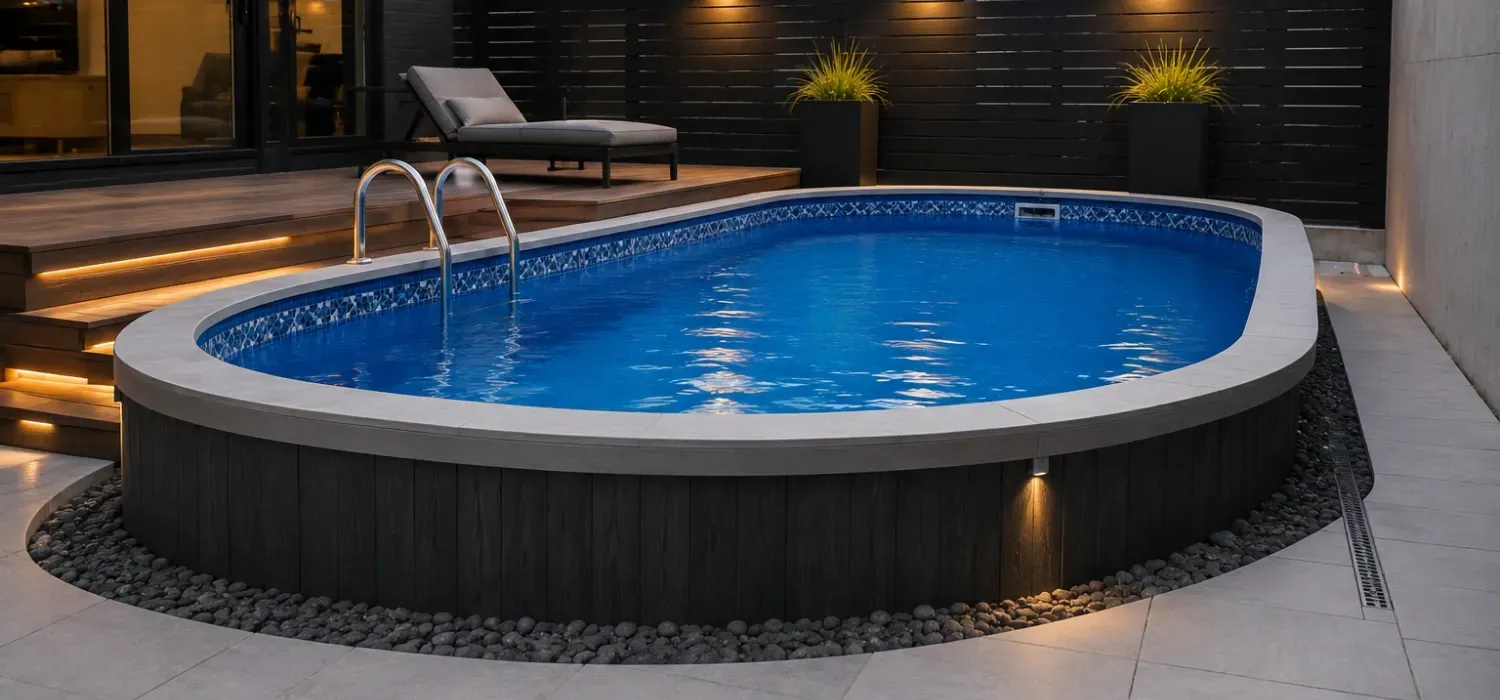
There is no single best shape for every small yard. The right choice depends on the lot's width, depth, slope, and how close neighboring structures sit to the property line. Rectangular and plunge pools generally work best for narrow or shallow lots, while freeform and kidney shapes suit yards with irregular boundaries or existing landscaping.
Cocktail pools can suit very small urban or courtyard-style lots where a larger pool footprint feels tight. The shape decision should follow a measured site assessment.
Why Pool Shape Matters More on a Small Connecticut Lot
On a compact property, pool shape is about more than aesthetics; it influences how much space remains for decking and landscaping after required setbacks are accounted for. Unlike larger lots where design is flexible, a small Danbury or Fairfield County yard requires balancing pool size against safety barriers, equipment placement, and usable patio area. Site conditions further restrict design choices, often narrowing the options long before budget is discussed.
Comparing Pool Shapes for Small Yards
Rectangular Pools
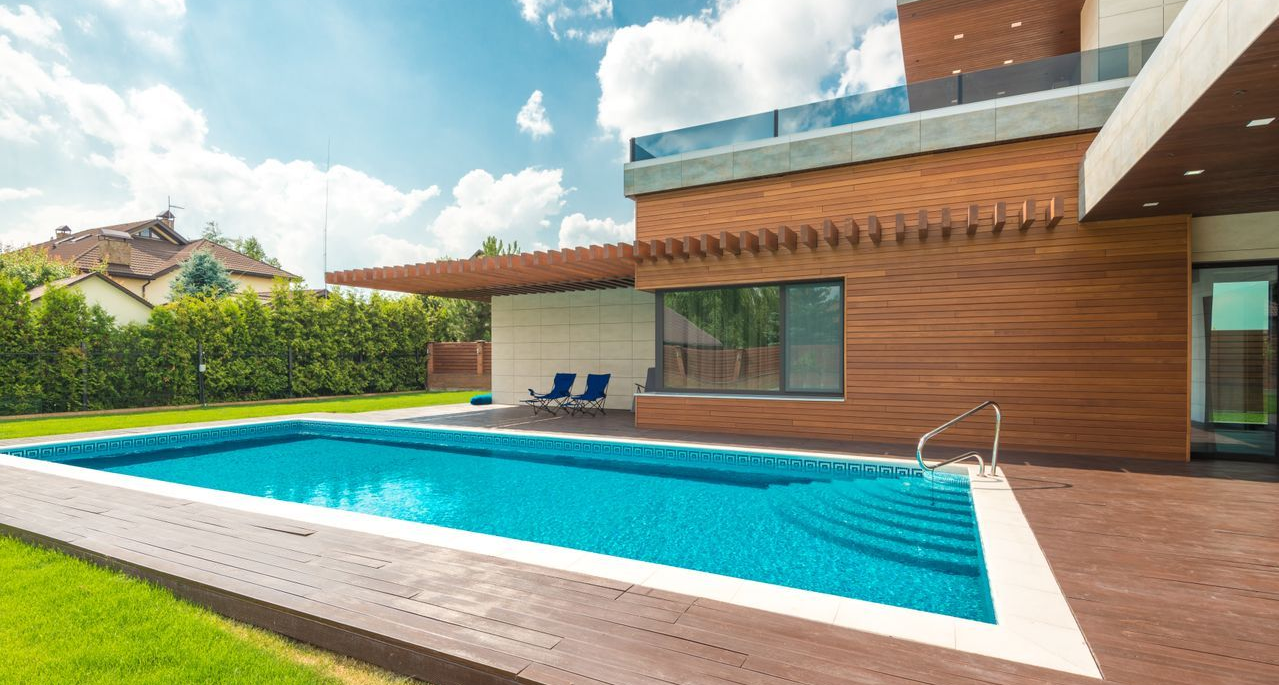
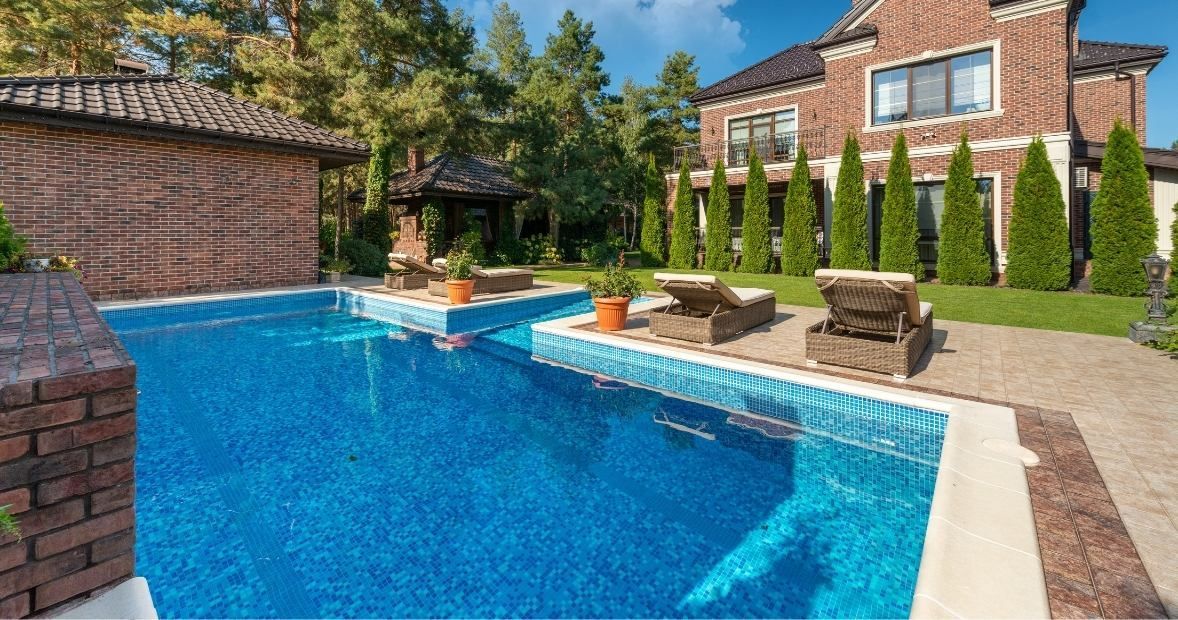
A rectangular pool can be a space-efficient option for narrow or shallow lots because its straight edges can align well with property boundaries, patios, and existing hardscaping. The predictable geometry can also make it easier to plan surrounding decking and other site features within the available buildable area.
Freeform Pools
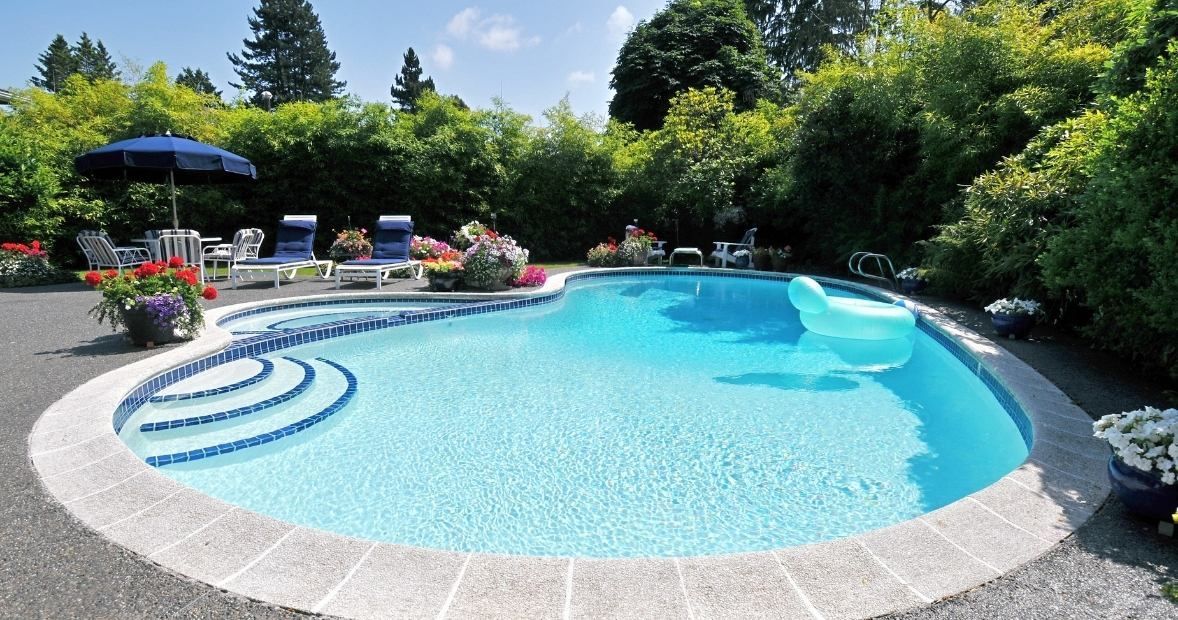
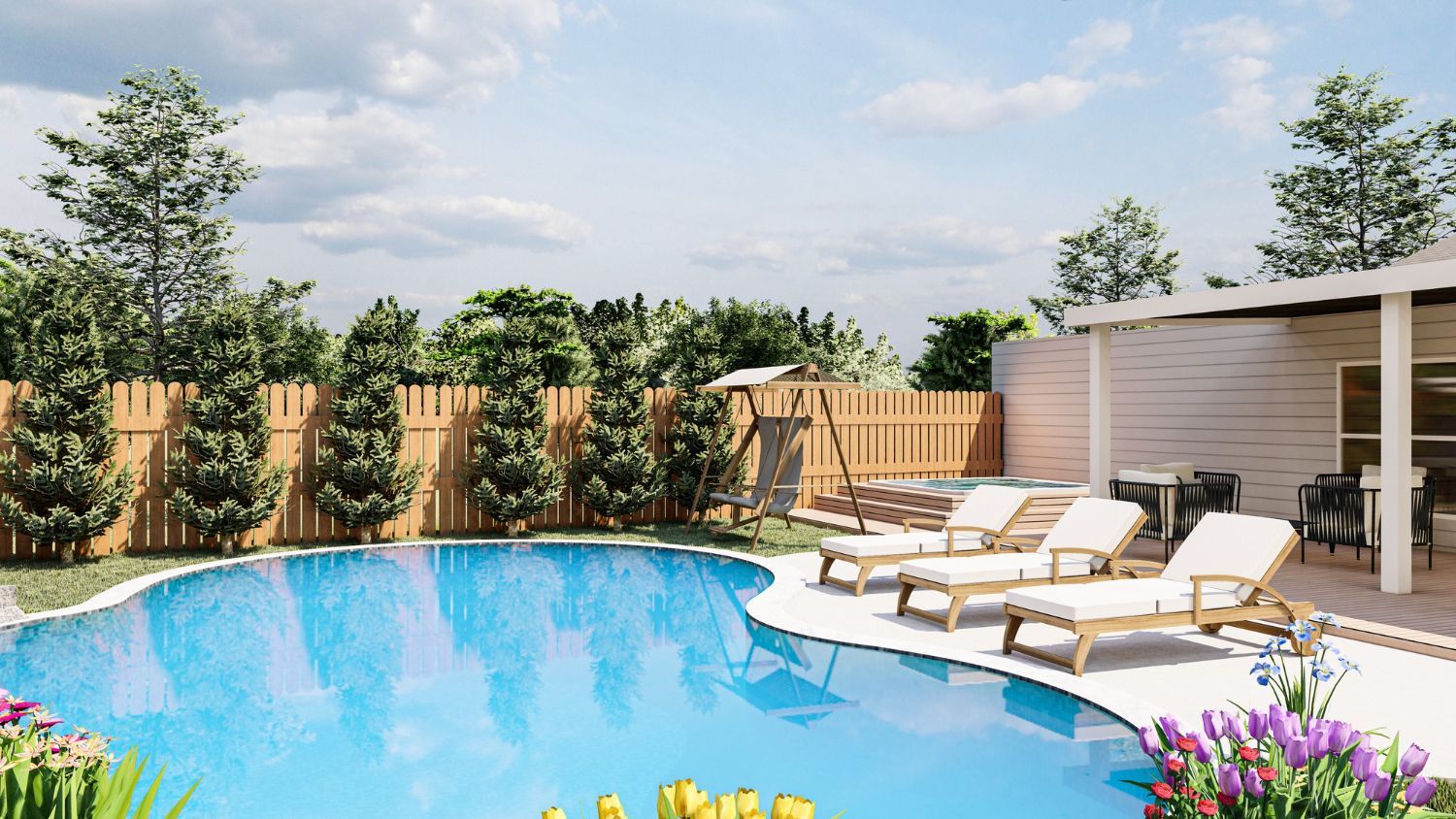
Freeform pools use curved, irregular edges instead of a fixed geometric outline. A custom pool design can be tailored around irregular property boundaries, existing landscaping, and other space constraints. On sloped properties, the pool shape can be coordinated with the overall site plan, although grading, drainage, retaining structures, and other construction requirements must still be evaluated separately.
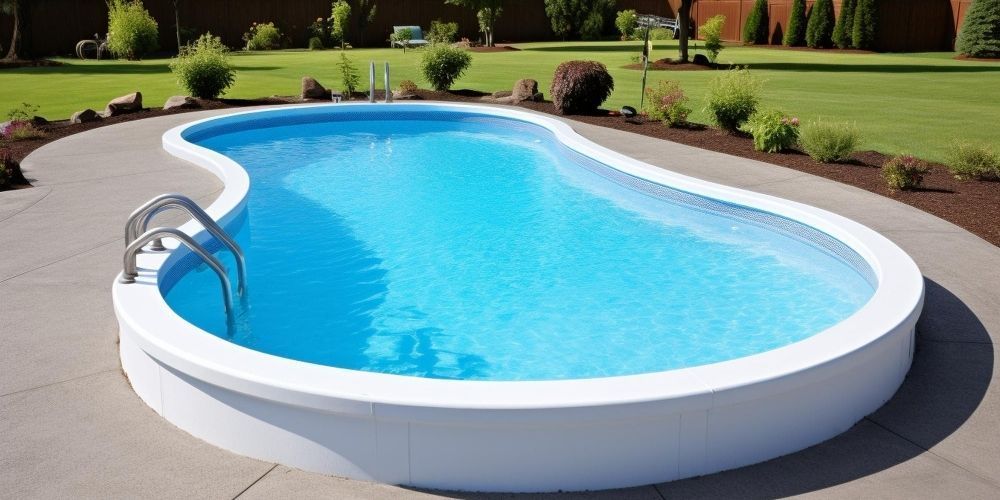
Kidney-Shaped Pools
Kidney-shaped pools offer a curved alternative to rectangular and fully freeform designs. Their asymmetrical shape can help create distinct areas around the pool for swimming, seating, decking, or landscaping, depending on the pool's dimensions and the available yard space.
Plunge Pools
Plunge pools are generally designed for compact recreation and relaxation rather than lap swimming, making them a practical option among small backyard pool ideas for CT properties with limited buildable space. Dimensions and depths vary by design, so the available yard space, setbacks, and intended use should determine the final footprint. Because plunge pools are typically smaller than full-size swimming pools, they may hold less water and use differently sized circulation and filtration equipment. Exact equipment requirements should be determined by a qualified pool professional.
Cocktail Pools
Cocktail pools are compact pools designed for smaller outdoor spaces, while some pool-spa combinations are commonly described as spools. Depending on the design, they may include features such as built-in seating, jets, or heating. Their smaller footprint can suit courtyard-style yards, narrow lots, or properties where preserving surrounding patio or deck space is a priority. Homeowners should confirm how the proposed design is classified under local zoning and building requirements before finalizing the project.
READ MORE:
Modern Kidney-Shaped Pool: 7 Design Ideas for a Fresh Style
Best Pool Shape by Yard Type
| Yard Type | Best-Fit Shape | Why It Works |
|---|---|---|
| Long, narrow lot | Rectangular or lap pool | Straight edges align with property lines and simplify decking |
| Small square lot | Plunge pool | Compact footprint fits tight side or rear yards |
| Irregular lot | Freeform pool | Curved edges can accommodate irregular boundaries and existing landscaping |
| Yard needing defined zones | Kidney-shaped pool | Curved layout can help organize swimming, seating, decking, or landscaping areas |
| Courtyard or urban-style lot | Cocktail pool (spool) | Compact footprint can preserve more surrounding usable space |
How to Choose the Right Pool Shape for a Small Yard
1. Measure Buildable Yard Space
Start by measuring the rear and side yard and identifying areas restricted by required setbacks, existing structures, septic components, easements, and other applicable site constraints. The remaining buildable area provides a more useful basis for determining which pool shapes and dimensions may be feasible.
2. Identify Site Constraints
Note slope, drainage patterns, mature trees, utility lines, and proximity to wetlands or watercourses. Some Connecticut municipalities require additional review or approvals for projects near wetlands or watercourses, so identifying these conditions early can help reduce unexpected issues during permitting.
3. Decide How the Pool Will Be Used
A household focused on exercise may prioritize a rectangular or lap-style layout, while a household focused on relaxation may prefer a plunge or cocktail pool. Matching the pool's shape and dimensions to its intended use can help homeowners allocate limited yard space more effectively.
4. Confirm Setback and Coverage Rules
Zoning rules affect available pool space. Minimum setbacks restrict where a pool may be located on a property, while separate lot coverage requirements can further limit the size of the project.
5. Get a Site Assessment From a Pool Contractor
A licensed contractor can evaluate site conditions, drainage considerations, access, and potential equipment placement before construction begins and identify whether additional testing or professional review is needed. Look for contractors who work with Danbury-area homeowners during this planning stage to help match a pool shape to the realities of the lot rather than a generic template.
What Affects the Cost of a Small Backyard Pool in Connecticut
The cost of a small pool varies based on its shape, construction method, materials, site conditions, access, and overall scope of work, so no single fixed price applies to every project. Designs that require more complex layout, excavation, forming, masonry, or site preparation may increase labor and affect the overall estimate.
Several factors typically influence the final cost of a small backyard pool project:
- Shape complexity and shell material, including gunite, fiberglass, and vinyl liner
- Excavation difficulty, including slope, rock, or soil conditions
- Site access for equipment and materials
- Decking, fencing, and landscaping included in the project scope
- Equipment sizing for filtration and heating
- Permit and inspection fees, which vary by municipality
Because these factors differ from property to property, the most accurate way to understand project cost is a direct site assessment.
Permit, Setback, and Safety Factors for Small Pools
Pool shape does not eliminate applicable permitting and safety requirements. Residential pool projects must comply with relevant state building and safety requirements as well as local zoning rules governing factors such as setbacks and lot coverage. Homeowners should confirm applicable barrier requirements and other project-specific rules with their local building and zoning departments.
Permitting and Inspection
Connecticut General Statutes Section 29-265a requires a pool alarm to be installed with a swimming pool before a building permit may be issued for its construction or substantial alteration at a residence occupied by, or being built for, one or more families.
Zoning and Setbacks
Local zoning regulations add further requirements. In Darien, for example, swimming pools
must meet applicable setback requirements, with setbacks measured from the edge of an adjacent deck or platform when applicable, or otherwise from the exterior lip of the pool. Additional environmental approvals may apply near a wetland or watercourse.
Barrier Safety Guidelines
Barrier requirements matter just as much on a small lot, where fencing and deck clearances compete directly with pool footprint. The U.S. Consumer Product Safety Commission recommends that residential pool barriers
stand at least four feet high with self-closing, self-latching gates to reduce the risk of unsupervised child access, according to its Safety Barrier Guidelines for Residential Pools. Homeowners should confirm exact setback, coverage, and barrier requirements with their local building and zoning departments, since requirements vary by town and zoning district.
When to Call a Professional Pool Contractor
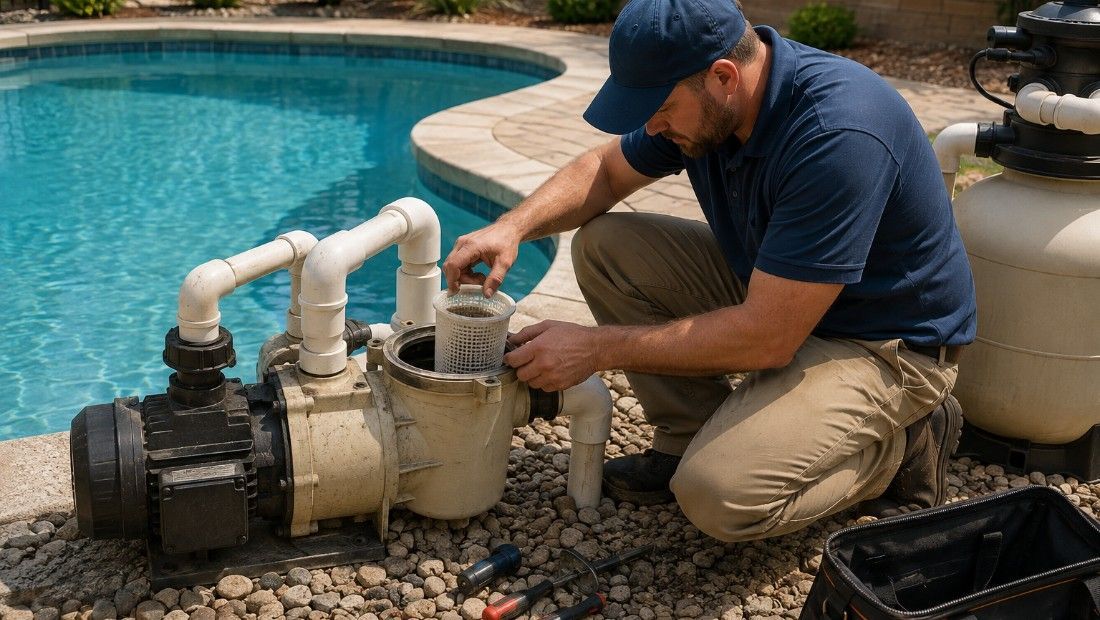
A professional site assessment is especially useful once a homeowner has a general shape preference and needs to determine whether the property can accommodate it. Conditions that warrant professional review early in the planning process include:
- Uncertainty about exact setback or lot coverage limits
- A sloped, wooded, or irregularly shaped yard
- Proximity to a septic system, well, wetland, or watercourse
- A desire to combine a pool with masonry, retaining walls, or excavation work
- Any plan to convert existing hardscaping into pool decking
Frequently Asked Questions
What is the smallest pool size allowed for a backyard in Connecticut?
There is no universal minimum backyard pool size that can be determined from setback and lot coverage rules alone. Local zoning requirements affect where a pool can be placed and how much buildable area is available, while the practical minimum size also depends on the pool type, design, site conditions, and applicable building requirements. Homeowners should confirm local zoning and building requirements before finalizing pool dimensions.
How much space should be left around a small backyard pool?
The amount of surrounding space depends on local setback and barrier requirements as well as how the area will be used. A pool plan should account for walking space, decking or patio areas, equipment access, fencing and gates, and clearance from nearby structures. The available buildable area should be measured before the pool dimensions are finalized.
Can a small pool still include a sun shelf or tanning ledge?
Many small pool designs, including plunge and cocktail pools, can incorporate a shallow sun shelf if the yard has enough width to accommodate it. Within a fixed pool footprint, adding this feature can reduce the deep-water swim area, so it works best when discussed during the initial design and measurement stage.
How long does it take to install a small inground pool?
Installation timelines depend on shape, site conditions, permit processing, and weather, so there is no fixed timeline that applies to every project. A pool contractor can provide a project-specific schedule after reviewing site access, soil conditions, and local permitting requirements.
Does pool shape affect maintenance requirements?
It can. Pool shape may influence water circulation, cleaning access, and compatibility with certain covers or automated cleaning equipment. The overall maintenance requirements also depend heavily on the pool's size, filtration system, surrounding landscaping, and equipment design.
Ready to Plan a Small Backyard Pool in Danbury, CT?
FJV Construction provides licensed and insured pool construction, masonry, and excavation services for homeowners in Danbury, Bethel, Brookfield, and communities throughout Fairfield and Litchfield counties.
Contact FJV Construction to discuss which pool shape fits a specific Connecticut backyard before construction planning begins.