Swimming Pool Construction in Brookfield, CT: Timeline & Costs
What’s In This Guide
- How Long Does Swimming Pool Construction Take in Brookfield, CT?
- Why These Planning Factors Matter for Brookfield Homeowners
- What Affects Your Swimming Pool Construction Timeline in Brookfield, CT
- The Swimming Pool Construction Process: A Step-by-Step Timeline
- What Affects the Cost of Swimming Pool Construction in Brookfield, CT
- When to Call a Licensed Pool Contractor in Brookfield
- Frequently Asked Questions
- Ready to Plan Your Brookfield Pool Project With a Local Contractor?
Two Brookfield properties can call for similar pool designs and still produce very different construction schedules and estimates. Site conditions are often a major reason. Swimming pool construction in Brookfield, CT, depends on factors such as soil conditions, ledge rock, tree cover, proximity to wetlands, equipment access, and the location of buried utility lines.
Connecticut's permitting process adds another variable, while weather and ground conditions can affect excavation and site work. A realistic pool construction timeline therefore needs to account for approvals, site conditions, and seasonal weather rather than assuming every project will follow the same schedule.
Quick Facts
- Licensing and registration both apply. New in-ground pool installations must be performed by a licensed Connecticut Swimming Pool Builder, and the builder or the builder's employer must also maintain the applicable Home Improvement Contractor registration.
- 811 notice is mandatory. Connecticut requires notification to Call Before You Dig at least two full working days before excavation using power-operated equipment, excluding Saturdays, Sundays, and holidays.
- Wetlands review can add time. Brookfield properties near wetlands, brooks, or lake shorelines may need Inland Wetlands Commission approval before excavation starts.
- Pool type affects the schedule. Fiberglass shells arrive prefabricated, vinyl-liner pools are assembled and lined on site, and gunite pools require additional on-site structural and curing steps.
- Season affects scheduling. Frozen or saturated ground, weather interruptions, and contractor availability can make excavation and structural work more difficult at certain times of year.
How Long Does Swimming Pool Construction Take in Brookfield, CT?
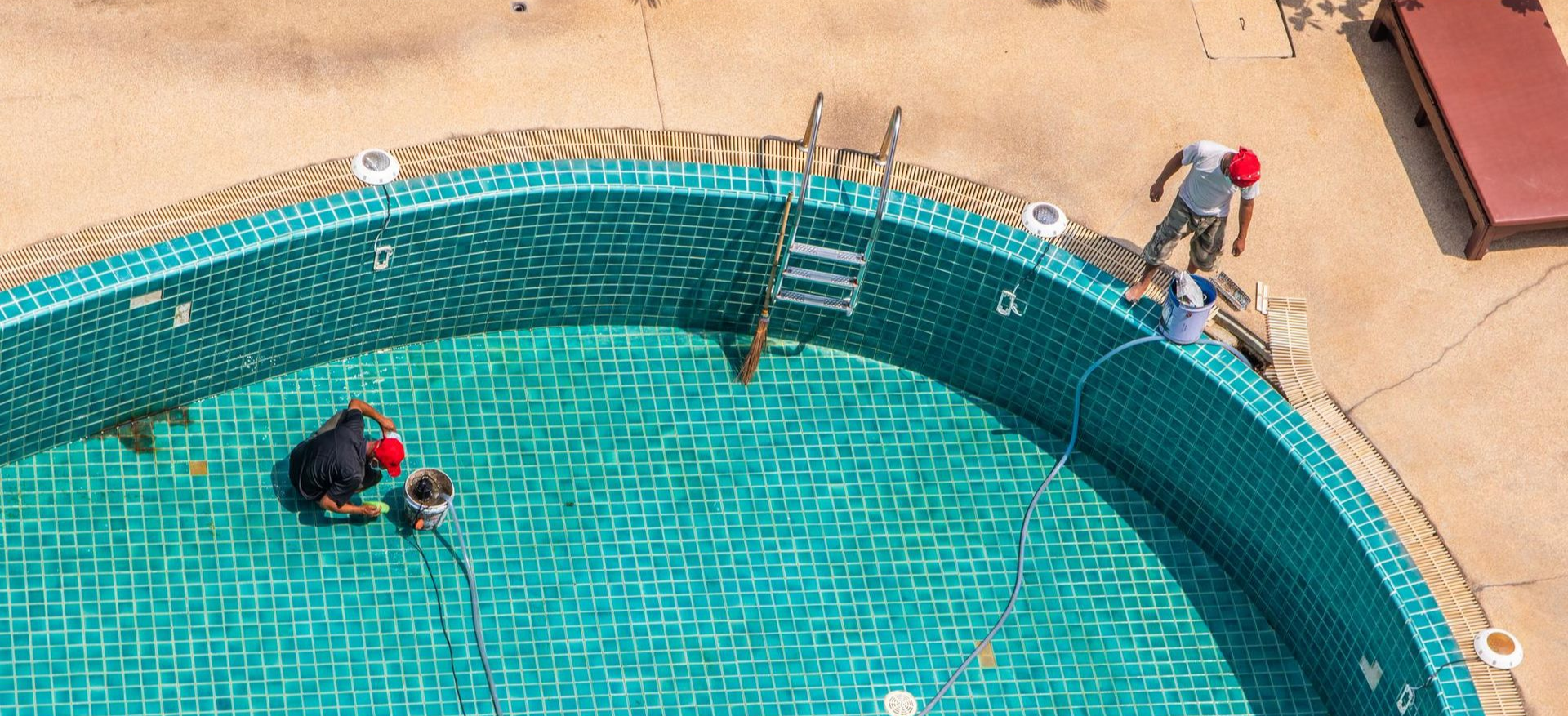
There's no single timeline that applies to every Brookfield pool project. Active construction can run from several weeks to a few months, and pool type is one major factor. Fiberglass shells can often be set quickly because they arrive prefabricated. Vinyl-liner pools require on-site wall assembly and liner installation. Gunite pools typically involve more on-site structural work and curing before later finishes can proceed.
Site conditions, permitting, and the time of year can extend that base construction window. A flat, easily accessed lot with no additional environmental review may move through excavation and construction faster than a wooded or sloped property that requires more site preparation or approvals.
Why These Planning Factors Matter for Brookfield Homeowners
Skipping site evaluation, permitting, or drainage planning does more than risk a delay. Addressing these factors early protects the project budget, the pool's long-term structural performance, and the property's compliance with local code. A pool built without proper grading, for instance, can direct runoff toward a house foundation or a neighboring yard, a problem that's much harder to fix once decking and landscaping are finished.
Pool projects can also include retaining walls, decks, equipment supports, or other structural elements with separate foundation requirements. Connecticut's
frost-protection provisions apply to foundation walls, piers, and other permanent supports of buildings and structures, so the applicable requirements should be evaluated for each structural element in the project.
What Affects Your Swimming Pool Construction Timeline in Brookfield, CT
Four categories of factors move a Brookfield pool project faster or slower than a generic national estimate: the site itself, excavation and drainage needs, the permitting process, and the time of year construction begins.
| Factor | Why It Matters | Typical Impact |
|---|---|---|
| Ledge rock or large boulders | Requires breaking, hauling, or specialized equipment | Extends excavation, adds cost |
| Limited yard or driveway access | Restricts equipment size and delivery routes | Slows excavation and material delivery |
| Proximity to wetlands, brooks, or shoreline | May trigger Inland Wetlands Commission review | Adds pre-construction review time |
| Steep or uneven grade | May require retaining walls or engineered fill | Adds design and |
| Utility-marking requirement | Connecticut requires notification before excavation using power-operated equipment | Adds a mandatory waiting period |
Site Access and Terrain
Brookfield properties range from level, open yards to wooded, sloped lots near Lake Lillinonah and the surrounding hills. Steep grades, mature trees, and ledge rock can affect equipment access, excavation methods, and site preparation, so these conditions should be evaluated before the design is finalized.
Excavation and Drainage
Excavation and drainage planning add time to a project in two specific ways: a mandatory utility-marking waiting period and site-specific water management. Connecticut law requires anyone using power or mechanized equipment to notify Call Before You Dig at least two full business days before digging, so buried utility lines can be located and marked. This waiting period is built into most project schedules and generally isn't something a contractor can shortcut.
Excavation and drainage planning address two different needs: how excavated material will be handled during construction and how stormwater will move around the finished pool. On sloped Brookfield lots, the project may require grading changes, dry wells, or drainage piping in addition to the pool structure itself, which can extend the site work phase.
Permitting and Regulatory Review
Swimming pool construction generally requires a building permit in Brookfield, although the 2022 Connecticut State Building Code exempts prefabricated swimming pools that are 24 inches deep or less from the building-permit requirement.
Beyond the standard building permit, properties near a wetland, watercourse, or the shoreline of a lake such as Lillinonah may also need review from the town's Inland Wetlands Commission before excavation can begin.
Connecticut also regulates who can legally build a new in-ground pool. The installation
must be performed by a licensed Swimming Pool Builder, and the builder or the builder's employer must maintain the applicable Home Improvement Contractor registration. Homeowners should verify the relevant license and registration before signing a contract.
The Swimming Pool Construction Process: A Step-by-Step Timeline
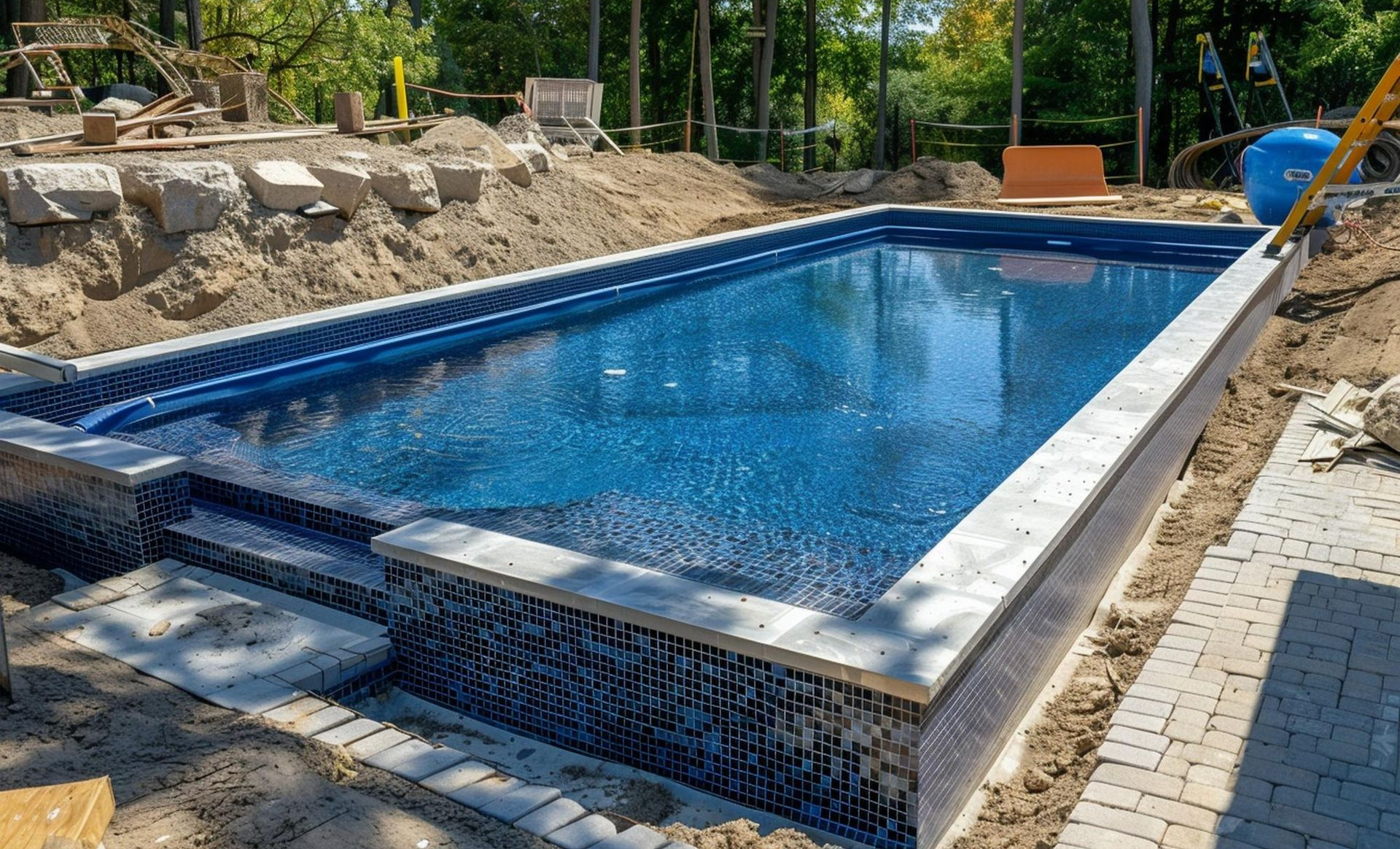
A Brookfield pool project generally moves through seven phases from initial planning to first swim. Understanding the sequence shows where the factors above fit into an actual project calendar.
1. Design and Site Evaluation
A contractor evaluates soil, grade, tree cover, and access before finalizing a design. This step also flags whether wetlands review or unusual excavation conditions are likely.
2. Permitting and Utility Marking
Building permit applications go in alongside any required wetlands review. The 811 utility markout is scheduled once excavation dates are set.
3. Excavation
Crews dig the pool shape according to the approved design, working around any ledge rock, roots, or drainage features identified during the site evaluation.
4. Structural Construction
The pool structure is installed according to the selected system. Gunite pools typically use reinforcing steel before the shell is sprayed and then require curing. Vinyl-liner pools use a framed wall system and liner, while fiberglass pools arrive as prefabricated shells that are set into the excavation.
5. Plumbing, Electrical, and Equipment Installation
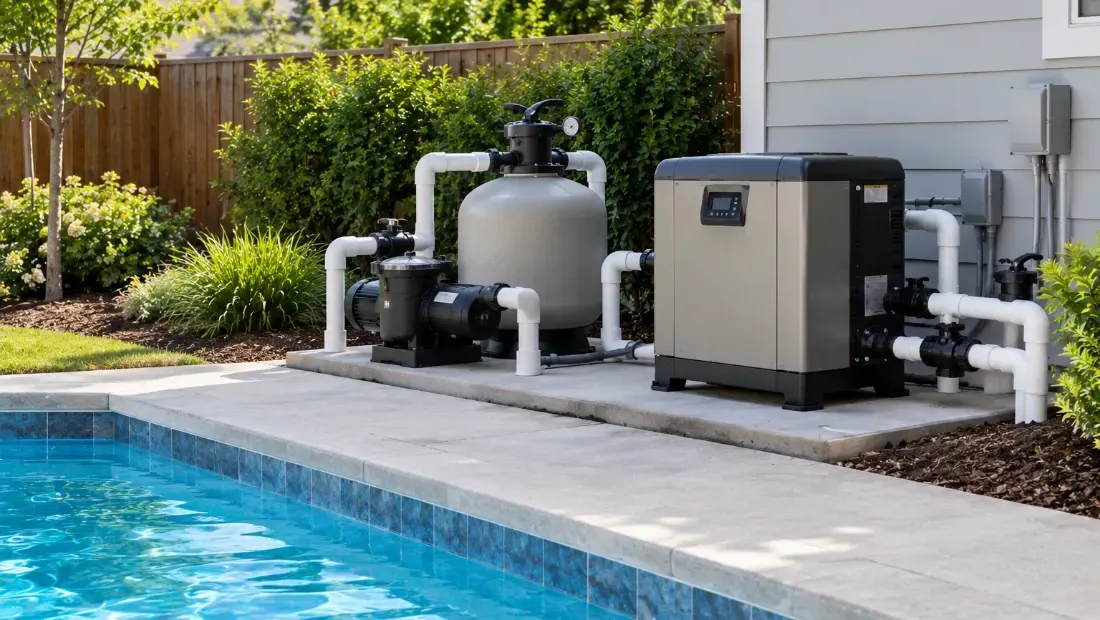
Circulation lines, filtration equipment, and any electrical work for pumps, heaters, or lighting are installed and connected to the pool structure.
6. Decking and Finishing
Decking, coping, and any applicable tile or interior finishes are completed. This is also when masonry work such as patios, retaining walls, or seating areas typically comes together around the pool.
7. Final Inspection, Fill, and Start-Up
Required inspections occur at the applicable stages of construction. After the necessary final approvals are complete, the pool can be placed into service and the equipment can be started up for normal use.
What Affects the Cost of Swimming Pool Construction in Brookfield, CT
Total cost depends on far more than pool size. Material, site access, excavation difficulty, permitting requirements, custom features, and timing all influence the final cost, which is why a site-specific estimate is far more reliable than a generic online calculator.
Factors that typically influence a Brookfield estimate include:
- Pool material. Vinyl liner, fiberglass, and gunite each carry different material and labor costs.
- Size and depth. Larger and deeper pools require more excavation, more material, and more equipment time.
- Site access and terrain. Ledge rock, slope, and limited equipment access can add labor and time.
- Excavation and drainage scope. Grading, dry wells, or drainage piping add to the site work.
- Permitting and regulatory review. Wetlands review or additional inspections can add administrative time.
- Custom features. Attached spas, waterfalls, tanning ledges, and automation add both material and labor.
- Surrounding hardscape. Decking, coping, and masonry work around the pool can add material and labor beyond the pool structure itself.
- Timing. Peak-season demand can affect contractor availability and project start dates.
Because Brookfield properties vary in access, terrain, drainage, and approval requirements, a detailed estimate is more reliable when it reflects the actual site and project scope rather than a broad national average.
When to Call a Licensed Pool Contractor in Brookfield
Contact a pool contractor while the target construction window and layout are still being planned. An early site review gives the contractor time to account for access, permitting, excavation conditions, and other constraints before the project schedule is finalized.
Searching for pool installation companies near you usually turns up more options than expected, but not all of them are equipped for Brookfield's mix of ledge rock, sloped lots, and wetlands review. The more useful question isn't who's available. It's who has handled a similar site before.
Frequently Asked Questions
Does a swimming pool in Brookfield, CT, need to be fenced?
Yes. Residential pools are subject to barrier requirements intended to restrict unsupervised access. Homeowners should confirm the current height, gate, latch, and placement requirements with Brookfield's Building Department before finalizing the pool layout.
Can the pool design be changed after construction has started?
Some changes may still be possible after construction begins, but they can affect cost, scheduling, permits, and completed work. Changes involving the pool's size, shape, location, plumbing, electrical systems, or structural features may require revised plans or additional approvals, so major design decisions are best finalized before excavation starts.
Who is responsible for scheduling the utility markout, the homeowner or the contractor?
If a homeowner hires a contractor to perform the excavation, the contractor must notify Call Before You Dig. If the homeowner personally uses power-operated equipment, the homeowner must make the notification. The notice must be submitted at least two full business days before excavation, excluding Saturdays, Sundays, and holidays.
How far in advance should Brookfield homeowners contact a pool contractor?
Spring and summer are popular periods for pool construction, and contractor schedules can fill in advance. Homeowners should contact contractors during the planning stage, before the season in which they hope construction will begin.
Can property setbacks or lot lines limit where a pool can be built?
Yes. Brookfield's zoning regulations set minimum front, side, and rear-yard setbacks for swimming pools and their related decking or apron areas, with the required distances varying by zoning district. Homeowners should confirm zoning requirements with Brookfield's Land Use Office.
Ready to Plan Your Brookfield Pool Project With a Local Contractor?
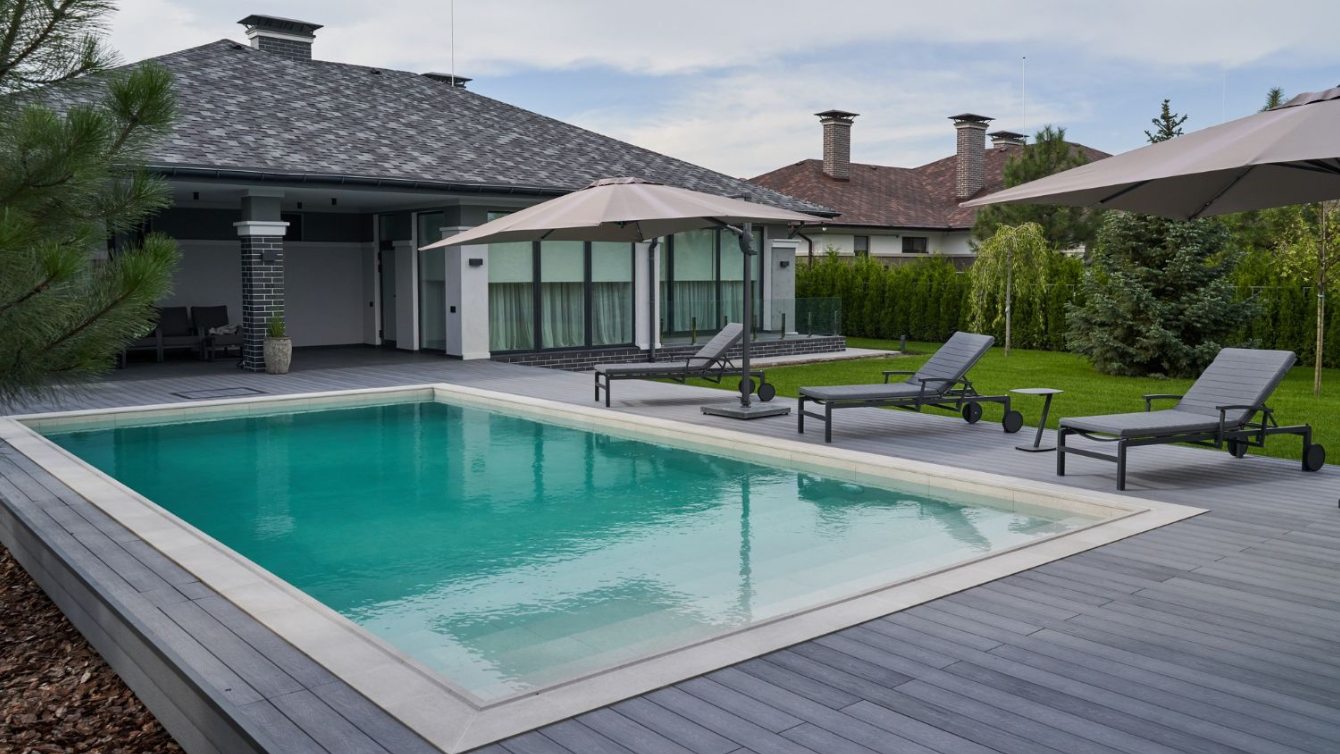
FJV Construction is a licensed and insured pool construction, masonry, and excavation contractor serving Danbury, Brookfield, Bethel, and the surrounding Connecticut communities. The team manages site evaluation, permitting coordination, and construction from initial design through final inspection.
Contact us to schedule a site evaluation and build a realistic timeline around your Brookfield property.