Pool Builders Near Me in Bethel, CT: 10 Questions to Ask Before You Request an Estimate
What’s In This Guide
- What to Ask a Pool Contractor Before Requesting an Estimate
- Why These Questions Matter for Bethel Homeowners
- 10 Questions to Ask Pool Builders Near Me in Bethel, CT
- How to Prepare for Your Pool Consultation
- What Affects the Cost of a Pool Construction Estimate?
- When to Call a Professional Pool Builder
- Frequently Asked Questions
- Ready to Request a Pool Construction Estimate in Bethel, CT?
Looking for pool builders near you is the easy part. Figuring out which contractor in Bethel, CT, deserves a phone call and which questions actually matter before that first pool consultation is where most homeowners get stuck.
A backyard pool is one of the larger home investments a Connecticut property owner will make. The difference between a smooth build and a frustrating one usually comes down to what gets asked and answered before a contract is signed.
Quick Facts
- Ask about permits, timelines, materials, drainage, warranties, payments, and post-installation support before choosing a pool builder in Bethel, CT.
- Make sure the contractor understands Bethel and Connecticut building, zoning, and pool safety requirements.
- Get important details in writing, including payment schedules, start and completion dates, warranties, and change-order procedures.
- Prepare for the consultation with a property survey, budget range, site photos, and a list of must-have features.
- Pool construction costs depend heavily on pool type, site conditions, access, materials, features, permits, and grading needs.
What to Ask a Pool Contractor Before Requesting an Estimate
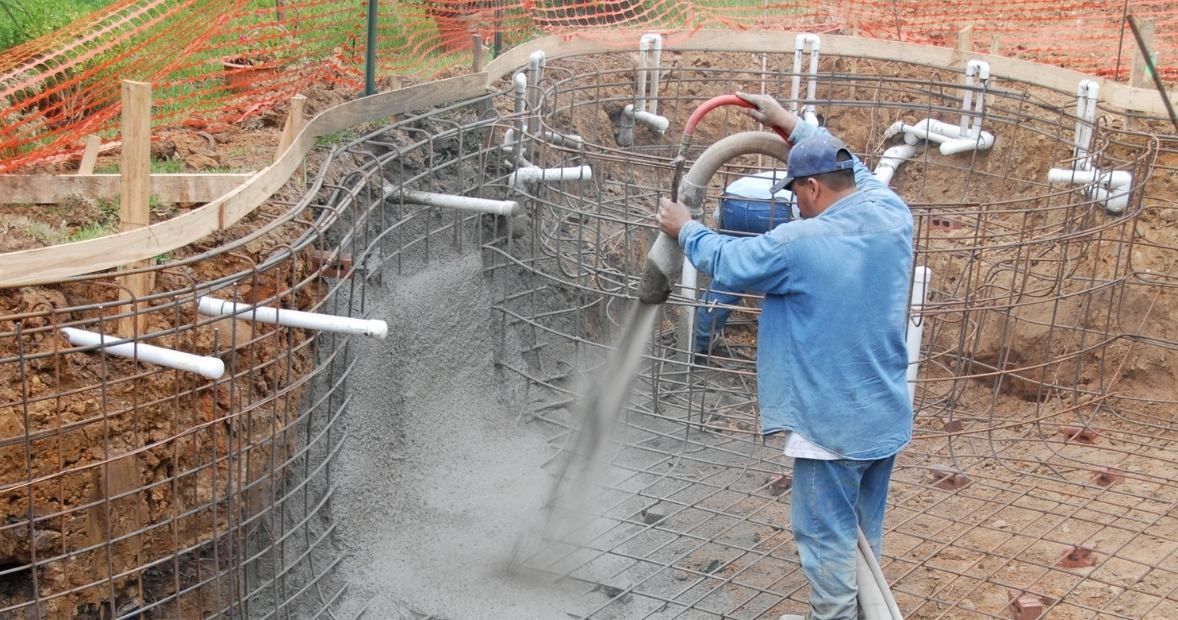
Ask about pool type, timeline, permits, materials, drainage, maintenance, warranties, payment terms, change orders, and post-installation support. These questions should cover the financial, structural, and safety details that shape whether a project stays on budget and on schedule.
Skipping these topics can leave important cost, permitting, drainage, and cold-weather considerations unresolved. Asking them upfront turns a sales conversation into a working project plan.
Why These Questions Matter for Bethel Homeowners
A pool is a permanent structure that involves excavation, plumbing, electrical systems, and compliance with applicable building codes. Getting the answers wrong is not a minor inconvenience. It can affect safety, resale value, and whether the finished pool passes inspection at all.
Connecticut's building code, contractor registration laws, and local zoning rules all
apply to residential pool construction. A contractor who cannot speak clearly about permits, drainage, or payment terms is a signal to keep looking before signing anything.
10 Questions to Ask Pool Builders Near Me in Bethel, CT
1. What Pool Types and Designs Do You Build?
Ask whether the builder works with gunite, vinyl liner, and fiberglass construction, or specializes in one type. Each material has different installation timelines, repair needs, and upfront costs.
A contractor should walk through the tradeoffs for the specific yard. Ask to see examples of completed pools in Bethel or nearby Fairfield County towns with similar lot sizes or terrain.
2. How Long Will Construction Take From Start to Finish?
Timeline estimates should cover permitting, excavation, plumbing and electrical rough-in, decking, and final inspection. Connecticut winters can stall outdoor work, so ask how weather delays are typically handled.
A contractor who gives a vague answer here, instead of a phased breakdown, may not have a clear project management process in place.
3. What Permits Will This Project Require?
Connecticut law prohibits issuing a building permit for the construction or substantial alteration of a swimming pool at a residence occupied by, or being built for, one or more families unless a pool alarm is installed with the pool. Residential pools, spas, and hot tubs are regulated under the 2022 Connecticut State Building Code, which incorporates the International Swimming Pool and Spa Code with state amendments.
Ask who will obtain the required permits, who will coordinate inspections, and whether the builder is familiar with Bethel's specific zoning and setback rules. The written contract should clearly identify who is responsible for obtaining required building permits so both parties understand that responsibility before work begins.
READ MORE: Is a Permit Required for Residential Swimming Pool Installation?
4. What Materials Do You Recommend and Why?
Material questions should cover the pool shell, decking, coping, and any waterfall or masonry features. Ask why a specific material fits the site's soil conditions, slope, sun exposure, and surrounding hardscape. The builder should explain how these site conditions affect material selection and performance.
5. How Will You Handle Site Drainage and Grading?
Poor drainage planning can contribute to pool deck cracking, erosion, and standing water after installation. Ask how the contractor assesses slope, soil type, and existing runoff patterns before excavation begins.
A qualified builder should explain where excess water will be directed and whether additional grading, French drains, or catch basins are part of the plan.
6. What Maintenance Will the Pool Require After Installation?
Maintenance needs vary by pool type and equipment package. Ask about expected filter cleaning frequency, water testing routines, seasonal opening and closing steps, and how equipment access will be incorporated into the layout. A contractor should be able to explain routine maintenance in plain terms.
7. What Warranties Cover the Construction and Equipment?
Warranty coverage may differ among structural components, workmanship, and mechanical equipment such as pumps, filters, and heaters. Ask what is covered, for how long, and whether warranty service is handled in-house or through the equipment manufacturer. Get warranty terms in writing as part of the contract.
8. What Does the Payment Schedule Look Like?
The Connecticut Department of Consumer Protection recommends a progress-based payment schedule, often divided into thirds, with about one-third paid as the deposit and initial materials cost, another third during the project, and the final third at completion.
Before paying a deposit, make sure the written contract includes the required start and completion dates as well as the agreed payment schedule. Ask what triggers each payment installment and whether payments are tied to completed milestones or passed inspections.
9. How Are Change Orders Handled If the Scope Changes?
Site conditions sometimes reveal ledge rock, unexpected drainage issues, or utility lines that were not visible during the initial walkthrough. Ask how the contractor documents and prices changes to the original scope.
A clear written change-order process that spells out the cost and timeline impacts before additional work proceeds protects both the homeowner and the contractor from later disputes.
10. What Support Is Available After Installation Is Complete?
Post-installation support can include equipment troubleshooting, seasonal closing services, or referrals for ongoing maintenance. Ask whether the builder offers any of these services directly or partners with a maintenance provider.
Knowing this upfront helps set expectations for who to call once the project wraps and the pool is in regular use.
How to Prepare for Your Pool Consultation
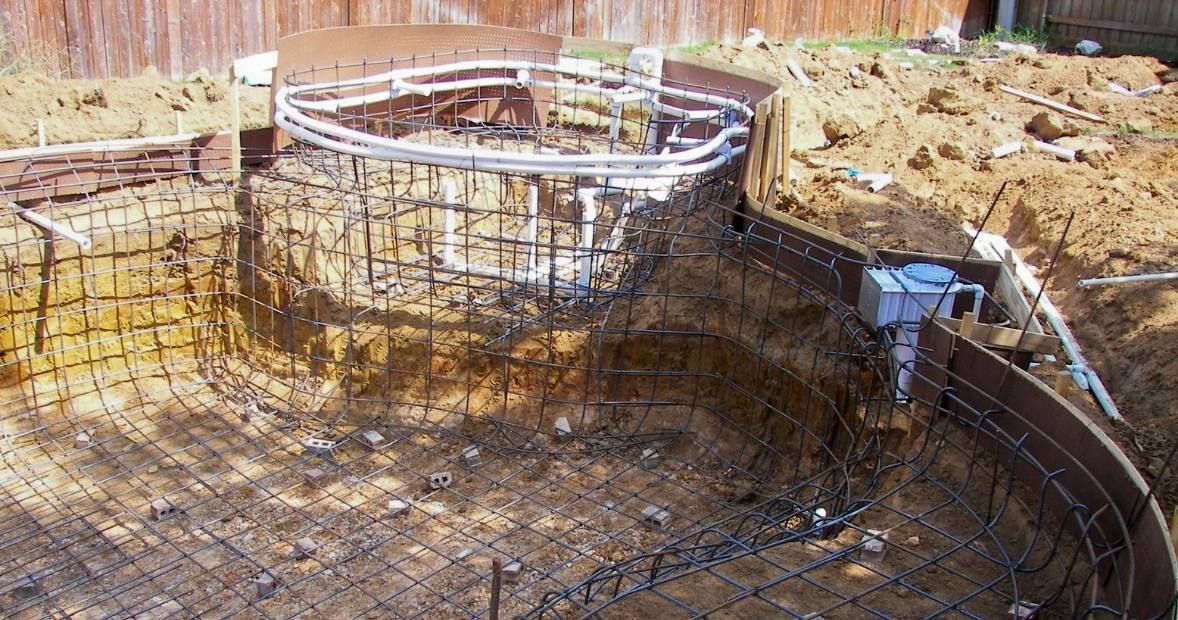
Step 1: Pull Your Property Survey or Plot Plan
A recent survey helps the contractor confirm setback distances, property lines, and any easements that could affect pool placement.
Step 2: Measure and Photograph the Intended Pool Area
Rough measurements and photos of the yard, including slope, existing structures, and tree lines, give the builder a head start on site assessment before the in-person visit.
Step 3: Set a Realistic Budget Range
Decide on a budget range in advance, including some flexibility for site conditions or features discovered during planning. This makes it easier to have a direct cost conversation during the pool construction estimate.
Step 4: List Must-Have Features and Nice-to-Haves
Separate priorities like pool size, depth, and safety fencing from optional extras like waterfalls or additional decking. This helps the contractor scope options that fit the budget.
Step 5: Check HOA and Neighborhood Restrictions
Some Bethel neighborhoods and homeowners' associations have additional rules on pool placement, fencing, or screening. Confirm these before finalizing a design.
Step 6: Bring Your List of Questions
Print or save the 10 questions above and bring them to the consultation. Written answers, including follow-up emails that confirm verbal responses, create a record that can be compared with the final contract.
What Affects the Cost of a Pool Construction Estimate?
Pool construction costs vary widely based on the specific project, so a property-specific site assessment can provide a more reliable estimate. Several factors shape every estimate:
- Pool type and size: Gunite, vinyl liner, and fiberglass pools carry different material and labor costs.
- Site conditions: Slope, soil type, ledge rock, and existing drainage all affect excavation complexity.
- Access: How easily equipment can reach the work area impacts labor time and logistics.
- Materials and finishes: Decking, coping, tile, and masonry choices range widely in cost.
- Additional features: Waterfalls, lighting, heating, and automation add to the base scope.
- Permits and site prep: Municipal fees, engineering requirements, and grading work vary by property.
These factors work together, which is why a property-specific site visit and consultation can provide a more accurate estimate than a generic price range.
When to Call a Professional Pool Builder
Once a homeowner has a rough budget, a general design direction, and a list of questions ready, it is time to schedule a consultation rather than continue researching alone. Pool construction involves excavation, electrical work, plumbing, and code compliance, all of which fall outside the scope of a DIY project for most homeowners.
A properly registered and insured home improvement contractor should be able to walk the property, explain how local permitting applies to that specific lot, and provide a written estimate that reflects the site's actual conditions rather than a generic price range.
Frequently Asked Questions
How much does it cost to build a pool in Bethel, CT?
Costs depend on pool type, size, site conditions, and chosen features, so there is no single accurate figure without a property-specific estimate. A pool consultation is the best way to get a cost breakdown that reflects the actual yard and design goals.
Do I need a permit to install an inground pool in Connecticut?
Yes. Connecticut requires a building permit for residential pool construction. State law provides that no building permit may be issued for the construction or substantial alteration of a residential swimming pool unless a pool alarm is installed with the swimming pool. Local zoning and setback requirements also apply and can vary by municipality.
How long does pool construction typically take?
Timelines vary based on pool type, permitting speed, weather, and site complexity. A detailed, phased timeline from the contractor, covering permitting through final inspection, gives a clearer picture than a single overall estimate.
What should I ask before signing a pool contract?
Confirm that the payment schedule, warranty terms, permit responsibilities, and change-order process are documented in writing. Connecticut law requires a written home improvement contract signed by both parties that includes required provisions such as a starting date and completion date. Before paying a deposit, make sure the payment terms are also clearly documented in the contract.
Can I request multiple estimates before choosing a pool builder?
Yes, and doing so is a reasonable step for a project of this size. Comparing written estimates side by side, using the same list of questions for each contractor, makes it easier to spot gaps in scope, timeline, or pricing.
Ready to Request a Pool Construction Estimate in Bethel, CT?
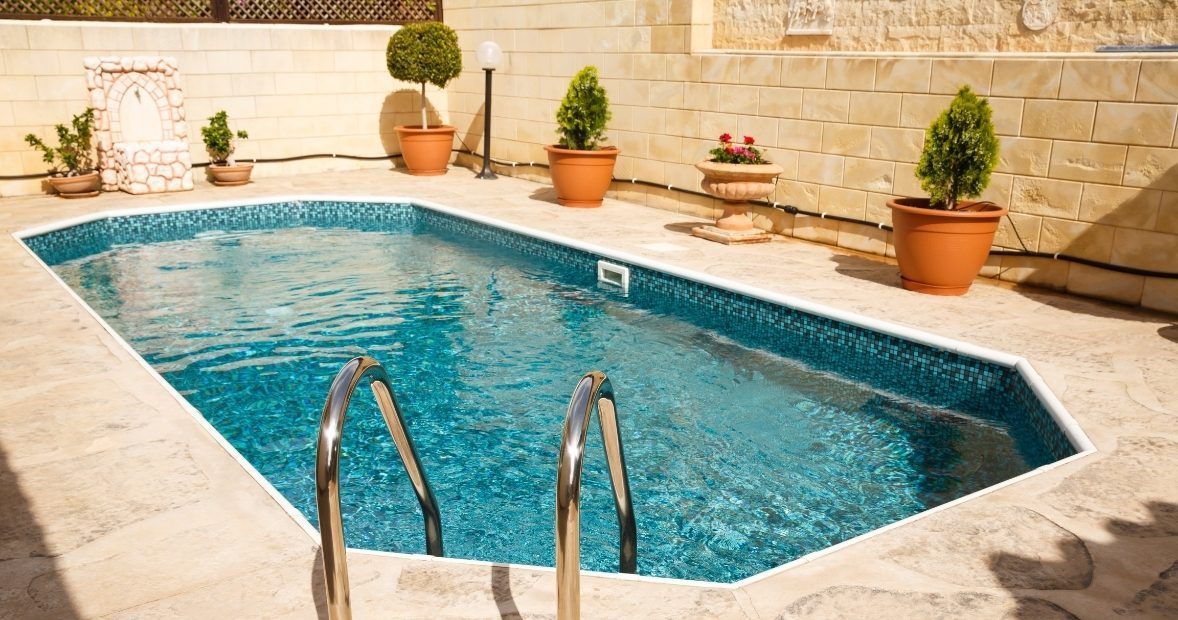
FJV Construction is a licensed and insured contractor serving Bethel, Danbury, Brookfield, and communities throughout Fairfield and Litchfield counties, with experience in pool construction, masonry, and excavation work.
Homeowners ready to move from research to a real project plan can start with a personal pool consultation.