Commercial Pool Maintenance Checklist for CT Properties
What’s in This Guide
What Does Commercial Pool Maintenance in CT Involve?
Why Routine Maintenance Matters for Connecticut Properties
Daily and Weekly Commercial Pool Maintenance Checklist
Monthly and Seasonal Tasks for Commercial Pools
A commercial pool is one of the most inspection-sensitive amenities a Connecticut property can operate. Commercial pool maintenance in CT involves daily water testing, routine cleaning, equipment inspections, safety checks, and detailed recordkeeping, all under the oversight of state and local health authorities.
For apartment communities, hotels, gyms, and HOAs, a missed task can mean cloudy water, a failed inspection, or a closed pool during peak season.
This checklist breaks down what property managers should handle daily, weekly, monthly, and seasonally, and when a commercial pool service provider makes sense.
Quick Facts
- CDC guidance for public pools: free chlorine 1 to 3 ppm, pH 7.0 to 7.8
- Test water chemistry at least twice daily, hourly during heavy swimmer use
- Connecticut Public Health Code 19-13-B33b governs public pool operation and water quality
- Federal law requires compliant anti-entrapment drain covers on every public pool
- Written maintenance logs support health inspections, insurance claims, and liability protection
What Does Commercial Pool Maintenance in CT Involve?
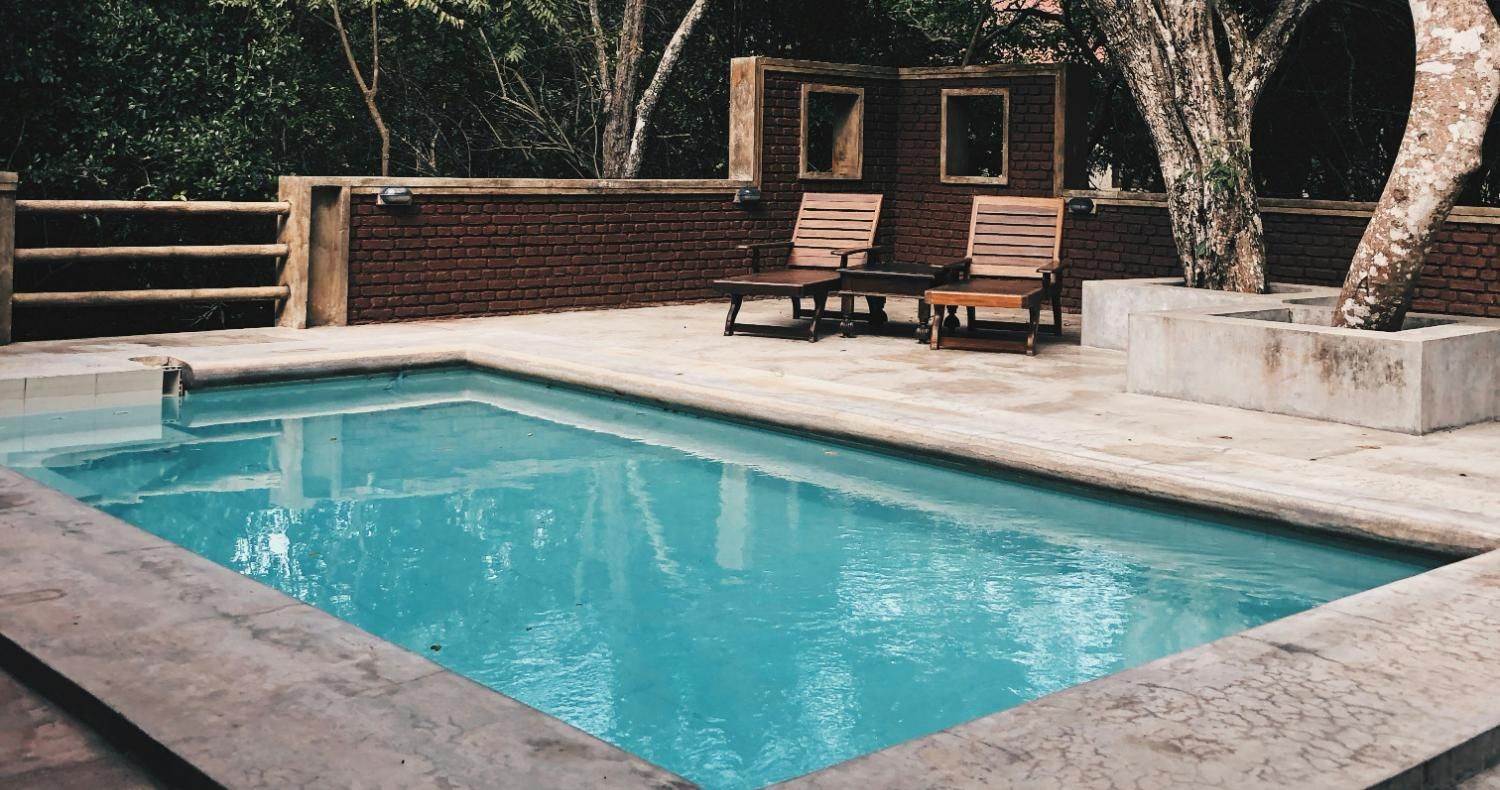
Commercial pool maintenance in CT generally covers several areas that help support water quality, equipment performance, safety, and routine facility operations in a consistent and manageable way.
Water Chemistry Management
Regular water testing and chemical adjustments help maintain appropriate pool conditions. The exact testing and treatment schedule may depend on usage, pool size, and operating requirements, which can change throughout the season.
Routine Pool Cleaning
Cleaning may include removing debris, brushing surfaces, vacuuming, and maintaining surrounding areas. Frequency can vary depending on swimmer activity, weather, and property conditions, especially during peak usage periods.
Filtration and Circulation Checks
Pumps, filters, skimmers, and circulation components should be reviewed regularly to help maintain consistent water movement and overall system performance, particularly in high-use commercial environments.
Equipment and Safety Inspections
Commercial pool maintenance may include checking equipment, deck areas, safety features, and other visible components for signs of wear, damage, or service needs that could affect daily operation.
Maintenance Documentation
Properties may need to maintain records of water testing, cleaning, inspections, chemical adjustments, and completed service. Documentation can also help property managers track recurring issues and support compliance needs.
Professional Service Support
Some Connecticut properties combine routine staff maintenance with a commercial pool service provider in CT for equipment repairs, technical inspections, seasonal work, or other specialized needs that go beyond daily upkeep.
Why Routine Maintenance Matters for Connecticut Properties
Consistent maintenance protects swimmer health, keeps the pool legally open, and extends the life of expensive equipment. For property managers, the stakes go beyond appearance, since water quality problems and safety violations carry real consequences.
Three risks stand out for commercial operators:
- Health and compliance risk: Poorly maintained water allows germs to spread and can trigger enforcement action. Under Connecticut Public Health Code Section 19-13-B33b, public pools must meet standards for water quality, disinfection, lifesaving equipment, and facility upkeep.
- Liability risk: Slippery decks, broken ladders, missing depth markers, and non-compliant drain covers create injury exposure for the property owner. Documented upkeep is often the first thing reviewed after an incident.
- Financial risk: Neglected water chemistry corrodes heaters, scales plumbing, and shortens filter life. Small weekly tasks cost far less than replacing a commercial pump mid-season.
- Operational risk: Poor maintenance can lead to unexpected closures, service interruptions, or equipment problems during busy periods. Consistent commercial pool maintenance helps property managers identify potential concerns earlier and keep daily pool operations more manageable.
Daily and Weekly Commercial Pool Maintenance Checklist
Daily and weekly tasks form the backbone of any commercial pool program. Most items take minutes but must happen on schedule, because high bather loads can shift water conditions within hours. Assign each task to a named staff member and log completion.
Step 1: Test and Balance Water Chemistry
Water chemistry management is the single most important daily task. The CDC recommends that public pool operators maintain free chlorine between 1 and 3 ppm, keep pH between 7.0 and 7.8, and test disinfectant and pH at least twice per day, moving to hourly testing during heavy use.
Daily checks should also include total alkalinity and water clarity. If readings drift outside range repeatedly, the cause is often circulation, filtration, or feeder problems rather than the chemicals themselves, and a service technician should evaluate the system.
READ MORE:
How to Lower pH in Pool Without Chemicals
Step 2: Skim, Vacuum, and Brush
Remove floating debris every day and empty skimmer and pump baskets. Vacuum the pool floor and brush walls, steps, and waterlines on a weekly schedule at minimum, more often during heavy pollen or leaf drop. Scrubbing prevents the slime layer that shelters algae and bacteria on tile and plaster surfaces.
Step 3: Check Filtration and Circulation
Verify that pumps, skimmers, and return jets are operating each day. Record filter pressure readings and backwash sand filters or rinse cartridges when pressure rises above the equipment's normal operating range. Weak circulation creates dead spots where sanitizer cannot reach, which is a common cause of recurring algae in apartment pool service calls.
Step 4: Walk the Deck and Safety Equipment
Inspect the deck daily for trip hazards, standing water, and damaged coping. Confirm that rescue equipment, first aid supplies, required signage, and the emergency phone are in place and functional. Check that gates latch and fencing is intact before the pool opens each morning.
Step 5: Log Everything
Record every test result, chemical addition, cleaning task, and repair in a maintenance log. CDC guidance calls for accurate records of disinfectant and pH measurements, and Connecticut health inspectors expect logs to be available on-site. Logs also protect the property if a claim or complaint ever arises.
Monthly and Seasonal Tasks for Commercial Pools
Beyond the daily routine, commercial pools need scheduled equipment inspections and seasonal transitions. Connecticut's freeze-thaw climate makes the opening and closing process especially important, since one missed drain line can crack plumbing over winter.
Monthly Equipment Inspections
Once a month, inspect pumps, motors, heaters, chemical feeders, and valves for leaks, noise, corrosion, and worn seals. Test ground fault protection on electrical equipment and confirm that flow meters and gauges read accurately. Catching a failing pump seal in June prevents an emergency closure in July.
Seasonal Opening and Closing
Outdoor commercial pools in Fairfield County and Litchfield County typically open in late spring and close by early fall. Opening involves removing covers, reassembling equipment, balancing water, and passing any required pre-opening inspection. Closing involves lowering water levels, blowing out lines, winterizing equipment, and securing the pool area. Many properties schedule commercial pool service for both transitions because mistakes at either end of the season are costly to correct.
Quarterly Documentation Review
Review maintenance logs, incident reports, staff assignments, and chemical inventory each quarter. Confirm that safety data sheets are current and that chemical storage areas remain locked, ventilated, and organized. A short quarterly review keeps small gaps from becoming inspection findings.
Pool Safety Inspections and CT Compliance Basics
Commercial pools in Connecticut answer to overlapping federal, state, and local requirements, and pool safety inspections verify that a facility meets them. Property managers do not need to memorize every code section, but they should know the framework their pool operates under.
Key compliance points include:
- State oversight: Connecticut may require public pools to receive state approval, and local health departments participate in inspections.
- Federal drain safety: Under the Virginia Graeme Baker Pool and Spa Safety Act, public pools must be equipped with compliant anti-entrapment drain covers, and certain single-drain configurations require a secondary entrapment prevention system.
- Local requirements: Barrier, signage, and staffing rules can vary by municipality and facility type. Requirements should always be confirmed with the local health department or building official for the specific property.
Because these rules involve health and safety, code-sensitive repairs, drain cover replacements, and structural work should be evaluated by a qualified professional rather than handled as routine in-house tasks.
Frequently Asked Questions
How should Connecticut commercial pools be checked after heavy rain or storms?
After heavy rain or severe weather, commercial pool maintenance in CT may include extra water testing, debris removal, deck checks, and a review of equipment operation. The exact steps depend on the property and the conditions after the event.
Can commercial pool service be scheduled around property operating hours?
Yes. Commercial pool service can often be planned around guest, resident, or facility schedules when access and safety requirements allow. Properties can coordinate service windows that reduce disruption to normal pool use.
What pool records should transfer when a Connecticut property changes service providers?
It helps to provide available maintenance logs, repair history, equipment information, inspection records, and recent water-testing data. A clear handoff gives the new provider a better picture of the pool's recent condition and service needs.
Can one maintenance plan cover multiple pools at the same Connecticut property?
Often, yes. A commercial pool service plan may be organized across multiple pools or related aquatic areas, with tasks and visit frequency adjusted for each location's use, equipment, and operating schedule.
How should routine maintenance be coordinated during a commercial pool renovation?
Routine care may need to change while renovation work is underway. Property managers can coordinate commercial pool maintenance, contractor access, and pool safety inspections so reopening tasks are handled in an organized sequence.

Need Dependable Commercial Pool Service in CT?
Commercial pools in FJV Construction is a licensed and insured pool contractor based in Danbury, CT, serving commercial and residential properties throughout Fairfield County and Litchfield County. Our team handles pool construction, renovation, repairs, and maintenance support for properties that need their pools clean, compliant, and open on schedule.
Keep your pool ready for residents and guests all season. Contact us to discuss a maintenance and service plan for your property.