Danbury Pool Permit Closeout: What to Check Before the Final Building Inspection
What’s In This Guide
- Quick Answer: What Danbury Inspectors Check Before Pool Closeout
- Why the Final Inspection Matters Before You Open the Pool
- Common Reasons Pool Permits Stall at Closeout
- How to Prepare for Your Final Pool Inspection: Step-by-Step
- Closeout Timing, Access, and Code-Sensitive Factors to Plan Around
- When to Call a Professional for Permit Closeout Help
- Frequently Asked Questions
- Ready to Finish Your Danbury Pool Project the Right Way?
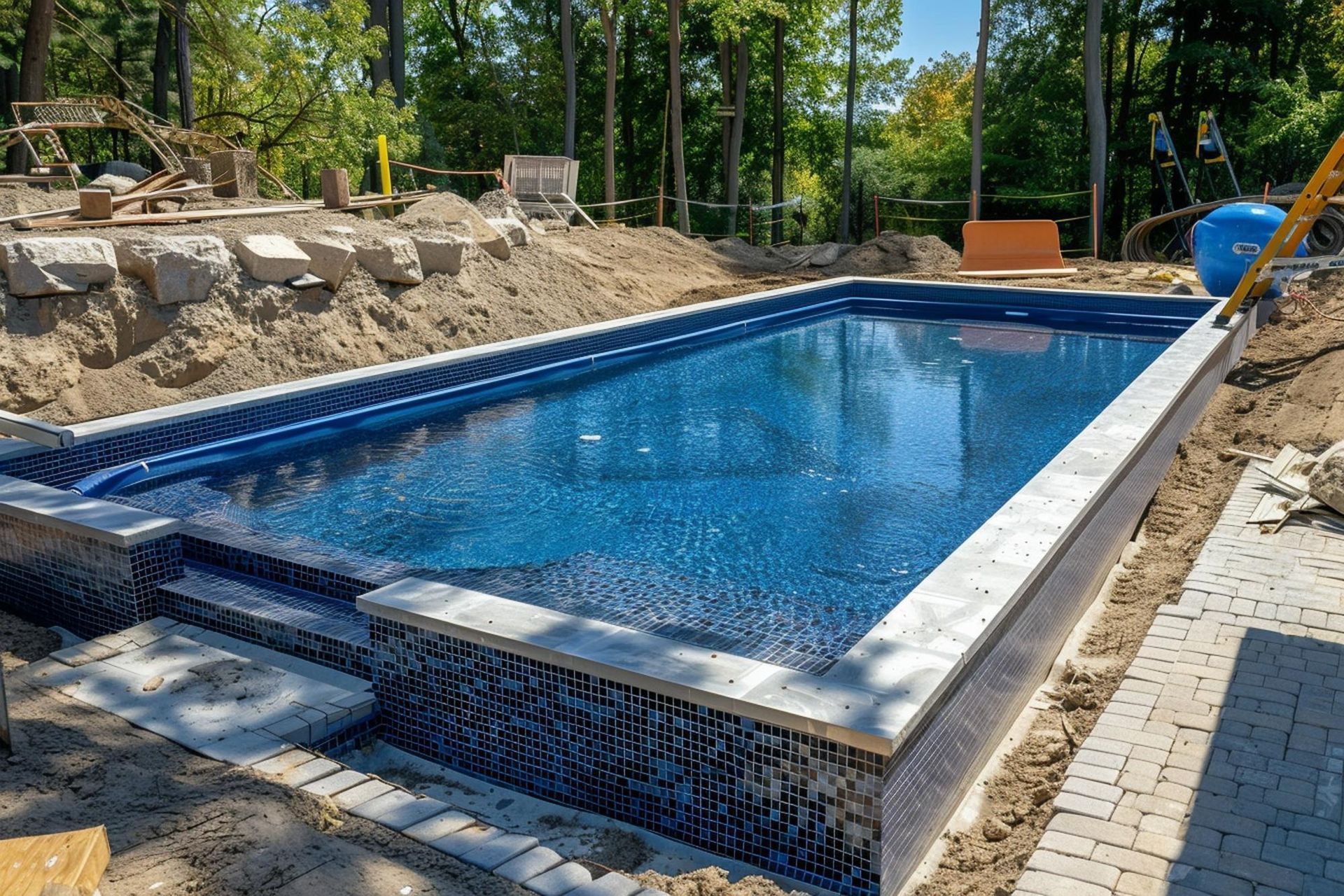
Reaching the final stretch of a project with top pool installation companies near Danbury feels different from the excavation and plumbing phases. The hole is filled, the equipment runs, and the water looks ready. But a Danbury pool permit is not closed until the final building inspection passes, and one overlooked item, like a barrier gate that swings the wrong way, can push the whole opening back by weeks.
Quick Facts
- Final inspection covers barrier compliance, electrical bonding, and site drainage.
- Under the 2022 Connecticut State Building Code, certain prefabricated pools 24 inches deep or less may be exempt from a building permit. The exact exemption depends on the code provisions applicable to the property, so homeowners should confirm permit requirements with the Danbury Building Department.
- CPSC guidelines recommend a pool barrier at least 4 feet high, with pedestrian access gates that open away from the pool and are self-closing and self-latching.
- Connecticut requires a pool alarm with the construction or substantial alteration of a residential swimming pool at a residence occupied by or being built for one or more families. Hot tubs and portable spas are exempt.
- Pool and spa drain covers must comply with the federal safety standard established under the Virginia Graeme Baker Pool and Spa Safety Act. The Act’s installation requirements apply specifically to public pools and spas.
- Danbury may require footing, rough electrical, rough plumbing, and final inspections when applicable to the project. The City notes that not every inspection on its general list applies to every project.

Quick Answer: What Danbury Inspectors Check Before Pool Closeout
A Danbury final pool inspection typically confirms barrier and gate compliance, electrical bonding and GFCI protection, proper drain covers, and grading that directs water away from the deck and neighboring property. Inspectors also verify that earlier rough inspections, including electrical and plumbing, were completed and signed off before the pool can be approved for use.
Why the Final Inspection Matters Before You Open the Pool
Under Danbury’s permit process, pool construction may require multiple inspections as work progresses, including applicable footing, rough electrical, rough plumbing, and final inspections. Danbury’s Building Department notes that its inspection list is general and that not every inspection applies to every project. It also states that all other city department approvals must be complete before the final building inspection is requested.
Beyond the immediate delay, an unresolved permit can create questions during a future home sale because permit status and inspection records may be reviewed as part of the property documentation. Danbury’s Building Department also processes requests involving open and closed permits, inspection records, outstanding code violations, and approval records.
Local building departments also use the final inspection to confirm barrier requirements intended to limit unsupervised access. The Centers for Disease Control and Prevention identifies drowning as the leading cause of death for children ages 1 to 4 in the United States, reinforcing the importance of properly installed pool barriers and gates.
Common Reasons Pool Permits Stall at Closeout
Closeout delays can result from barrier, electrical, documentation, grading, or plan-compliance issues. Reviewing these items in advance gives a homeowner or contractor a chance to address them before the inspector’s first visit.
| Closeout Issue | What the Inspector Is Checking | How to Avoid It |
|---|---|---|
| Barrier or gate noncompliance | Fence height, gap spacing, and whether applicable gates meet closing and latching requirements | Confirm barrier requirements against the applicable Connecticut code and Danbury requirements before scheduling |
| Incomplete electrical bonding | Bonding of the pool shell, deck, ladders, and metal fixtures, plus GFCI protection | Have the electrical rough and final signed off separately |
| Missing drain cover documentation | Anti-entrapment drain covers rated for the pool's flow rate | Keep manufacturer spec sheets on-site for the inspector |
| Poor site grading | Drainage sloped away from the pool, deck, and adjoining lots | Confirm final grading before the deck is fully set |
| Unpermitted deck or equipment changes | Match between approved plans and what was actually built | Report design changes to the building department before completion |
A Note on Barrier and Gate Details
Barrier deficiencies can cause a Danbury final inspection to be rescheduled. CPSC guidelines recommend a pool safety barrier at least 4 feet high, with pedestrian access gates that open away from the pool and are self-closing and self-latching. Exact height, gap, and latch placement specifications should always be confirmed with the Danbury Building Department, since applicable code requirements may be more specific than general CPSC guidance.
READ MORE: Is a Permit Required for Residential Swimming Pool Installation?
How to Prepare for Your Final Pool Inspection: Step-by-Step
A methodical walk-through before the inspector arrives can identify issues that might otherwise require corrections and another inspection.
1. Confirm Every Earlier Inspection Was Signed Off
Danbury’s minimum inspection list includes footing, rough electrical, rough plumbing, and final inspections when applicable, but the City notes that not every listed inspection applies to every project. Confirm that every inspection required for the specific pool project has been completed before requesting permit closeout.
2. Verify Barrier and Gate Compliance
Walk the full perimeter to verify barrier compliance. Check that openings and clearances meet the applicable requirements. Test that pedestrian gates open away from the pool, close and latch on their own without sticking, and confirm that latch placement meets the applicable barrier requirements.
3. Check Electrical Bonding and GFCI Protection
Pool electrical systems must meet separate requirements for equipotential bonding and GFCI protection. Required conductive components and perimeter surfaces are bonded to reduce voltage differences around the pool, while applicable pumps, receptacles, lighting, and other electrical equipment require GFCI protection under the electrical code. These safety requirements are typically reviewed through the applicable electrical inspections before final building sign-off.
4. Confirm Drain Covers and Equipment Documentation
Keep manufacturer documentation for anti-entrapment drain covers accessible. The Virginia Graeme Baker Pool and Spa Safety Act establishes a mandatory federal safety standard for pool and spa drain covers, while its installation requirements apply specifically to public pools and spas. Filter, pump, and heater spec sheets should also be available on-site in case the inspector requests them.
5. Review Grading, Drainage, and Deck Surfaces
Proper site drainage is critical during inspection. Confirm that surface water sheds away from the pool coping, deck, and adjoining lots to prevent localized flooding or foundation erosion. Uneven or reverse-sloped decking that causes runoff to collect near the pool or pool equipment can create drainage issues that may need correction before closeout.
6. Schedule the Final Inspection With the Danbury Building Department
Once every item above is confirmed, contact the
Danbury Building Department to schedule the visit. The department maintains a dedicated Danbury pool guide and a separate document listing requirements to check before requesting a final building inspection. Review both against the completed project beforehand.
Closeout Timing, Access, and Code-Sensitive Factors to Plan Around

Final inspection timing varies by project because site access, weather, project scope, required documentation, and how closely construction followed the approved plans can all affect permit closeout. Projects involving retaining walls, tight lot lines, custom water features, or other additional permitted work may require more items to be reviewed before approval.
Factors that commonly affect timing and any related closeout costs include:
- Scope of the original permit, including decking, fencing, and equipment
- Site conditions such as slope, soil, and drainage complexity
- Accessibility for the inspector to view equipment pads and bonding points
- Seasonal scheduling demand at the building department
- Whether any design changes occurred mid-project and need documentation
- Weather conditions affecting deck curing or landscaping completion
Because every property and project scope is different, it is not accurate to promise a fixed closeout cost or timeline in general content like this. A licensed contractor familiar with the specific site and plan set is better positioned to estimate what remains.
When to Call a Professional for Permit Closeout Help
A qualified pool contractor can help coordinate permit closeout when a project fails inspection or requires pool-related corrections or missing documentation. Electrical and other trade-specific corrections should be handled by the appropriately licensed professional. Homeowners searching for pool contractors near me at this stage may also need help reviewing a correction notice and coordinating the next inspection.
A qualified professional can also help before that point by reviewing the site against the barrier, bonding, and drainage items covered above prior to the inspector’s visit. A pre-inspection review can identify potential corrections before the final inspection is scheduled.
Frequently Asked Questions
Does every backyard pool in Connecticut need a permit?
Most in-ground and many above-ground pools require permits. Under the 2022 Connecticut State Building Code, certain prefabricated pools 24 inches deep or less may be exempt from a building permit. Homeowners should confirm which permit requirements apply to their specific project with the Danbury Building Department.
Can a pool be used while the final inspection is still pending?
Homeowners should wait for the required final approvals before using the pool. Barrier, electrical, drainage, and other safety-related items may still be awaiting verification, so the safest approach is to confirm approval status with the Danbury Building Department before opening the pool for use.
What happens if a Danbury pool fails its final inspection?
The inspector will typically identify items that need correction before closeout can proceed. Once those issues are addressed, another inspection may be required to verify the work and complete the permit process.
Can unfinished landscaping delay a final pool inspection?
It can if unfinished grading, drainage, access, or surrounding site work affects an item the inspector needs to evaluate. Decorative landscaping may be less important, but work tied to safe access or proper drainage should be completed before requesting the final inspection.
What if the completed pool does not exactly match the approved plans?
Changes to the pool, deck, equipment location, fencing, or other permitted work may need to be reviewed before final approval. Homeowners should raise plan changes with the contractor and building department rather than waiting for the inspector to discover them during the final visit.
Ready to Finish Your Danbury Pool Project the Right Way?
FJV Construction is a licensed and insured pool construction, masonry, and excavation contractor serving Danbury, CT. Our team works with homeowners through every stage of a pool build, including the details that come up at permit closeout.
Homeowners planning a new pool, or working through the final steps on one already underway, can connect with a local team that handles the project from planning through closeout.