Gunite vs. Fiberglass vs. Vinyl Pools: CT Longevity Guide
What's in This Guide
- What Are the Three Pool Types Connecticut Homeowners Compare?
- How Long Does Each Pool Type Last in Connecticut?
- How Does Connecticut's Climate Affect Pool Surface Durability?
- What Pool Surface Maintenance Does Each Type Require Year-Round?
- Which Pool Type Works Best for Different Connecticut Properties?
- How Do You Choose the Right Pool for a Connecticut Property?
- Frequently Asked Questions About Pool Types in Connecticut
- Ready to start planning your Connecticut pool?
Selecting a pool material is one of the most consequential decisions a Connecticut homeowner makes before construction begins. Gunite, fiberglass, and vinyl liner pools each carry a different structural lifespan, surface replacement schedule, and total cost profile. Connecticut's freeze-thaw winters create climate variables that homeowners in warmer states never have to navigate.
Quick Facts
- Gunite lasts 50+ years structurally but needs resurfacing every 10 to 15 years.
- Fiberglass carries the lowest 20-year maintenance cost of the three types.
- Vinyl liners require replacement every 7 to 12 years.
- Freeze-thaw winters accelerate surface damage without proper seasonal closing.
- The right material depends on site conditions, budget, and maintenance tolerance.
What Are the Three Pool Types Connecticut Homeowners Compare?
| Pool Type | Construction Method | Customization Level |
|---|---|---|
| Gunite | Shotcrete applied over a steel rebar framework, built on-site | High (any shape or depth) |
| Fiberglass | Pre-molded factory shell craned into an excavated site | Low (pre-set manufacturer shapes) |
| Vinyl Liner | Rigid frame (steel, aluminum, or polymer) with a replaceable liner insert | Moderate |
Gunite pools are fully custom because every dimension is built on-site from raw materials. Fiberglass pool installation in CT places a factory-molded shell into a prepared excavation, limiting shape options but reducing on-site placement to one to three days.
Vinyl liner pools pair a structural frame with a flexible interior liner. That liner is the component replaced on a recurring schedule throughout the pool's operational life.
The ideal material depends on your specific site conditions, budget, and personal maintenance tolerance.
How Long Does Each Pool Type Last in Connecticut?
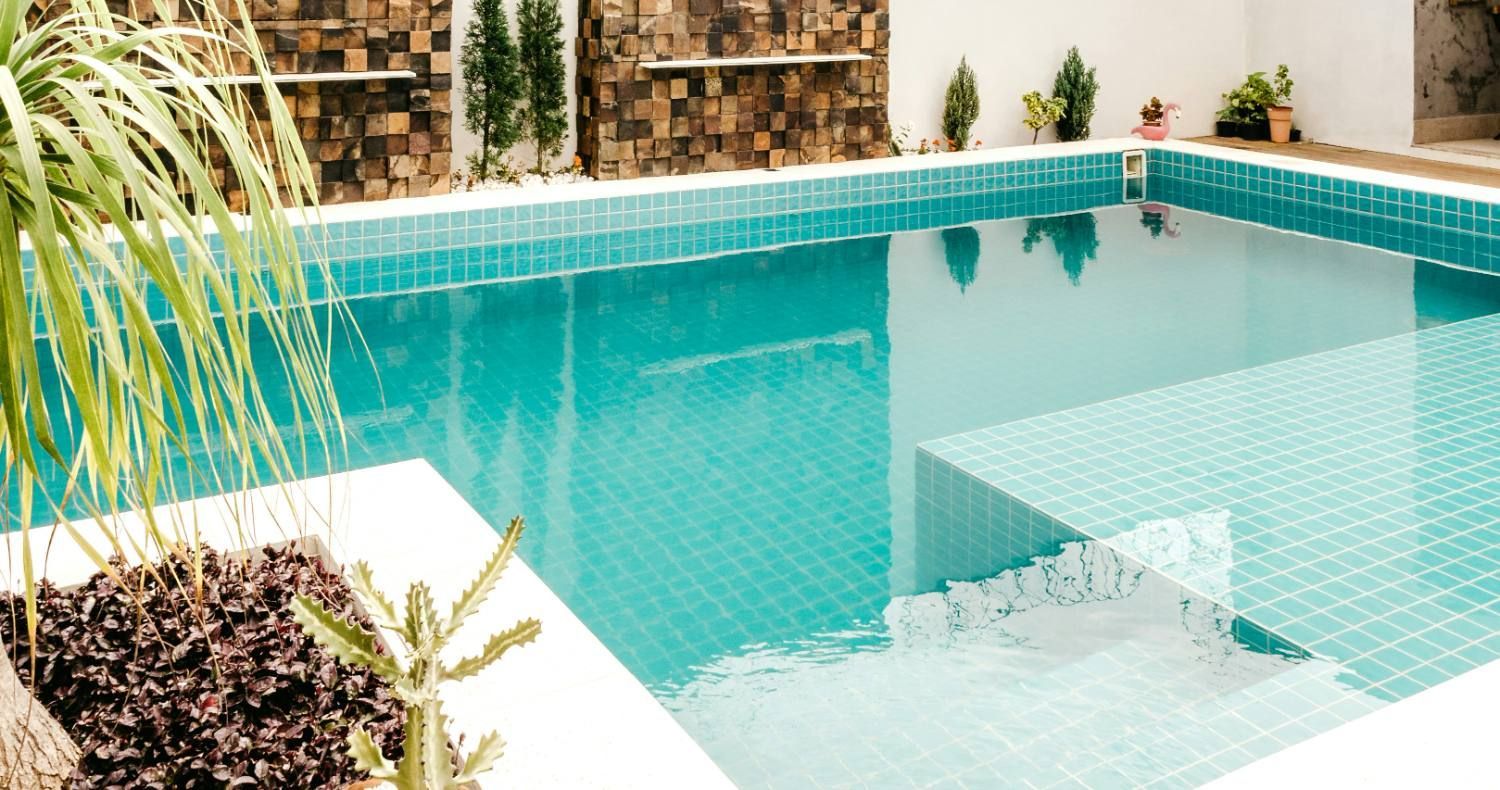
Pool lifespan is usually measured in two ways: how long the structure lasts and how long the interior surface lasts. The structure may hold up for decades, but liners, plaster, coatings, and finishes usually need attention much sooner.
That difference matters because many homeowners underestimate long-term pool costs by looking only at the structural lifespan.
| Pool Type | Structural Lifespan | Surface/Component Lifespan | Resurfacing Frequency |
|---|---|---|---|
| Gunite | 50+ years | 10 to 15 years (plaster or pebble) | Every 10 to 15 years |
| Fiberglass | 25 to 30 years | 15 to 20 years (gel coat) | Rarely within the first 20 years |
| Vinyl Liner | 25 to 30 years (frame) | 7 to 12 years (liner) | Every 7 to 12 years |
How Long Does a Gunite Pool Last?
The gunite concrete shell routinely exceeds 50 years without structural failure when properly installed and winterized. Plaster finishes typically last 10 to 12 years before staining, roughness, or surface erosion requires resurfacing. Pebble and quartz finishes extend that interval to 12 to 18 years.
Gunite is also the most porous of the three materials. Water and pool chemicals absorb into the plaster surface, increasing algae adhesion and raising sanitizer demand. Surface porosity is a key driver of maintenance frequency and chemical consumption in concrete pools.
How Long Does a Fiberglass Pool Last?
Fiberglass pool installation in CT delivers a structural lifespan of 25 to 30 years, typically backed by a manufacturer's warranty. The non-porous gel coat surface is the primary durability advantage over gunite.
- Gel coat lifespan: 15 to 20 years before visible fading, oxidation, or hairline cracking appears.
- Gel coat spot repairs average $300 to $1,500 for localized damage, far below a full gunite resurfacing project. Final repair costs vary by pool size, damage severity, materials, and contractor pricing.
- Connecticut soil note: fiberglass shells can shift or bow in high water table conditions common across Fairfield County and coastal areas. Always complete a comprehensive soil and drainage assessment before confirming fiberglass for your property.
How Long Does a Vinyl Liner Pool Last?
While the structural frame lasts 25 to 30 years, the liner dictates the recurring cost cycle for vinyl pools.
- Standard liner lifespan: 7 to 12 years. UV exposure, chemical imbalance, and physical punctures are the primary causes of early failure.
- Liner thickness options: 20 mil (entry-level), 28 mil (mid-grade), and 30 mil (premium). Thicker gauges consistently reach the upper end of the lifespan range.
- Liner replacement cost in Connecticut: Ranges from $3,500 to $7,000 per cycle, depending on pool size and liner grade. Actual replacement costs vary by pool size, liner thickness, site access, and installer pricing.
Planning Your Backyard Oasis?
Every Connecticut property features unique soil and drainage conditions. Before committing to a pool type, let our team perform an on-site evaluation to ensure your investment stands the test of our freeze-thaw climate.
How Does Connecticut's Climate Affect Pool Surface Durability?
Connecticut's winter temperatures create repeated freeze-thaw stress on pool surfaces and plumbing systems. Connecticut experiences sub-freezing temperatures repeatedly from December through March in inland communities such as Bethel, Danbury, and New Milford. Each pool material responds to that seasonal stress differently.
| Pool Type | Primary CT Climate Risk | Key Mitigation Step |
|---|---|---|
| Gunite | Plaster spalling from freeze pressure on water absorbed in the porous surface | Lower water level; apply winterizing chemicals before closing |
| Fiberglass | Shell shifting in unstable or high water table backfill conditions | Drain all plumbing lines; confirm proper backfill compaction at installation |
| Vinyl Liner | Liner brittleness and cracking from cold temperatures and off-balance chemistry | Balance water chemistry before closing; use an air pillow beneath the pool cover |
Gunite plaster is the most freeze-vulnerable of the three because water retained in the porous material expands under freezing temperatures and causes surface spalling.
Fiberglass shells flex under temperature changes without surface cracking, but ground movement around an improperly backfilled shell is a documented installation risk in variable Connecticut soil.
Professional seasonal closing by a licensed Connecticut pool contractor is one of the most reliable ways to protect all three pool types from premature surface damage.
What Pool Surface Maintenance Does Each Type Require Year-Round?
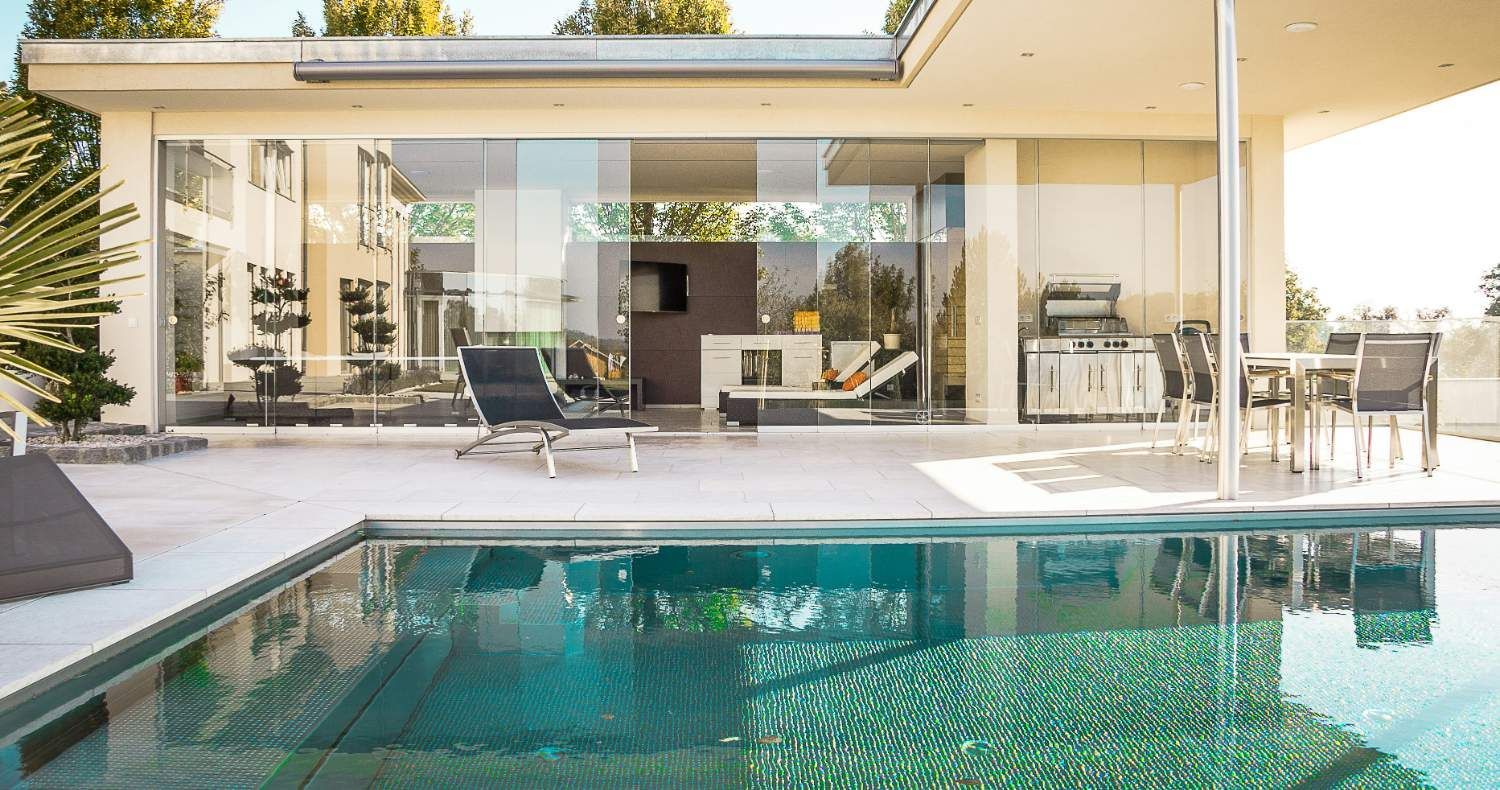
Pool surface maintenance requirements differ substantially across all three pool types. The CDC's Healthy Water program recommends maintaining residential pool pH between 7.0 and 7.8 and free chlorine at 1 to 3 ppm. How easily a pool surface holds those targets determines weekly labor time and annual chemical spend.
Gunite
The porous plaster surface absorbs chlorine and supports algae adhesion. Weekly stiff-bristle brushing is required. Chlorine demand runs higher than fiberglass or vinyl, and shock treatments during peak summer use are more frequent.
Fiberglass
The non-porous gel coat does not absorb chemicals and provides minimal adhesion points for algae. Brushing requirements drop considerably compared to gunite. Water chemistry stabilizes more reliably between testing intervals, reducing corrective dosing over a full season.
Vinyl Liner
The smooth liner surface resists algae when chemistry stays in range. The primary risk is allowing pH to fall below 7.0. Acidic water degrades vinyl liner material faster than any other factor and shortens replacement cycles significantly.
MORE ON THIS TOPIC:
Why Gunite Is the Top Choice for Swimming Pool Installation (And What Homeowners Should Know)
Which Pool Type Works Best for Different Connecticut Properties?
Site conditions, yard layout, and household priorities all influence which pool material holds up best over time on a specific Connecticut property. Matching the right material to the right property from the start is one of the most effective ways to protect long-term pool lifespan.
Gunite Works Best For
- Properties with irregular yard shapes, significant slopes, or terrain that requires a fully custom pool footprint.
- Homeowners who want depths exceeding 8 feet, such as for diving configurations or integrated spa structures.
- Long-term homeowners who plan to stay in the property for 20 or more years and want maximum design permanence.
- Large properties in Litchfield County or inland Connecticut where soil stability supports concrete construction without high water table risk.
Fiberglass Works Best For
- Properties in Fairfield County or coastal Connecticut where stable, well-drained soil allows proper shell backfill and support.
- Homeowners prioritizing the lowest possible pool surface maintenance cost over a 10 to 20-year window.
- Households with high swimmer volume, since the non-porous surface holds chemical balance more consistently under heavy use.
- Homeowners who want a faster installation timeline, as fiberglass shell placement typically completes in one to three days once excavation is finished.
Vinyl Liner Works Best For
- Homeowners with tighter construction budgets who want an inground pool at the lowest entry cost.
- Properties with straightforward rectangular or geometric layouts where liner fitting is simpler and more cost-effective.
- Homeowners who are comfortable with a planned liner replacement cycle every 7 to 12 years as part of long-term ownership.
- Families with young children who prefer a softer, smoother underfoot surface during active pool use.
How Do You Choose the Right Pool for a Connecticut Property?
The right pool material depends on budget structure, site conditions, design priorities, and long-term maintenance tolerance. Work through these five steps before contacting pool designers near you in Connecticut.
Step 1: Compare Installation Cost Against 20-Year Ownership Cost
Fiberglass costs more upfront than vinyl but produces a lower estimated 20-year total. Gunite offers the most design flexibility but carries the highest long-term maintenance expense for most residential projects.
Step 2: Complete a Soil and Water Table Assessment Before Selecting Fiberglass
High water table conditions across Fairfield County and coastal Connecticut create specific installation risks for fiberglass shells. This site assessment is an important step before committing to fiberglass on any Connecticut property.
Step 3: Define Design Requirements Before Comparing Materials
Gunite is the only option for fully custom shapes, depths beyond 8 feet, or complex integrated features. If a standard manufacturer shape fits the project, fiberglass removes the largest long-term cost category without compromising build quality.
Step 4: Budget for Professional Winterization Every Year
All three pool types require seasonal closing in Connecticut. Gunite demands the most thorough process to protect the plaster surface from freeze-thaw damage. Professional closing is a recommended recurring cost regardless of material.
Step 5: Schedule an On-Site Evaluation With a Local Pool Contractor
Yard grading, drainage capacity, local setback requirements, and municipal permit conditions vary by Connecticut town. An on-site assessment by a licensed contractor identifies the materials and site preparations appropriate for a specific property. FJV Construction serves Bethel, Danbury, Brookfield, and surrounding Connecticut communities.
Frequently Asked Questions About Pool Types in Connecticut
Do you need a permit for an inground pool in Connecticut?
Yes. All inground pool installations in Connecticut require a building permit covering site plans, zoning review, and inspections. Requirements vary by town. Check with your local building department or the Connecticut Department of Consumer Protection for specifics.
How do saltwater systems affect pool surface lifespan?
Saltwater systems are compatible with all three pool types, but consistent water chemistry monitoring is critical. Fiberglass handles salt exposure best due to its non-porous gel coat. Gunite plaster and vinyl liners degrade faster when salt levels or pH drift out of the recommended range.
Can a vinyl liner pool be converted to gunite or fiberglass?
Conversion is rarely cost-effective. Both options require full excavation and a complete structural rebuild, with final costs that frequently approach new pool construction pricing. A licensed Connecticut pool contractor can assess whether conversion or a full replacement makes more financial sense for your property.
Which pool type adds the most resale value in Connecticut?
Gunite pools carry the strongest perceived resale value due to structural permanence and design customization. Fiberglass pools in good condition are competitive in the Connecticut market. Vinyl liner pools add value at a lower rate because buyers typically factor upcoming liner replacement costs into their offer.
How do you find a licensed pool contractor in Connecticut?
Use the contractor license lookup tool at the Connecticut Department of Consumer Protection. Search by trade category to confirm an active license and verify that the contractor carries liability insurance before signing any pool construction agreement.
Ready to start planning your Connecticut pool?
FJV Construction is a licensed and insured construction company serving residential and commercial clients across Bethel, Danbury, Brookfield, and surrounding Connecticut communities.
Every project starts with an honest assessment of site conditions, budget, and realistic timelines before any material recommendation is made.