Step-by-Step Pool Installation Process
Key Takeaways
✔ Pool installation is a structured, multi-step process that requires precision at every stage.
✔ Local pool construction near me offers advantages in permitting, climate considerations, and code compliance.
✔ Professional pool designers near me ensure the layout, materials, and features match your lifestyle and property.
✔ Structural work, plumbing, gunite application, and finishing determine long-term durability.
✔ Maintaining your new pool properly during the first month and beyond preserves surface quality and equipment efficiency
Table of Contents
Understanding the Step-by-Step Pool Installation Process
4 Maintenance Tips After Your Pool Installation Is Complete
Why Proper Winterization is Essential
How to Build Pool Steps From Scratch
Why Working With FJV Construction Ensures a Smooth Pool Installation
Transform your backyard into a personalized retreat with a clear, step-by-step pool installation process that removes confusion, cuts through misinformation, and helps you make confident decisions. Whether you're planning for summer fun, increasing home value, or creating a family-friendly outdoor space, understanding how pools are built is essential.
The journey from concept to completion involves strategic planning, professional coordination, and precision—especially when working with experienced teams offering pool construction near me. This guide breaks down every phase so you know exactly what to expect before your project begins.
Understanding the Step-by-Step Pool Installation Process
Building a pool is a multi-phase project involving careful design, excavation, structural assembly, finishing, and system setup. Accuracy at every stage influences durability, efficiency, and safety. Homeowners benefit most when collaborating with seasoned pool designers near me who create a layout tailored to your backyard, budget, and lifestyle. Their expertise ensures the pool meets building regulations, integrates naturally with the landscape, and supports long-term performance.
Step 1. Initial Consultation and Design Planning With Expert Pool Designers
The installation process begins with a thorough consultation. During this meeting, your design team assesses your yard’s dimensions, soil condition, sunlight patterns, and drainage pathways. You’ll discuss shape, materials, depth, finishes, and custom features such as tanning ledges, integrated spas, or waterfalls.
Local pool designers near me are especially valuable because they understand regional zoning rules and environmental factors unique to Danbury, CT. Their personalized planning ensures your pool functions well and blends seamlessly with your outdoor space.
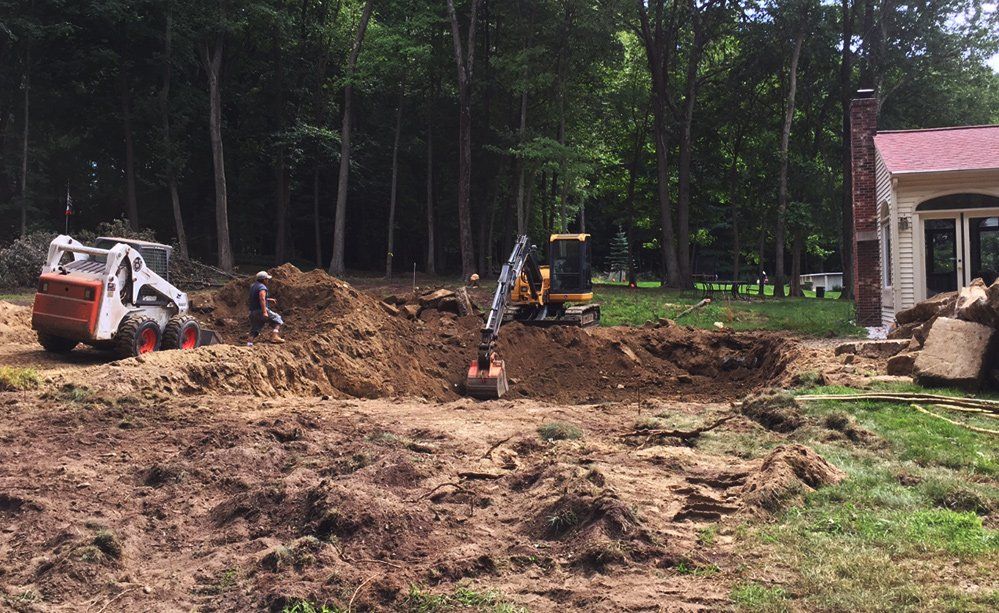
Step 2. Site Preparation and Excavation for Pool Construction
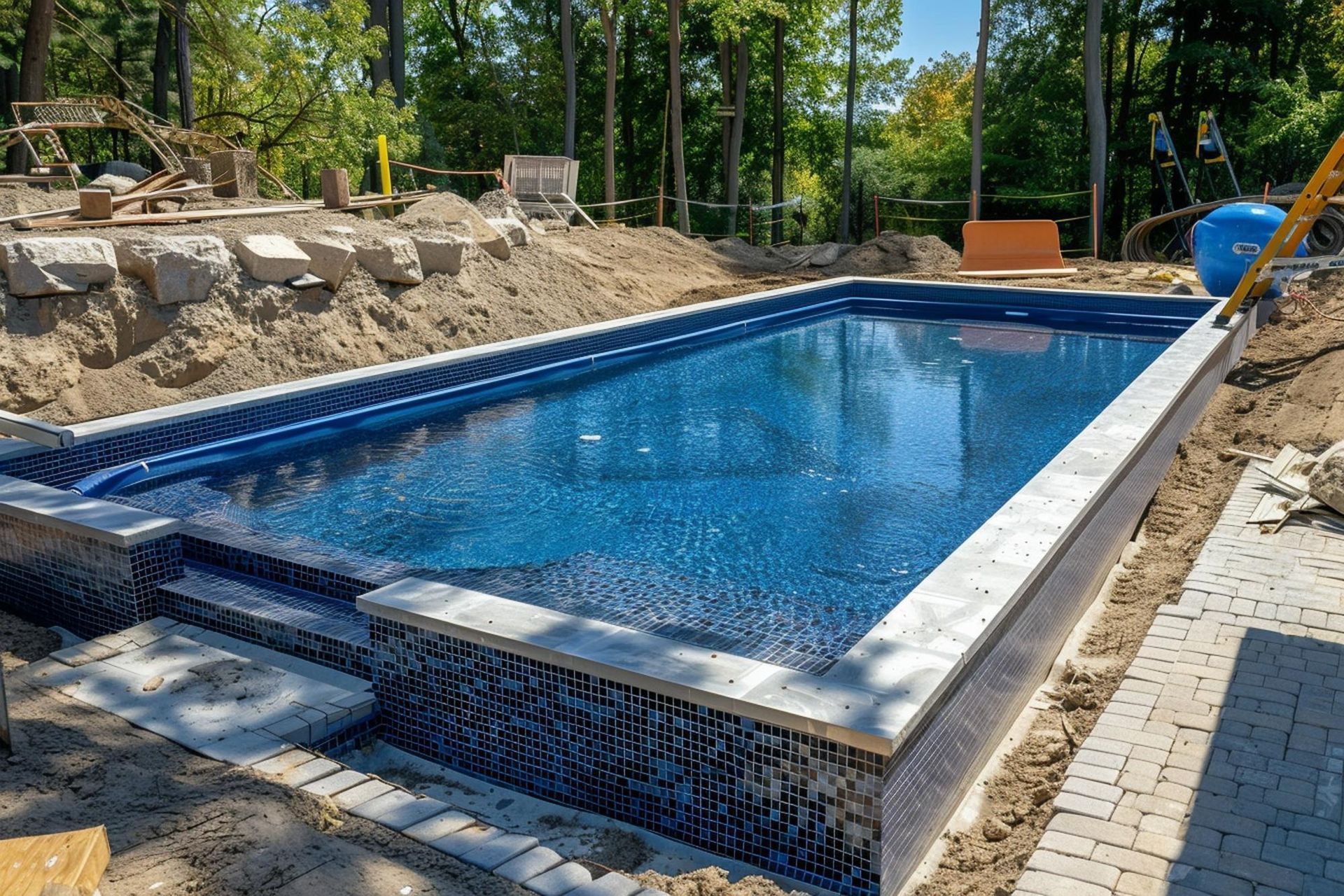
Once the design is finalized, the site is prepared and marked for excavation. Crews use heavy equipment to dig the pool according to exact specifications. Soil removal, grading, and trenching for plumbing also occur at this stage. Danbury terrain can vary, so contractors must adjust for rock, slope, or groundwater concerns to ensure structural stability.
Working With Professional Pool Construction Near Me
Hiring reliable pool construction near me ensures local crews understand Connecticut building codes, seasonal challenges, and inspection requirements. These experts manage logistics, scheduling, and coordination so the excavation and structural phases proceed on time.
Step 3. Structural Framework: Forming, Plumbing & Steel Installation
After excavation, crews build the structural backbone of your pool. Steel rebar is installed to reinforce the shell and support concrete application. Next, plumbing lines are added for filtration, circulation, heating, and optional water features. Correct pipe sizing and placement are critical to performance and long-term efficiency.
Step 4. Electrical Setup & Safety Protocols
Pools require dedicated electrical systems for pumps, lights, and automation. Licensed electricians handle grounding, bonding, and wiring according to Connecticut safety standards. This step ensures every component operates safely and efficiently once the pool is filled.
Step 5. Shotcrete or Gunite Application and Curing Process
Shotcrete or gunite is applied over the rebar structure, forming the permanent shell. Skilled technicians shape steps, benches, and contours during this phase. Curing is essential to achieve proper hardness and structural integrity. Rushing curing time can lead to cracks or surface issues later.
Step 6. Tile, Coping & Decking Installation
Once the shell cures, aesthetic details come to life. Tile installers apply waterline tile, while masons set coping stones around the pool edge. The surrounding deck is constructed from pavers, concrete, or stone to enhance appearance, safety, and functionality.
Step 7. Interior Finish, Filling & System Startup
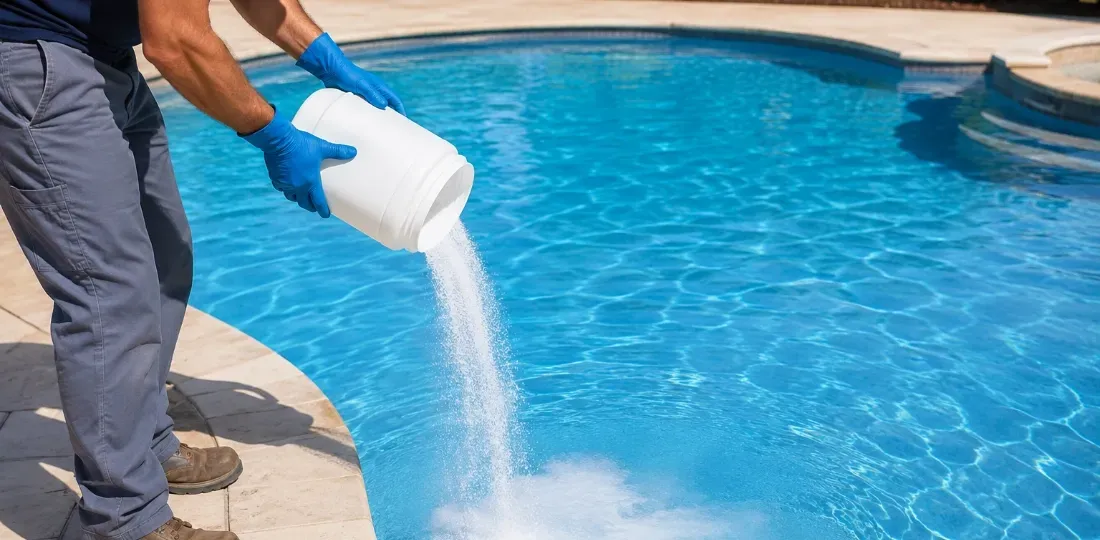
The interior finish—plaster, quartz, or pebble—is applied to seal and beautify the pool. Immediately after, the pool is filled with water to protect the surface from uneven drying. Technicians then balance water chemistry, test equipment, and calibrate settings for filters, pumps, and heaters.
Step 8. Final Walkthrough & Quality Inspection
A final inspection ensures every detail meets design expectations and local code. You’ll review warranties, maintenance instructions, and operational features before the project is officially completed.
4 Maintenance Tips After Your Pool Installation Is Complete
1. Caring for Your Pool During the First 30 Days
Right after installation, your new pool requires attentive care as the interior surface cures. This curing period is crucial for long-term durability. Brushing the pool surface daily removes plaster dust and helps create a smooth, uniform finish.
Water chemistry must be closely monitored during this time—maintaining proper pH, alkalinity, and calcium hardness prevents staining, scaling, or texture irregularities. These early steps establish a healthy foundation for the entire lifecycle of your pool.
2. Establishing a Routine Cleaning Schedule
After the first month, your maintenance focus shifts to routine cleaning. Skimming debris, brushing walls, vacuuming the floor, and emptying skimmer baskets keep your pool free of buildup.
Regular attention to cleanliness ensures better water circulation and reduces demand on your filtration system. In addition, maintaining consistent pump run times supports proper water turnover, which is essential for
keeping your pool clear and balanced.
3. Filtering, Circulation, and Equipment Care
Pool filters—whether cartridge, sand, or DE—need routine cleaning or backwashing to function effectively. Monitoring filter pressure and addressing changes early prevents equipment strain and maintains energy efficiency.
Pumps, heaters, chlorinators, and automation systems should also be inspected periodically to ensure they’re operating correctly. This type of preventative care helps identify minor issues before they become costly repairs.
4. Seasonal Adjustments for Danbury, CT Homeowners
Seasonal changes in Connecticut require modifications to your pool care routine. Summer heat increases chemical consumption and evaporation, while cooler temperatures may require adjustments to pump schedules and chemical dosing. Maintaining proper water levels throughout the year is essential to protect your pool equipment and support consistent filtration.
Why Proper Winterization is Essential
In climates like Danbury, CT, winterizing your pool is one of the most important steps in long-term maintenance. This process typically includes lowering water levels, blowing out and sealing plumbing lines, adding winter chemicals, and installing a secure safety cover.
Proper winterization protects your pool from freeze damage, prevents cracked plumbing, and minimizes algae growth during colder months. When done correctly, it ensures a smooth and stress-free spring opening.
By following a consistent maintenance routine—from early curing stages to seasonal care—you safeguard your investment, extend your pool's lifespan, and maintain sparkling water quality year-round.
How to Build Pool Steps From Scratch
Creating the Structural Framework
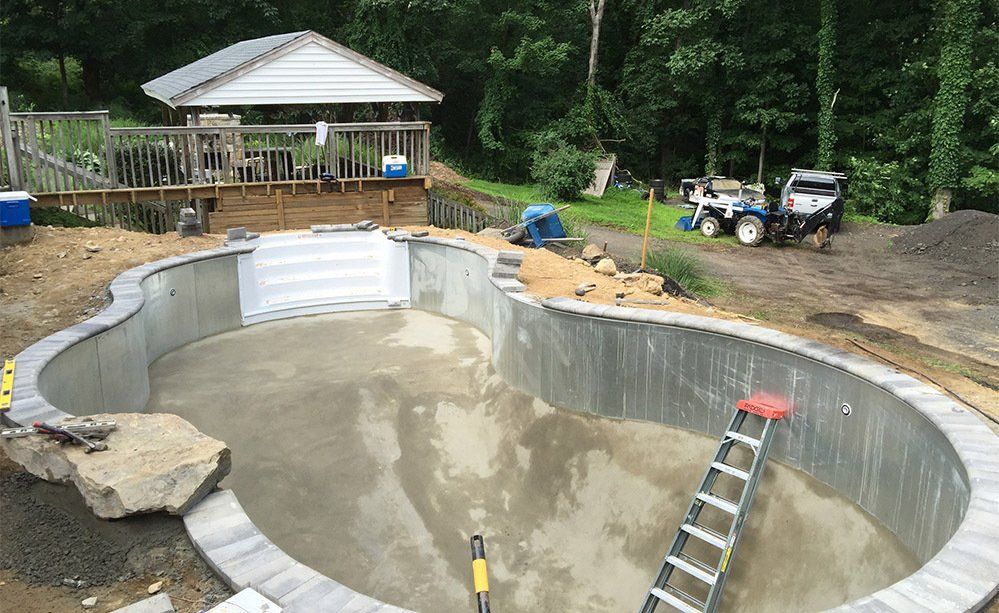
Building pool steps from scratch begins during the structural framing stage. Installers bend and position steel rebar to outline each step's shape, forming a reinforced skeleton that ties directly into the pool’s main shell. This rebar grid provides critical strength, ensuring the steps can withstand continuous use and long-term water pressure without shifting or cracking.
Applying and Shaping Shotcrete or Gunite
After the steel framework is secured, shotcrete or gunite is applied over the structure. Skilled technicians sculpt the steps by hand, defining the rise, run, and overall contour of each stair. Precision here is essential—proper shaping ensures the steps are comfortable, safe, and visually aligned with your pool’s design.
Finishing the Surface for Safety and Style
Once the concrete shell cures, the steps are finished with plaster, pebble, quartz, or tile to match the rest of the pool’s interior. Tile or accent striping is often added to the edge of each step, improving visibility and reducing slip hazards. This finishing stage transforms the raw structure into a polished, functional entry area.
Customizing Step Designs
Building steps from scratch allows for full customization. Homeowners can choose from wide tanning ledges, curved entry steps, wraparound benches, extended lounging platforms, or sharp modern lines. Because the steps are crafted on-site, almost any shape or configuration is possible.
Why Experienced Contractors Are Essential
Constructing pool steps requires advanced structural knowledge and strict adherence to local building codes. Experienced pool contractors near me ensure that the steps are reinforced correctly, shaped accurately, and finished for both durability and safety. Their expertise guarantees a stable, long-lasting feature that becomes an integral pat of your pool’s overall design.
Quick Facts | What Homeowners Should Know
- Average residential pool projects take 8 to 12 weeks, depending on weather and complexity.
- Gunite pools offer the most design flexibility for custom shapes.
- Proper excavation and soil evaluation prevent structural issues later.
- Electrical and plumbing phases directly influence efficiency and safety.
- Local pool contractors near me can streamline permitting, inspections, and scheduling.
Why Working With FJV Construction Ensures a Smooth Pool Installation
FJV Construction brings specialized expertise in the Danbury, CT region, handling everything from design to finishing. Their team of skilled pool designers, project managers, and installers ensures clarity, communication, and craftsmanship throughout every stage.
With deep local knowledge, they anticipate challenges before they arise and deliver a high-end result built to last. Homeowners trust FJV Construction for their hands-on process, transparent timelines, and commitment to quality.
Frequently Asked Questions | Pool Installation Process
How to build a pool step by step?
A pool is built through planning, excavation, structural framing, plumbing, electrical installation, concrete or gunite application, interior finishing, and equipment startup. Working with experienced teams offering pool construction near me ensures each phase is completed to code and optimized for longevity.
How long does it take to build a pool?
Most pools take 8 to 12 weeks to complete, depending on design complexity and local conditions. Established pool contractors near me can provide accurate timelines based on Danbury requirements and project specifics.
How to make a swimming pool step-by-step PDF?
Homeowners can request a customized project summary or step-by-step PDF from professional pool designers near me. FJV Construction often supplies tailored documents based on your design and construction plan.
How are pool steps installed?
Steps are crafted during the gunite or shotcrete application, using steel reinforcement and precision shaping. In vinyl or fiberglass pools, prefabricated steps are installed into the structure. Local pool construction experts ensure they meet safety and design standards.
What influences the overall pool installation timeline?
Weather, soil type, permitting, material selection, and contractor availability affect the schedule. Choosing trusted pool contractors near me helps avoid delays and maintain a smooth workflow.
Take the Next Step Toward Your New Pool in Danbury, CT
Now that you understand the entire pool installation process from design to completion, you’re better equipped to make confident decisions. FJV Construction is ready to guide you through every step and deliver a pool that enhances your home, lifestyle, and long-term value.
If you’re ready to transform your backyard,
reach out to FJV Construction and begin your custom pool project in Danbury, CT.