Smart Pool Technology 2026: 9 Automation Features Making Maintenance a Breeze
Essential Points
✔ Smart pool tech automates cleaning, filtration, chemistry, heating, and lighting using real-time data.
✔ Dosing systems, robotic cleaners, and smart pumps prevent algae, cloudiness, and equipment strain.
✔ Predictive monitoring flags early issues with pumps, filters, heaters, flow, and pressure.
✔ Choose systems based on compatibility, scalability, app ease, support, and durability.
✔ Pro installation improves integration and warranties, and many upgrades fit existing pools.
Explore This Guide
- 9 Pool Automation Features for Hassle-Free Maintenance
- Automation vs Traditional Pool Systems: Key Differences
- What to Look for When Choosing a Smart Pool System
- Professional Installation vs DIY Automation Setups
- Frequently Asked Questions
- Plan a Reliable Pool Construction Project with Experienced Professionals
Pool ownership has always come with a trade-off: enjoying clear water versus the time and effort it takes to keep a pool clean and balanced. In 2026, that gap is getting smaller as smart pool technology moves beyond basic timers into connected pool automation systems that reduce manual work.
Market reports point to the same trend, with
more homeowners seeking convenience-focused solutions that minimize manual intervention while improving maintenance efficiency.
The biggest upgrades include automated chemical dosing, smart pumps, AI robotic cleaners, app controls, predictive equipment monitoring, automated covers, smarter heating control, water level and leak alerts, and energy-use tracking.
Here’s a complete breakdown of the nine pool automation features making maintenance easier in 2026.
9 Pool Automation Features for Hassle-Free Maintenance
1. Automated Water Chemistry Monitoring and Dosing
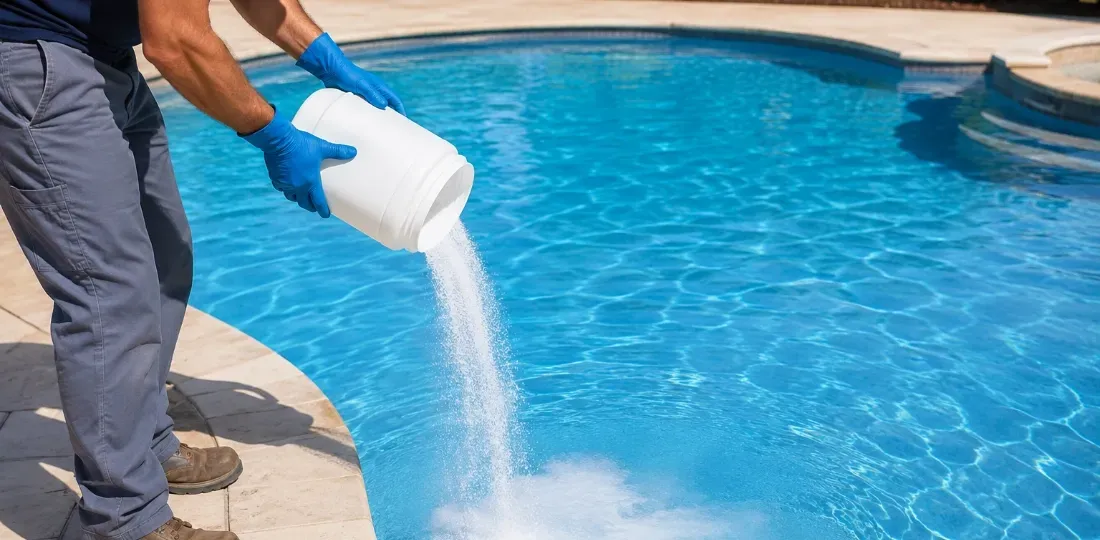
Maintaining proper water chemistry has traditionally required frequent testing, guesswork, and manual chemical adjustments. Smart chemistry systems remove much of that uncertainty.
How it works
Sensors continuously monitor key water parameters such as:
- pH levels
- Chlorine or sanitizer concentration
- Oxidation-reduction potential (ORP)
- Water temperature
Why it matters
- Prevents algae growth and cloudy water
- Reduces overuse of chemicals
- Improves swimmer comfort
- Protects pool surfaces and equipment from chemical damage
2. Smart Pool Pumps with Adaptive Speed Control
Variable-speed pumps have been around for years, but smart pumps now go further by actively adapting to real-time pool conditions.
What’s new
Modern pumps adjust flow rates based on:
- Filtration needs
- Water feature usage
- Heating demands
- Debris load detected by sensors
Benefits
- Significant energy savings
- Quieter operation
- Reduced wear on plumbing and filters
- Compliance with increasingly strict energy codes
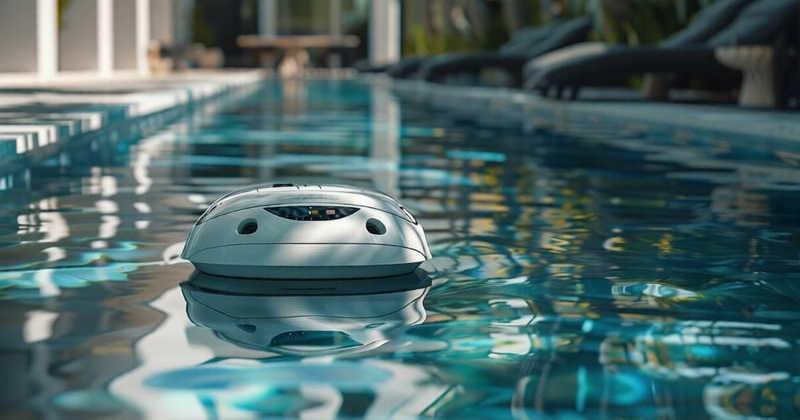
3. Robotic Cleaners with AI Navigation
Robotic pool cleaners in 2026 are no longer random-path machines. They use artificial intelligence, mapping, and obstacle recognition to clean pools efficiently.
Key advancements
- Digital mapping of pool shape and depth
- Intelligent route planning to avoid missed areas
- Sensors to detect walls, steps, drains, and obstacles
- Self-adjusting suction and brush speed
Why it’s a game changer
- Faster and more thorough cleaning
- Reduced electricity usage
- Minimal supervision required
- Less strain on the pool’s main filtration system
4. App-Based Centralized Pool Control Systems
Pool owners no longer need multiple remotes or control panels. Centralized automation platforms now manage everything from a smartphone or tablet.
What can be controlled
- Pumps and filtration cycles
- Heaters and heat pumps
- Pool and landscape lighting
- Water features (jets, fountains, waterfalls)
- Chemical automation systems
Practical advantages
- Real-time alerts for issues or maintenance needs
- Remote access while traveling
- Custom schedules based on usage patterns
- Easy seasonal adjustments
5. Predictive Maintenance and Equipment Health Monitoring
One of the biggest advancements in 2026 is predictive maintenance—technology that identifies problems before they cause breakdowns.
How it works
Sensors track:
- Motor performance
- Pressure changes
- Flow irregularities
- Temperature anomalies
Using historical data and algorithms, the system flags early warning signs such as:
- A pump motor nearing failure
- A filter approaching clogging
- A heater operating inefficiently
Why this matters
- Reduces emergency repairs
- Prevents costly equipment damage
- Extends system lifespan
- Minimizes downtime during peak swim season
6. Automated Pool Covers and Safety Integration
Pool covers have evolved from manual safety accessories into fully automated systems with smart controls.
Modern features
- One-touch open and close via app
- Automatic closing during extreme weather
- Integration with temperature and evaporation sensors
- Safety locks and alerts
Benefits
- Improved safety for children and pets
- Reduced heat loss and evaporation
- Lower chemical consumption
- Cleaner water with less debris
7. Smart Heating and Climate Optimization
Heating a pool efficiently has always been a challenge, especially in variable climates. Smart heating systems now manage temperature with precision.
What’s improved
- Integration with weather forecasts
- Adaptive heating schedules based on usage
- Compatibility with solar heating systems
- Energy optimization to reduce peak-load usage
Why homeowners care
- Faster heat-up times
- Lower energy costs
- Consistent comfort
- Extended swimming seasons without excessive expense
8. Smart Water Level Management and Leak Detection
Water loss is one of the most overlooked pool maintenance issues. In 2026, automation helps address it proactively.
System capabilities
- Automatic water level sensors
- Auto-fill valves that maintain optimal levels
- Leak detection alerts when water loss exceeds normal evaporation
- Shutoff features to prevent damage
Advantages
- Prevents pump damage due to low water
- Reduces water waste
- Identifies underground leaks early
- Protects surrounding structures and landscaping
9. Energy and Usage Analytics Dashboards
Data-driven pool management is becoming the standard. Smart systems now provide detailed insights into how a pool operates.
What homeowners can see
- Energy consumption by component
- Chemical usage trends
- Cleaning and filtration efficiency
- Seasonal performance comparisons
Why it’s valuable
- Helps optimize settings for efficiency
- Identifies opportunities to upgrade equipment
- Supports sustainable water and energy use
- Makes maintenance decisions more informed
Automation vs Traditional Pool Systems: Key Differences
Traditional pool systems rely on routine manual checks, fixed schedules, and reactive maintenance, so problems are often noticed only after water quality slips or equipment performance drops.
Smart pool automation uses real-time data and system feedback to adjust cleaning, filtration, and chemistry automatically, which reduces guesswork and improves efficiency.
This upgrade also aligns with a broader shift toward lower-energy maintenance since industry research notes that
automatic pool cleaners use less power than other cleaning methods, increasing adoption among eco-conscious consumers.
| Feature | Traditional Pool Systems | Smart Pool Automation |
|---|---|---|
| Maintenance Approach | Manual testing and adjustments | Automated monitoring and dosing |
| Equipment Operation | Fixed schedules and single-speed use | Adaptive operation based on real-time data |
| Energy Efficiency | Higher energy and water consumption | Optimized energy and water usage |
| Issue Detection | Problems noticed after failure | Early alerts and predictive maintenance |
| Cleaning Process | Manual or random-pattern cleaners | Intelligent robotic cleaning |
| User Control | On-site controls only | Remote app-based management |
What to Look for When Choosing a Smart Pool System
Choosing the right smart pool system in 2026 requires more than picking the latest technology. The best systems balance performance, ease of use, and long-term dependability. Understanding a few key factors helps ensure pool automation delivers consistent value instead of added complexity.
System Compatibility
Smart pool automation works best when all components communicate smoothly. Pumps, heaters, sensors, and cleaners should operate under a unified control platform. Strong compatibility reduces system errors and simplifies future upgrades.
Scalability and Upgrade Options
A smart pool system should grow with changing needs and advancing technology. Scalable platforms allow homeowners to add features like advanced sensors or energy analytics later. This protects the investment and keeps automation relevant over time.
App Usability and Control Features
The control app should be intuitive and easy to navigate. Clear dashboards, remote access, and simple scheduling make daily pool management more efficient. Poor app design can limit the benefits of even advanced automation.
Service Support and Warranty Coverage
Smart pool systems require ongoing support for updates and maintenance. Reliable service options and clear warranty terms are essential for long-term performance. Strong support ensures issues are resolved quickly and correctly.
Long-Term Reliability and Build Quality
Automation equipment should be designed for continuous outdoor use. High-quality components reduce failures and extend system life. Reliable smart pool technology lowers maintenance costs and improves consistency over time.
Professional Installation vs DIY Automation Setups
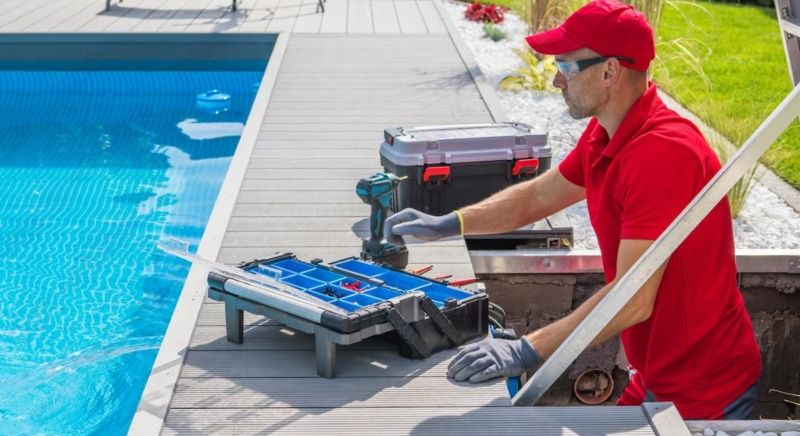
Smart pool automation can be installed professionally or set up as a DIY project, but the results can vary significantly. The choice affects system performance, reliability, and long-term maintenance.
| Feature | Professional Installation | DIY Automation Setup |
|---|---|---|
| System Design | Customized to pool size, usage, and climate | Limited to preconfigured settings |
| Component Compatibility | Carefully selected for full integration | Risk of mismatched or unsupported devices |
| Installation Quality | Proper plumbing and electrical planning | Higher chance of setup errors |
| Performance Reliability | Consistent and optimized operation | May experience glitches or inefficiencies |
| Warranty and Support | Backed by service and manufacturer warranties | Limited or voided warranties |
| Long-Term Maintenance | Easier servicing and upgrades | More troubleshooting over time |
Frequently Asked Questions
Are pool automation systems worth it?
Yes, pool automation systems are worth it for homeowners who want easier maintenance, better water quality, and improved energy efficiency. Smart pool automation reduces manual work by managing filtration, chemical balance, and cleaning automatically. Over time, this helps prevent costly mistakes and equipment wear.
What are common pool maintenance mistakes?
Common pool maintenance mistakes include inconsistent water testing, improper chemical dosing, and running equipment on inefficient schedules. Ignoring early signs of leaks or equipment strain is another frequent issue. Smart pool automation helps reduce these errors by monitoring conditions in real time.
What is the most important step in daily pool maintenance?
The most important step in daily pool maintenance is maintaining proper water balance. Consistent sanitizer and pH levels protect swimmers and pool equipment. Automated pool systems help manage this continuously without relying on manual testing.
How much does it cost to automate your pool?
The cost to automate your pool depends on the system features, pool size, and existing equipment. Smart pool automation can range from basic control upgrades to full system integration. For accurate and up-to-date pricing, contact reputable service providers like experienced pool construction and automation professionals.
Can you add pool automation to an existing pool?
Yes, pool automation can often be added to an existing pool. Many smart pool systems are designed to retrofit with current pumps, heaters, and lighting. A professional assessment helps determine compatibility and the best automation options for the setup.
Plan a Reliable Pool Construction Project with Experienced Professionals
A well-built pool starts with proper design, quality materials, and skilled construction. FJV Construction delivers professional pool construction and installation services focused on durability, functionality, and long-term value. Serving homeowners in Danbury, CT, each project is approached with attention to detail and proven building practices.
Contact FJV Construction today to discuss pool construction options and schedule a consultation.