
Pool Coping: Materials, Styles and Costs
What’s In This Guide
- What Is Pool Coping and What Does It Do?
- Which Pool Coping Materials Hold Up Best?
- Which Pool Coping Styles Work Best?
- How Does Connecticut Freeze-Thaw Affect Pool Coping?
- When Should You Replace Pool Coping During a Renovation?
- How Much Does Pool Coping Cost?
- What Should You Look for in a Connecticut Coping Contractor?
- Frequently Asked Questions
- Plan Your Pool Coping With a Local Masonry Team
Pool coping is the finished cap along the edge of your pool, and it does more work than most homeowners expect. It defines the waterline, gives swimmers something to grip, and sheds water away from the pool shell. In Connecticut, where winter frost reaches deep into the ground, the material and the installation behind your coping matter as much as the color.
This guide covers pool coping materials, popular styles, and the factors that shape an estimate. It also explains what Fairfield and Litchfield County winters do to masonry and when replacement makes sense during a renovation.
Quick Facts
- Coping caps the pool edge and sheds water off the shell.
- Stone, poured, precast, and brick each trade cost for look.
- Bullnose feels soft; cantilever reads clean and modern.
- Connecticut freeze-thaw punishes unsealed, poorly set coping.
- Costs are estimates shaped by material, scope, and site.
What Is Pool Coping and What Does It Do?
Coping sits on top of the pool wall, so it is the part of the pool you touch, sit on, and step over most often. It caps the pool edge or shell wall, and common options include poured-in-place concrete, precast concrete, tile, and natural stone.
A well-built edge does four jobs:
- Finishes the edge: It covers the top of the shell and gives the pool a clean visual border.
- Directs water: Splash and rain run off the pool and away from the structure.
- Supports the transition: It connects the water to the deck at a comfortable, usable height.
- Protects the structure: It shields the top of the wall from weather and daily wear.
Which Pool Coping Materials Hold Up Best?
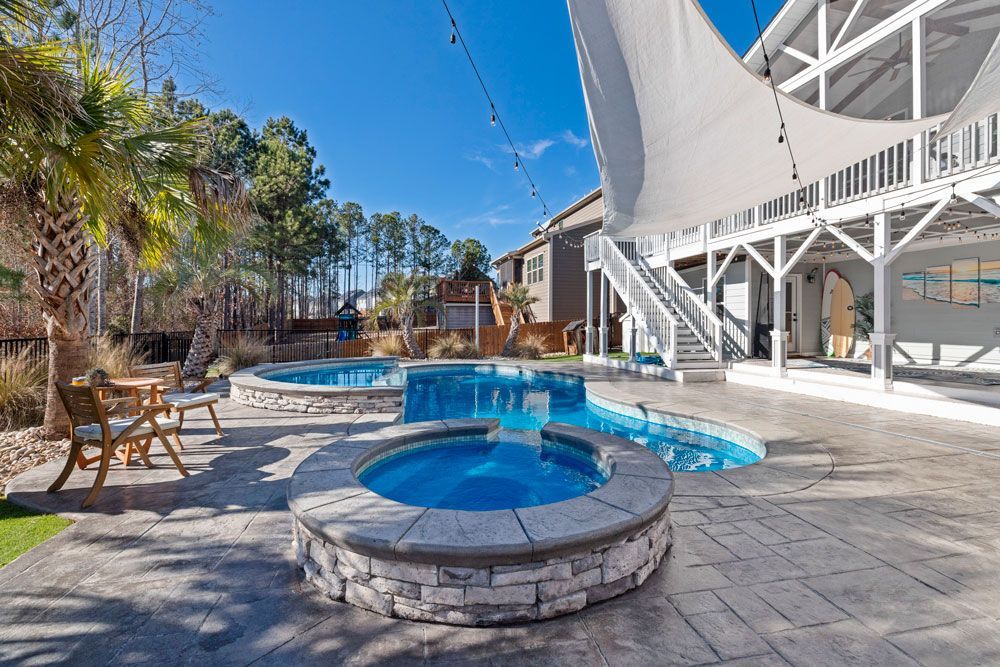
No single material wins every project. The right pick depends on your pool type, your budget, and how much winter exposure the edge will take.
Natural Stone and Bluestone Coping
Natural stone is the premium look. Bluestone coping is a long-time favorite across the Northeast. This dense sandstone has cool gray-blue tones and is usually cut with a thermal (flamed) surface for texture. Granite, limestone, and travertine are also common choices.
Stone varies a lot in porosity, so ask for the water absorption data on any stone you are considering. Lower absorption generally means better resistance to freezing and staining.
Poured Concrete Coping
Poured coping is formed on site, which allows custom shapes and a continuous look. Landscape designers often prefer it when the coping and deck should read as one surface. Pool contractors may also build it in separate pours to allow for natural settling over time. Joint planning is part of the design, not an afterthought.
Precast Concrete Coping
Precast units are cast in a factory, so size and finish stay consistent from piece to piece. They come in a wide range of textures and colors, and they often cost less than poured concrete or natural stone. Because the coping is made of individual units, the joints between them need periodic inspection and upkeep.
Brick and Paver Coping
Brick suits traditional homes and pairs well with masonry walls and patios. Rough-cut brick edges can be uncomfortable, and Pool Research advises against rough-cut coping where swimmers enter the water. Rounded or bullnose brick units are the better choice for entry points.
Pool Coping Materials Compared
| Material | Best For | Watch For | Relative Estimate* |
|---|---|---|---|
| Natural stone (bluestone, granite) | Classic or high-end design | Porosity, sealing, surface heat | $ to $$ |
| Poured concrete | Custom shapes, continuous look | Joint layout, settling | to $ |
| Precast concrete | Uniform look, tighter budgets | Joint upkeep | $ to $$ |
| Brick or pavers | Traditional masonry settings | Rough edges, mortar joints | to $ |
*Relative tiers for comparison only, not quotes. Actual estimates depend on the factors covered below.
Which Pool Coping Styles Work Best?
Style describes the shape of the edge, and it changes how the pool looks and feels. Material and style are separate decisions, so you can often mix them.
Bullnose Coping
Bullnose coping has a rounded front edge. It feels comfortable under the hand and foot, which is why it is popular around steps, swim-out areas, and family pools. It works in stone, brick, and precast, and it gives a traditional look that suits many Connecticut homes.
Cantilever Coping
Cantilever coping is poured concrete that extends slightly past the pool wall, so it appears to hang over the water. The result is a crisp, modern line. The overhang is usually short enough that it holds up well, and a crack is generally a manageable repair. Reinforcement and joint placement should come from an experienced masonry crew.
Top-Mount and Square-Edge Coping
Top-mount coping, sometimes called C-channel, uses a curved aluminum edge and is common on vinyl liner pools. Square-edge stone offers a tailored, contemporary profile for gunite pools with clean lines. Pool type drives these choices, which is why choosing among pool types for Brookfield backyards often comes first.
Pool Coping Ideas for Connecticut Backyards
- Soften a freeform pool: Pair gentle curves with bullnose stone.
- Echo your masonry: Choose a coping tone that picks up nearby retaining walls or a stone waterfall.
- Go modern: Use cantilever concrete with a neutral deck for a minimal look.
- Plan for entry zones:
Use rounded edges where people climb in and out.
How Does Connecticut Freeze-Thaw Affect Pool Coping?
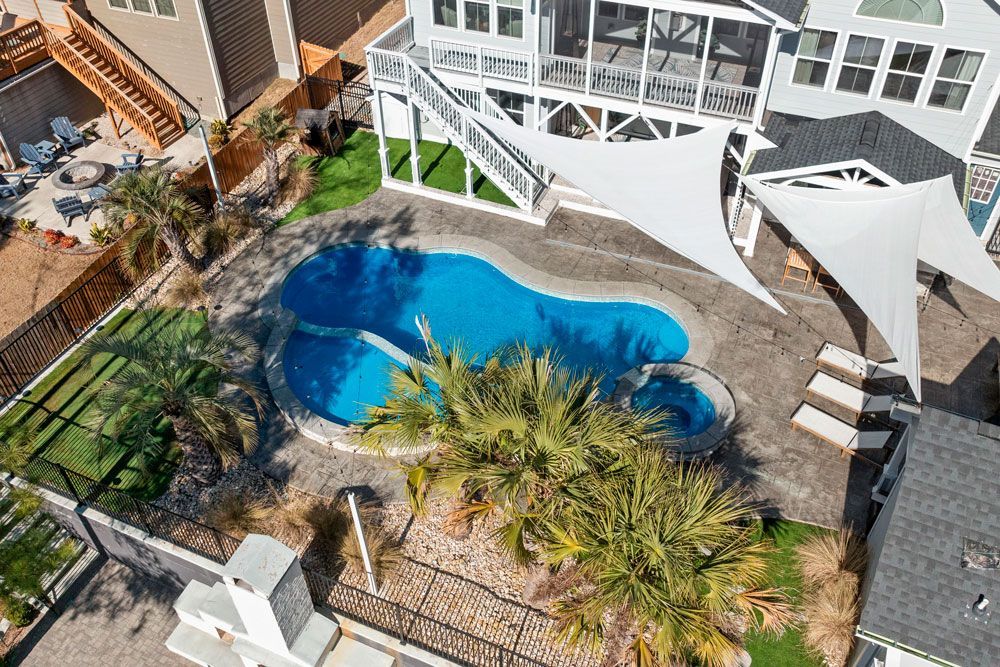
Water finds its way into pores, hairline cracks, and joints. When it freezes, it expands and pries the material apart. Repeat that through a New England winter and you get flaking surfaces, open joints, and loose pieces.
Frost depth in Connecticut shows how serious the cycle is. The state's building code interpretations treat
42 inches as the frost depth for footings, which is deep by national standards.
De-icing products add another layer of risk. Salt can damage stone through recrystallization inside the material itself, so keep rock salt away from coping and use a stone-safe product if you must treat nearby walkways.
Masonry crews typically reduce freeze-thaw risk with these practices:
- Choose low-absorption materials suited to a freezing climate.
- Seal porous surfaces with a product matched to the stone or concrete.
- Set the coping on a sound, properly prepared base rather than a weak or damaged one.
- Slope the surrounding surface so water does not pond at the edge.
- Use flexible joints where materials meet and move at different rates.
Property-specific conditions, like drainage and soil, change the right approach, so an on-site look is always worth it.
When Should You Replace Pool Coping During a Renovation?
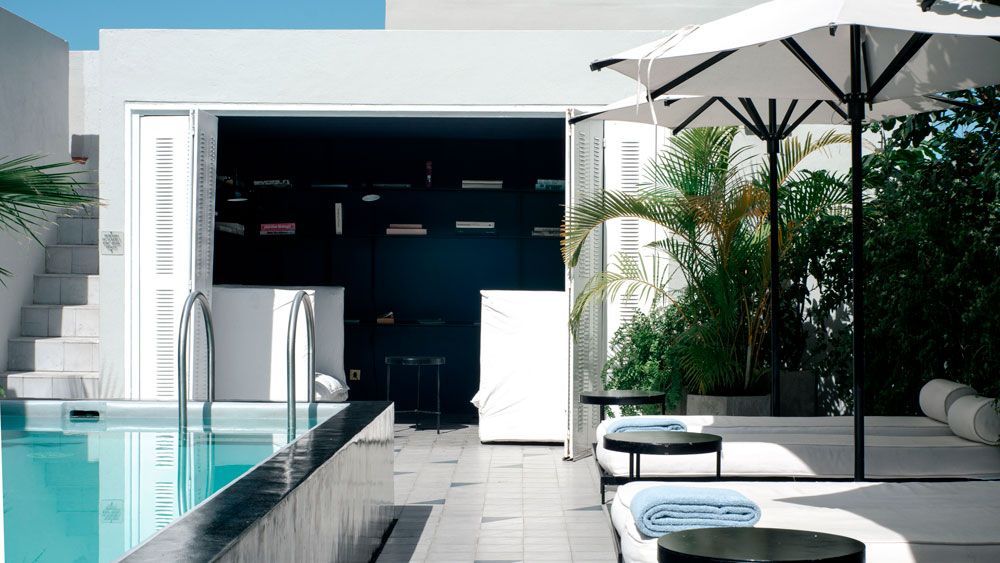
Coping replacement is one of the smartest add-ons to a pool renovation, because the edge is already exposed. Retiling, relining, resurfacing, or rebuilding the deck all open the area where coping sits. Fixing it then avoids paying for the same access twice.
Look for these warning signs:
- Pieces that rock, shift, or sound hollow when tapped
- Cracks that run through the unit, not just the grout
- Flaking, pitting, or crumbling surfaces after winter
- Open or missing joints, and stains running down the pool wall
- Rough or sharp edges where swimmers enter
A typical replacement sequence looks like this (details vary by pool):
- Inspect the base: The crew checks the bond beam and substrate for damage.
- Remove the old coping: Existing units and mortar come off.
- Repair the edge: Any damaged structure is addressed before new material goes on.
- Set the new coping: Units are bedded, leveled, and aligned with the tile line and deck.
- Finish and protect: Joints are filled, the surface is sealed where needed, and the work cures.
Local requirements vary by town and scope, so confirm what applies with your building department before work begins, including
closing out a Danbury pool permit step by step for Danbury projects. Homeowners resurfacing the pool anyway can compare
pool resurfacing cost for plaster, quartz, and pebble finishes while the crew is already on site.
How Much Does Pool Coping Cost?
Coping costs are best understood as estimates, not fixed prices. For a typical residential pool, a project may range from $ to $$$, with the spread driven by the choices below. Two similar-looking pools can land at very different numbers.
What shapes your estimate:
- Material: Precast, poured, brick, and natural stone sit at different tiers.
- Style: Custom cantilever work and special profiles take more labor.
- Pool size and shape: More linear feet and tighter curves add time and cutting.
- Removal: Tearing out old coping and repairing the base adds scope.
- Site access: Tight yards and difficult equipment access affect labor.
- Timing: Schedule, season, and urgency can influence the estimate.
The fastest way to get a real number is a site visit, because condition and access are hard to judge from photos.
What Should You Look for in a Connecticut Coping Contractor?
Coping touches masonry, structure, and drainage, so the contractor’s background matters. Connecticut’s Department of Consumer Protection requires home improvement contractors to register when working with consumers on residential property. Its swimming pool licensing page also lists home improvement contractor registration among the requirements for pool licensing. Before you sign anything, check these four areas.
Verify Credentials
Confirm registration or licensing through the state before work begins. A contractor who is properly registered should have no trouble sharing their credentials.
Ask for Masonry Examples
Look at finished stone, concrete, or brick edges. Completed coping projects show you how the crew handles joints, alignment, and finish quality.
Request a Written Scope
The scope should name materials, removal, base repair, and sealing. If the edge work touches pool bonding or electrical components, it should also say who handles that, in line with pool electrical safety requirements for Danbury, CT homeowners. A clear document keeps the estimate and the finished work aligned.
Check Winter Planning
Ask how the contractor handles drainage and freeze-thaw. Their answer shows whether they build coping for Connecticut winters or only for the first season. Ask about scheduling as well, since
finding pool contractors in Bethel, CT and avoiding delays often comes down to planning before the season starts.
Frequently Asked Questions
Does pool coping replacement require draining the pool?
Not always. Crews often lower the water below the work area instead of emptying the pool. Fully draining an inground pool can be risky in some ground conditions, so let a pool contractor advise on the safest approach.
How long does pool coping last?
It depends on the material, the quality of the installation, winter exposure, and upkeep. Well-built bluestone coping or precast units that are inspected and sealed as needed can last for many years. A contractor can give a realistic expectation for your material and site.
Can new pool coping go over the existing coping?
Usually the old coping comes off first so the base can be inspected and repaired. Layering new units on top can change the edge height and affect drainage. A contractor can tell you if your existing edge is sound enough to build on.
How long does a pool coping project take?
Timing varies with pool size, material, weather, and curing time. Custom stone cutting or cantilever work generally takes longer than setting precast units. Your contractor can map out a schedule once they see the scope and your preferred pool coping ideas.
Does pool coping work with an automatic pool cover?
Often yes, but the edge profile and base need to suit the cover’s track or hardware. Bullnose and cantilever coping can both be planned around a cover. Share your cover plans early so the design accounts for them.
Plan Your Pool Coping With a Local Masonry Team
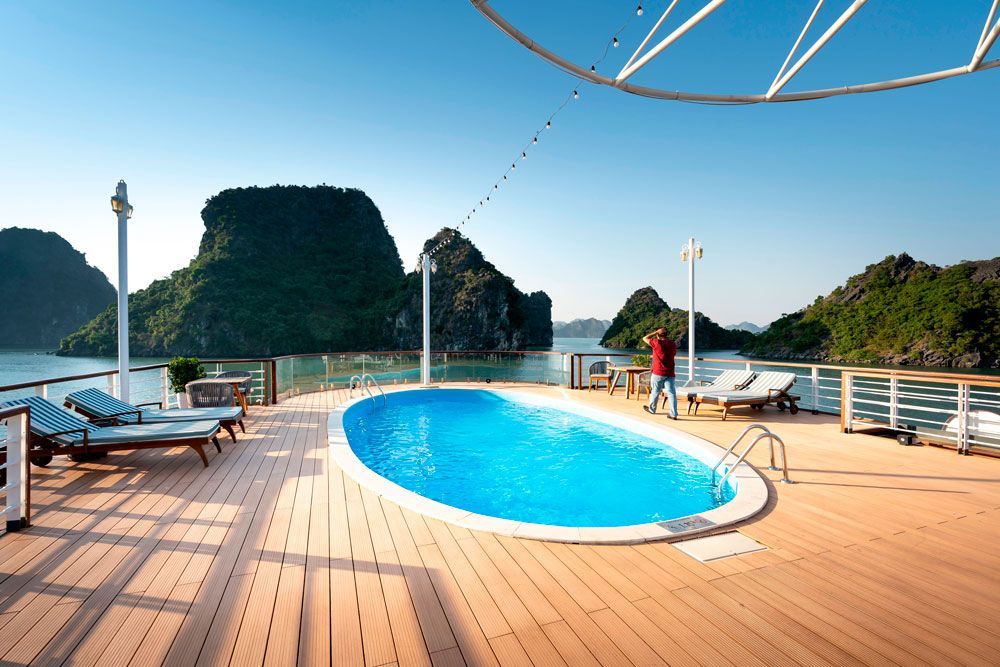
Choosing coping is easier with someone who builds pools, works in stone, and understands Connecticut winters. Our team handles pool construction, masonry, excavation, and waterfalls for homeowners in Bethel, Danbury, Brookfield, and nearby towns.
Share your project, and we will walk you through materials, styles, and a clear estimate for your site.
Related posts: